Buying new in Thailand is the easiest purchase in this section and the most expensive: the dealer does the first registration, the plates, the compulsory insurance and the first year's road tax, and hands you a vehicle with nothing outstanding. What you pay for that is a purchase price inflated by the tax stack Thailand puts on vehicles, and a depreciation curve that takes a serious bite in the first two or three years.
There is no legal obstacle to a foreigner buying new. A dealer will sell you a car or a bike on the same terms as anyone else, and the registration goes into your name provided you can prove where you live. Finance is where the difference bites, and that is a separate article.
- Who registers itThe dealer, as part of the sale
- First annual test dueNot until the car is over 7 years old (bike: over 5)
- Registration book colourBlue for a car, green for a motorbike
- Buying outrightStraightforward; finance is the hard part
Why new vehicles cost what they do here
Thailand builds cars in volume and protects that industry through the tax system. Motor vehicles, vehicle parts and motorcycles sit at the top of the country's tariff range, and on top of any import duty an excise tax applies — up to 40% ad valorem on motor vehicles and up to 20% on motorcycles — followed by an interior tax and then VAT at 7% on the accumulated total. The effect is that a locally assembled, high-volume model is competitively priced while an imported or niche one is not.
That is the single most useful thing to know before you walk onto a forecourt: the mainstream models built in Thailand are good value, and the further you move from that centre, the more of your money goes to the Revenue Department rather than the manufacturer. If you were considering shipping a car in instead, read importing your own car or motorbike first — the tax stack applies there too, and harder.
How the on-the-road price is built up
Thai dealers quote a headline price and then a set of items that turn it into a driveable vehicle. Ask for the breakdown in writing before you agree anything, because the composition varies between dealers even for the same model.
| Item | What it is | Usually included? |
|---|---|---|
| Vehicle price | The advertised figure, inclusive of VAT | Yes |
| First registration and plates | Registering the vehicle with the DLT and issuing plates | Normally handled by the dealer |
| Compulsory insurance (Por Ror Bor) | Statutory third-party cover; required before road tax can be paid | Usually for the first year |
| First year's road tax | Annual vehicle tax, paid a year in advance | Often, but confirm |
| Voluntary insurance | Class 1 comprehensive, commonly bundled or discounted | Sometimes, first year only |
| Accessories | Mats, film, bars, alarms, dashcam, coatings | Negotiable — this is where discounts live |
The negotiation in Thailand is often less about the price and more about what comes with it. Dealers are frequently more willing to add equipment, servicing packages or an extra year of insurance than to cut the headline figure. If you would rather have the cash, say so early and be prepared to be told no.
Take the insurance year, but read the class. A bundled first-year policy is usually worth having, but check whether it is genuinely Class 1 comprehensive or a "plus" class. Classes 2+ and 3+ only cover your own vehicle when another vehicle is involved, and 3+ drops theft and fire entirely — see Thai insurance classes explained.
Waiting times
Popular trims of popular models are usually in stock or available within weeks. Anything with a specific colour and specification combination, anything newly launched, and anything electrified can take considerably longer, and Thai dealers are not always candid about how long. Get the estimated delivery in writing on the order, ask what happens to your deposit if it slips, and treat a verbal "next month" as a hope rather than a commitment.
Prices and incentives also move around the two big motor shows and the year end, when manufacturers push registrations. If your timing is flexible, that is when the packages are most generous.
Buying a new motorbike
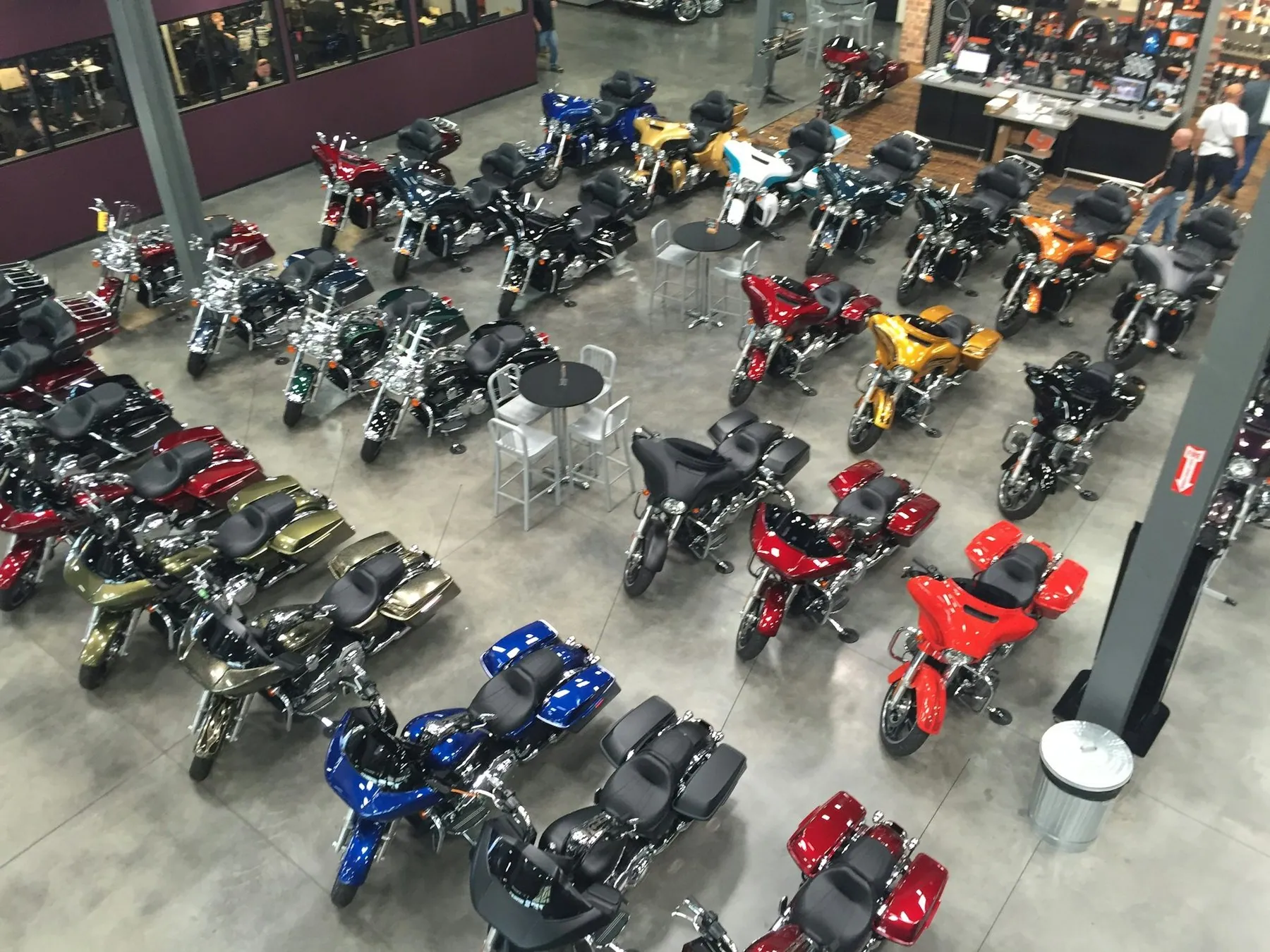
New scooters are a much simpler transaction. Every town has main dealers for the Japanese brands, stock is usually immediate, and the shop handles registration, plates and compulsory insurance as routine. The price gap between a new 110–125cc automatic and a good used one is small enough that a long-stayer who intends to keep the bike for years can reasonably just buy new — you get a warranty, a service schedule and a clean registration history, and there is no book to verify because you are the first entry in it.
The one thing to settle before you sign is the licence question, which is separate from the purchase. Thailand issues motorcycle entitlement separately from car entitlement, and engine size does not create an exemption. See the Thai motorbike licence and engine sizes.
Registration and the plate
The dealer registers the vehicle with the Department of Land Transport in your name and in the province where you live, and the registration book is issued in due course — blue for a car, green for a motorbike. You will typically ride or drive away on temporary red plates while the permanent ones are produced.
Nice numbers are auctioned, and the money goes somewhere
Sought-after registration numbers in Thailand are not allocated by luck. Sections 10/1 and 10/2 of the Motor Vehicle Act B.E. 2522 provide for desirable numbers to be sold by public auction, with the winning bid treated as a special fee that goes to a road-safety fund. If you are offered a "lucky" number, that is the mechanism behind it — and the money is real, not a dealer's markup.
You do not need to worry about the annual roadworthiness test for years: a private car enters the test regime once it is more than seven years old from first registration, and a motorbike at five. The annual inspection explained covers what happens when that day comes.
Foreigners, dealers and the paperwork
A dealer will ask for your passport, your visa, and proof of your address in the district — typically a certificate of residence from Immigration or your embassy, and a yellow house book if you have one. What a particular office will accept varies, and dealers in areas with a lot of foreign residents are used to assembling this and will tell you what they need. Documents you need to register a vehicle in your name covers each one and how to get it, and can a foreigner own a vehicle in Thailand covers the legal position, which is more permissive than the folklore suggests.
Do not let the dealer register the vehicle in someone else's name to make the paperwork easier. It is a common suggestion when a customer's address documents are thin, and it means the registered owner is a person who is not you. That has consequences for insurance, for sale, and for what you actually own — set out in registering a vehicle in someone else's name. If your documents are not ready, wait until they are.
Electric vehicles
Thailand has pushed hard on electric vehicles, and there is a Royal Decree reducing the annual road tax for battery-electric vehicles. The exact terms — the percentage, which registration dates qualify and for how long — are not published in a form we could verify, so this site will not state them. If an EV is on your list, ask the dealer to confirm the current position in writing and check it with the DLT rather than relying on a figure from a forum.
Frequently asked questions
Can a foreigner buy a new car in Thailand?
Yes, outright and in your own name. The Motor Vehicle Act contains no nationality restriction on registering a vehicle. Proving an address in the district is the practical requirement, not your nationality.
Does the dealer do the registration?
Almost always, yes — that is one of the real advantages of buying new. You supply the identity and address documents; they handle the DLT.
Is new worth it over used?
If you are staying for years and want a warranty, no paperwork risk and no inspection for the best part of a decade, new makes sense. If you are staying eighteen months, the first-years depreciation will cost you more than everything a used vehicle can go wrong with. See buy or rent long-term in Thailand.
Can I get finance as a foreigner?
Rarely without a work permit and usually not without a Thai guarantor. Dealers will often say yes before the finance company says no. Read car finance for foreigners in Thailand before you place a deposit.
What is the first year's road tax on a new car?
It depends on the engine size and vehicle type, and it is normally handled by the dealer. This site does not print the per-cc rate bands because the statutory schedule is not published in a form we could verify — ask the dealer for the exact figure and confirm it with the DLT.
Are red plates a problem?
Temporary plates are normal while permanent ones are produced, but they come with restrictions on how and when the vehicle may be used. Ask the dealer to explain the conditions that apply to yours, and get the permanent plates fitted as soon as they are ready.