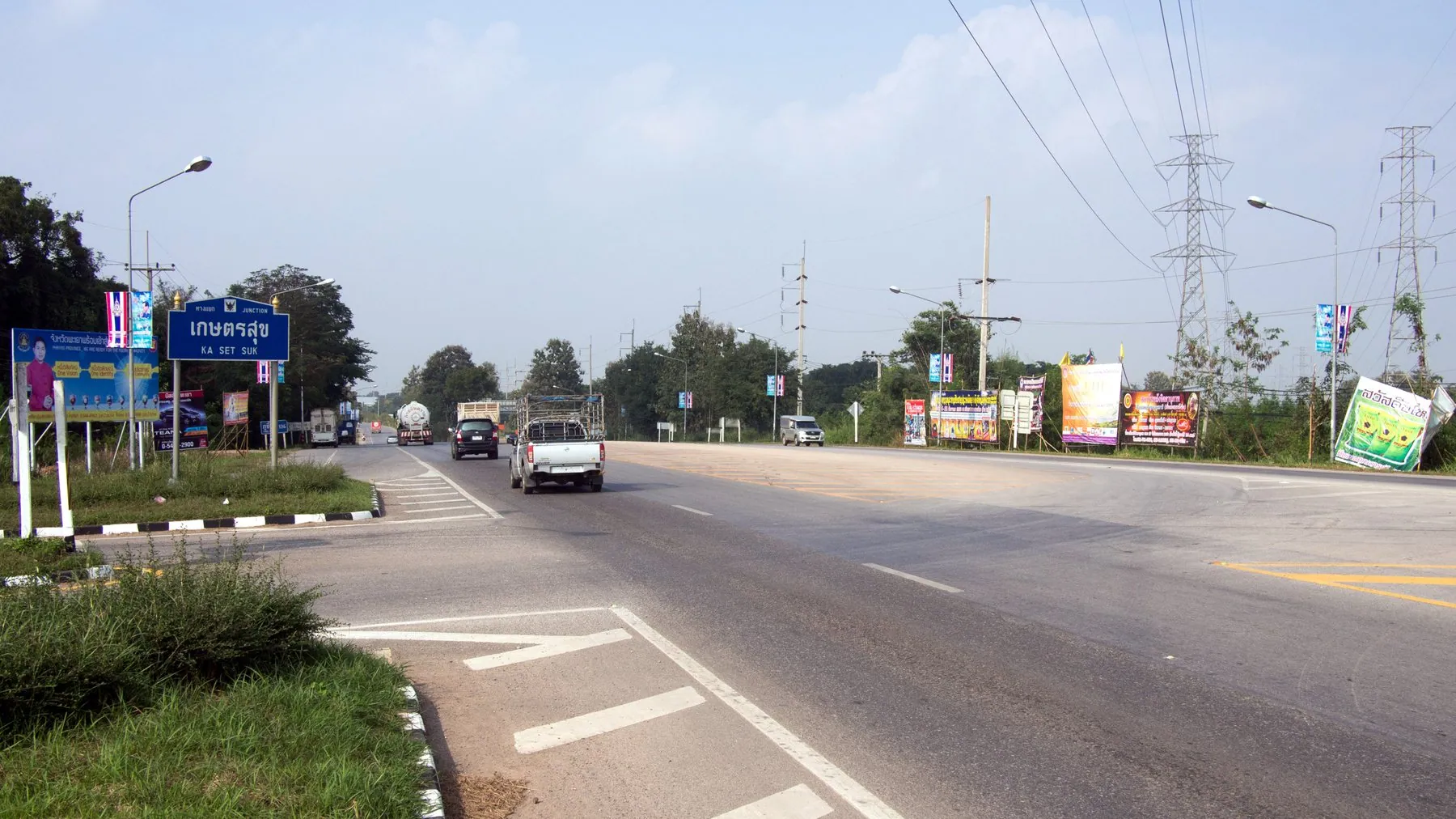
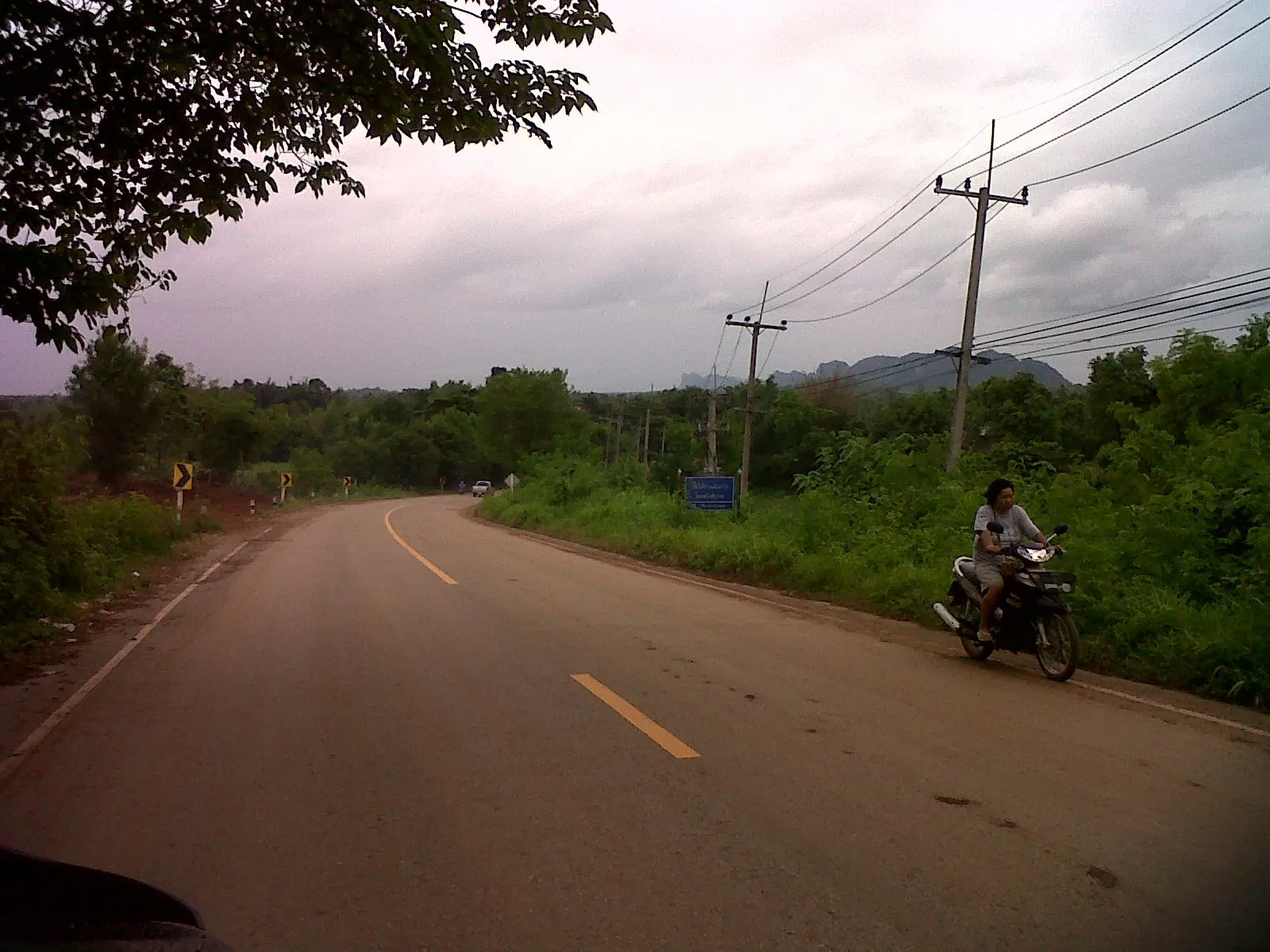
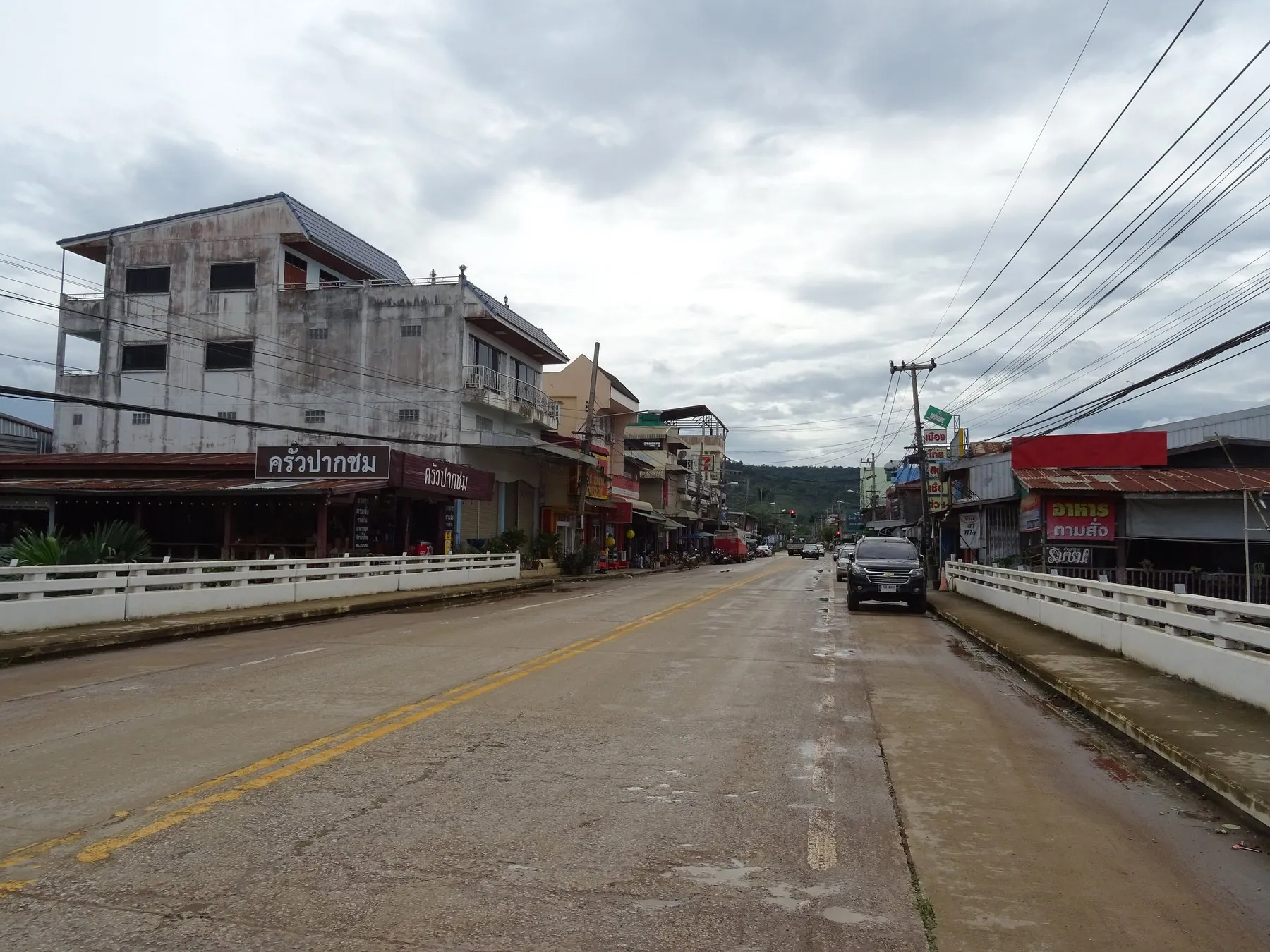
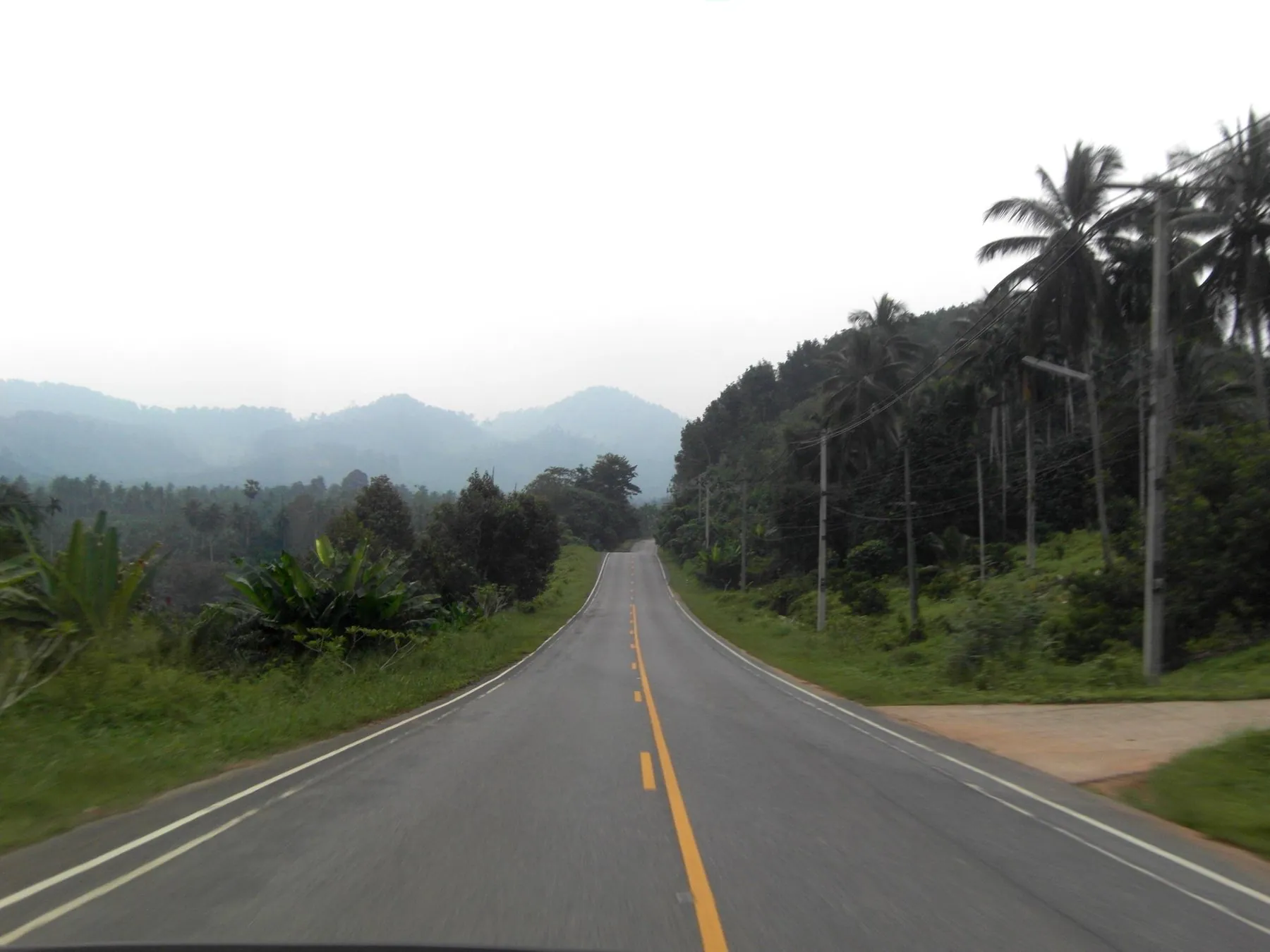
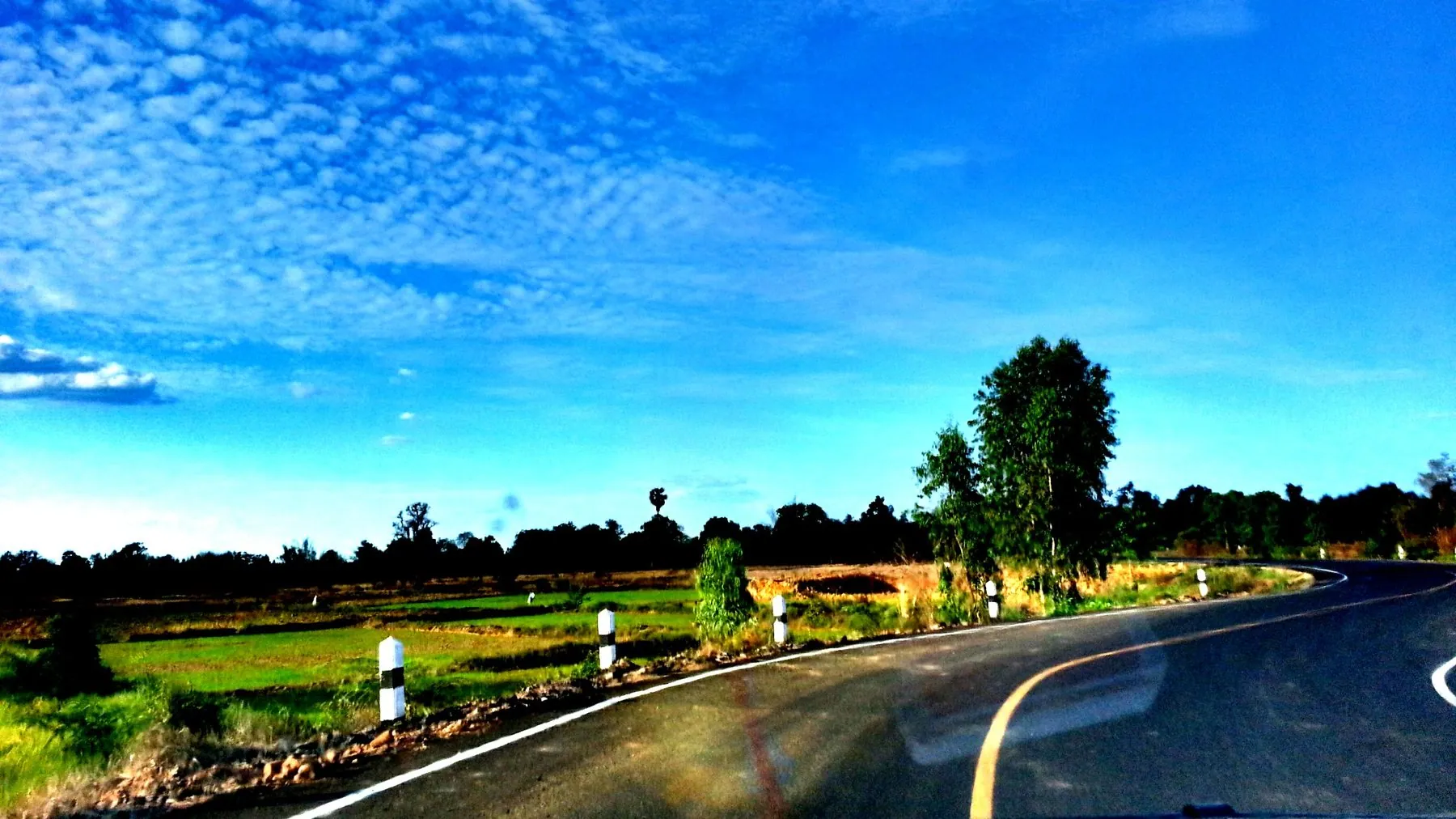
Thailand rewards a driver more than almost anywhere in the region. The trunk roads are good, fuel is cheap, and within an hour of any city the traffic thins into something genuinely pleasurable. The reason to put up with the paperwork, the deposits and the city traffic is on this page: where the driving is worth doing, how long it really takes, and the handful of places — mostly borders — where the answer for a hire car is no.
One decision shapes a first trip more than any other: do not start in Bangkok. Fly to Chiang Mai, Phuket or Krabi, collect the vehicle there, and keep every day's driving under about three hours. That single change removes most of what goes wrong for first-time drivers here.
The north: the best roads in the country
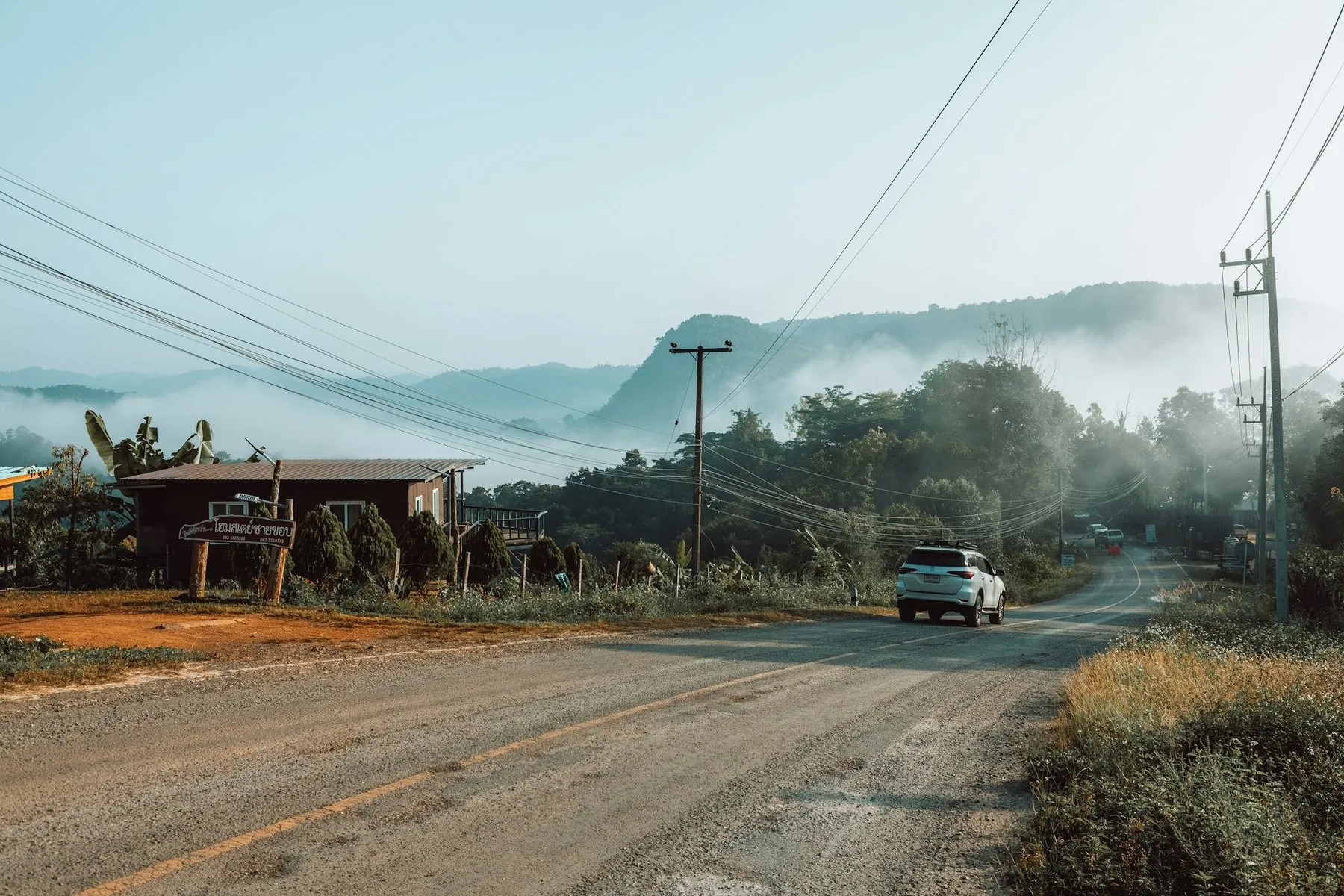
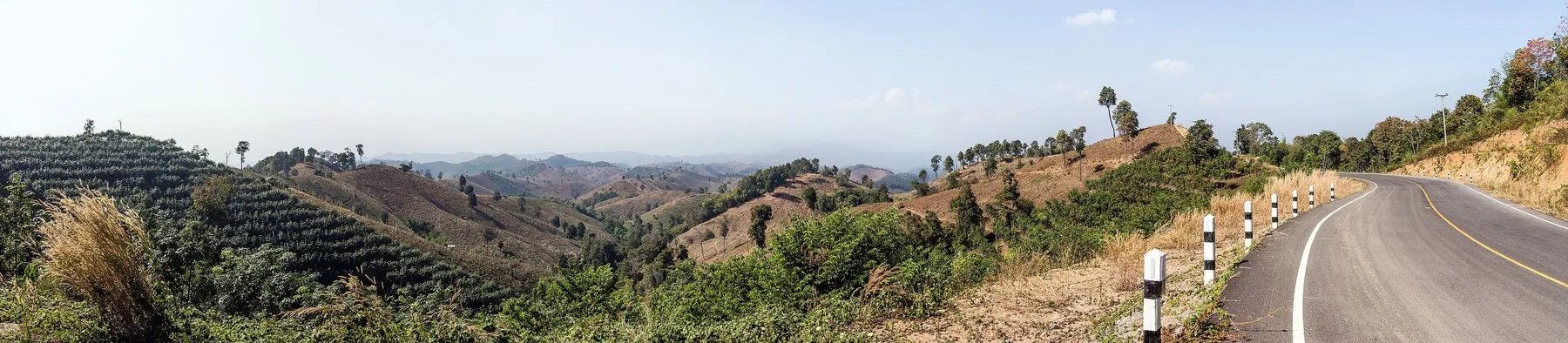
Northern Thailand has the finest driving in Thailand and the least forgiving. Above Lampang the land folds into ridge after ridge, the highways stop being straight, and an hour on the map turns into three on the road. Plan by time, not distance.
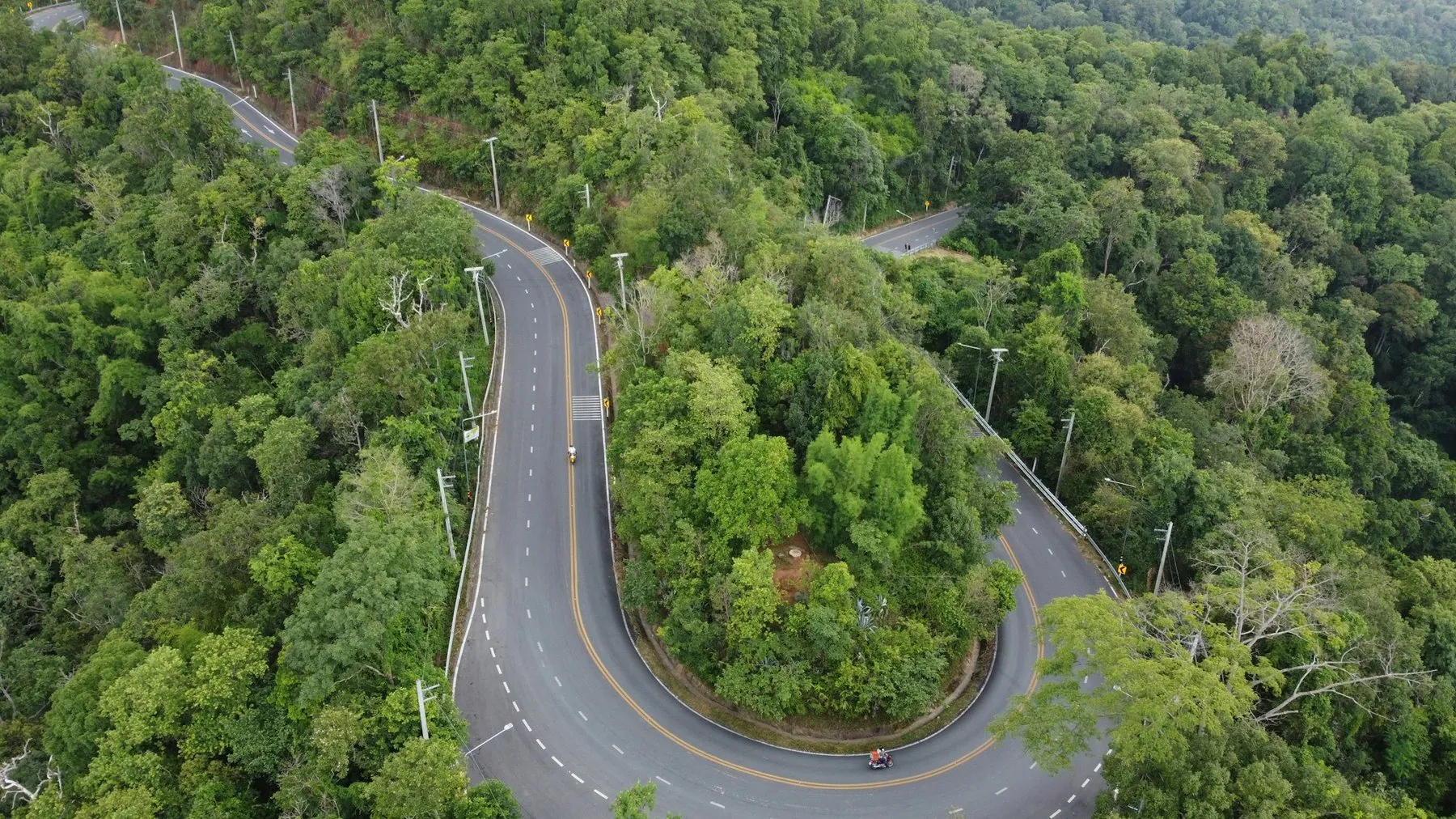
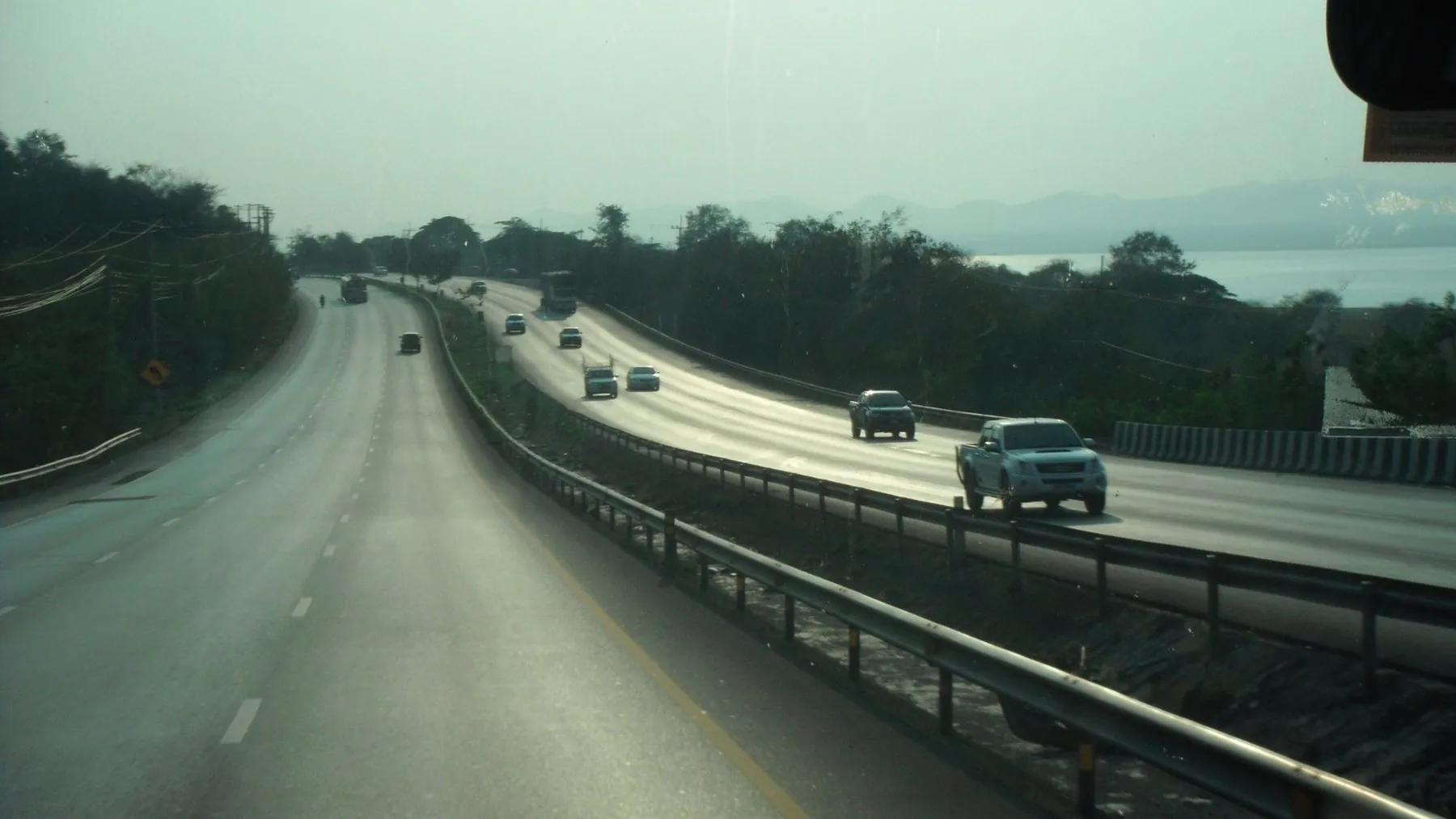
The Mae Hong Son Loop is the famous one: roughly 600 kilometres of mountain road out of Chiang Mai, on just two road numbers for almost its whole length — Route 1095 over the ridge to Pai and Mae Hong Son, and Route 108 back down the far side. If you have less time, Chiang Mai to Pai packs the experience into a single afternoon: about 135 kilometres and three to three and a half hours on a road credited with 762 bends. Less again, and the Samoeng Loop gives you a hundred kilometres of the same country and has you back in the city by dinner.
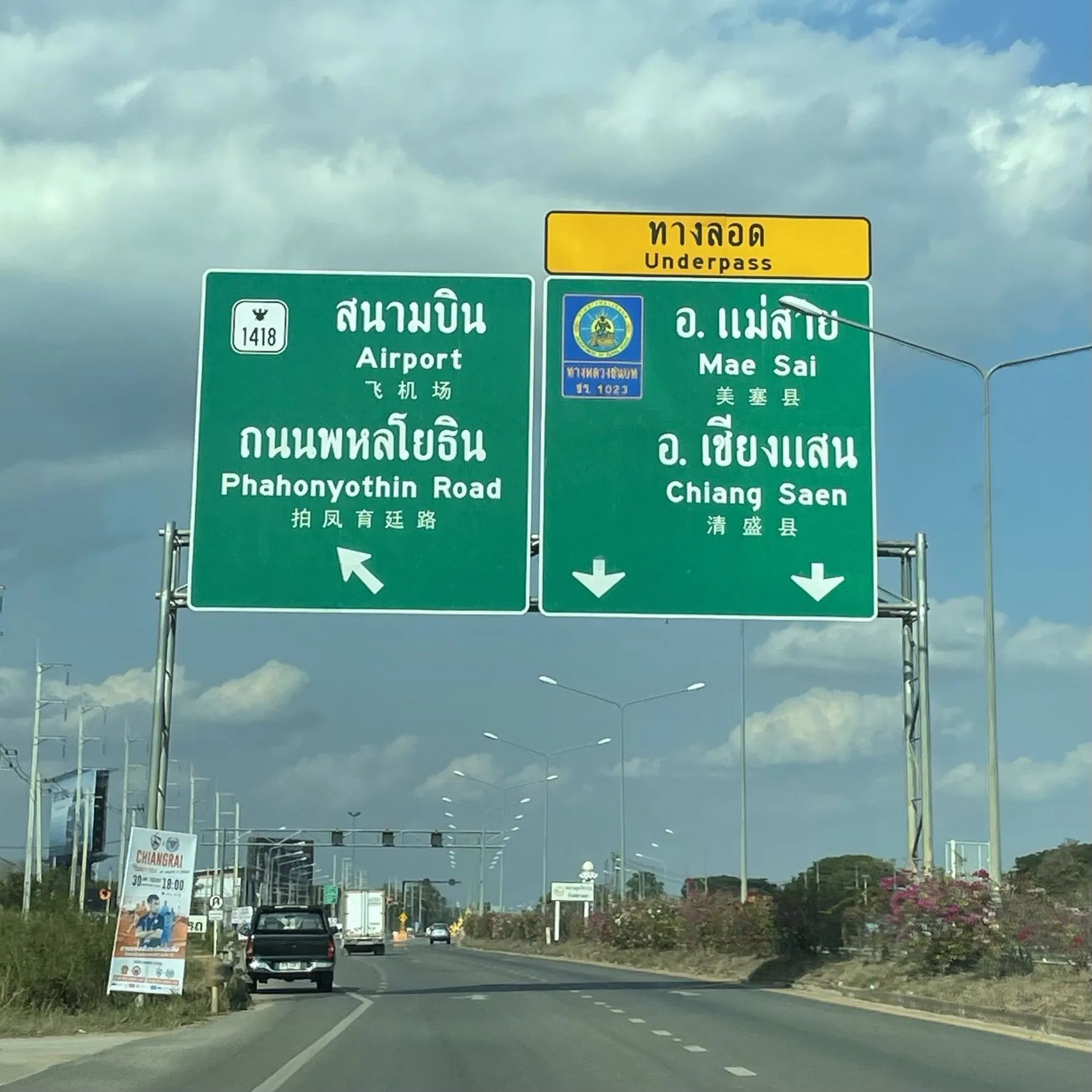
Further out, the Golden Triangle loop from Chiang Rai is around 250 kilometres of tea villages, hill roads and the point where the Mekong divides three countries, and Route 1148 — 91 kilometres of empty ridge between Chiang Kham and Tha Wang Pha — is the drive enthusiasts rate above all the others. Getting between the northern cities is simpler: Chiang Mai to Chiang Rai is about 185 kilometres and three hours on Highway 118.
And if you are driving up from the capital, Bangkok to Chiang Mai is roughly 700 kilometres and eight to ten hours of actual driving. In one day it is a long, hot slog. In two or three, with a night in Sukhothai or Phitsanulok, it is a trip.
Isaan: the easiest driving, and the least visited
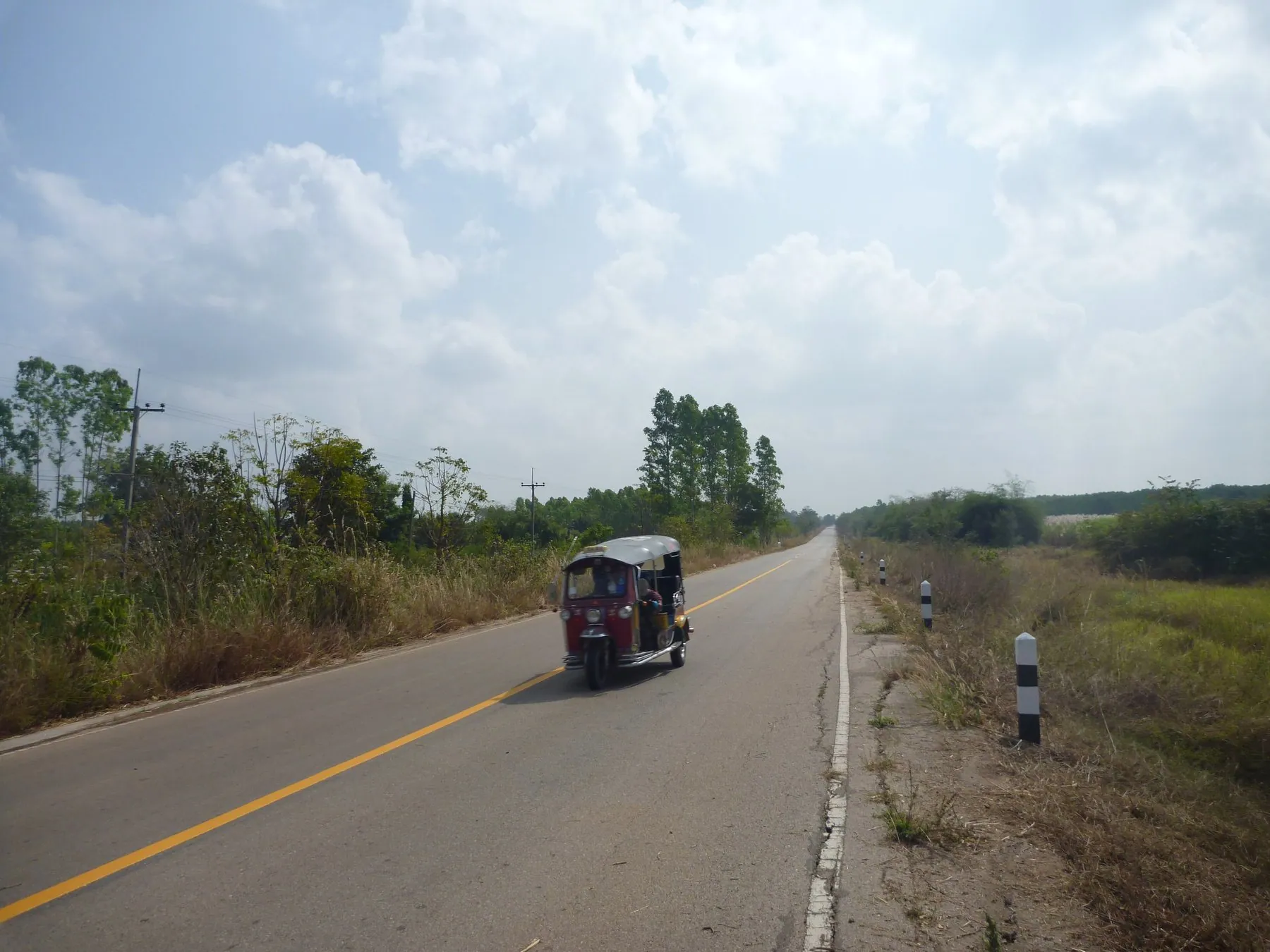
The northeast is a broad plateau with wide, straight highways, thin traffic outside the cities, and almost no hire cars. It is the easiest driving in Thailand. Highway 2, the Mittraphap Road, carries you onto it from Saraburi; the Isaan Loop strings a week of Khmer temples and empty roads into a circuit from Bangkok; and the Mekong river road follows the border for the better part of 700 kilometres, from Chiang Khan round to Mukdahan.
West and south: railway history and two coasts
West of Bangkok, Highway 323 runs about 220 kilometres from Kanchanaburi to Sangkhlaburi, its first stretch shadowing the wartime Thailand–Burma railway. South, Bangkok to Hua Hin is two and a half to three hours down Rama II Road and Highway 4.
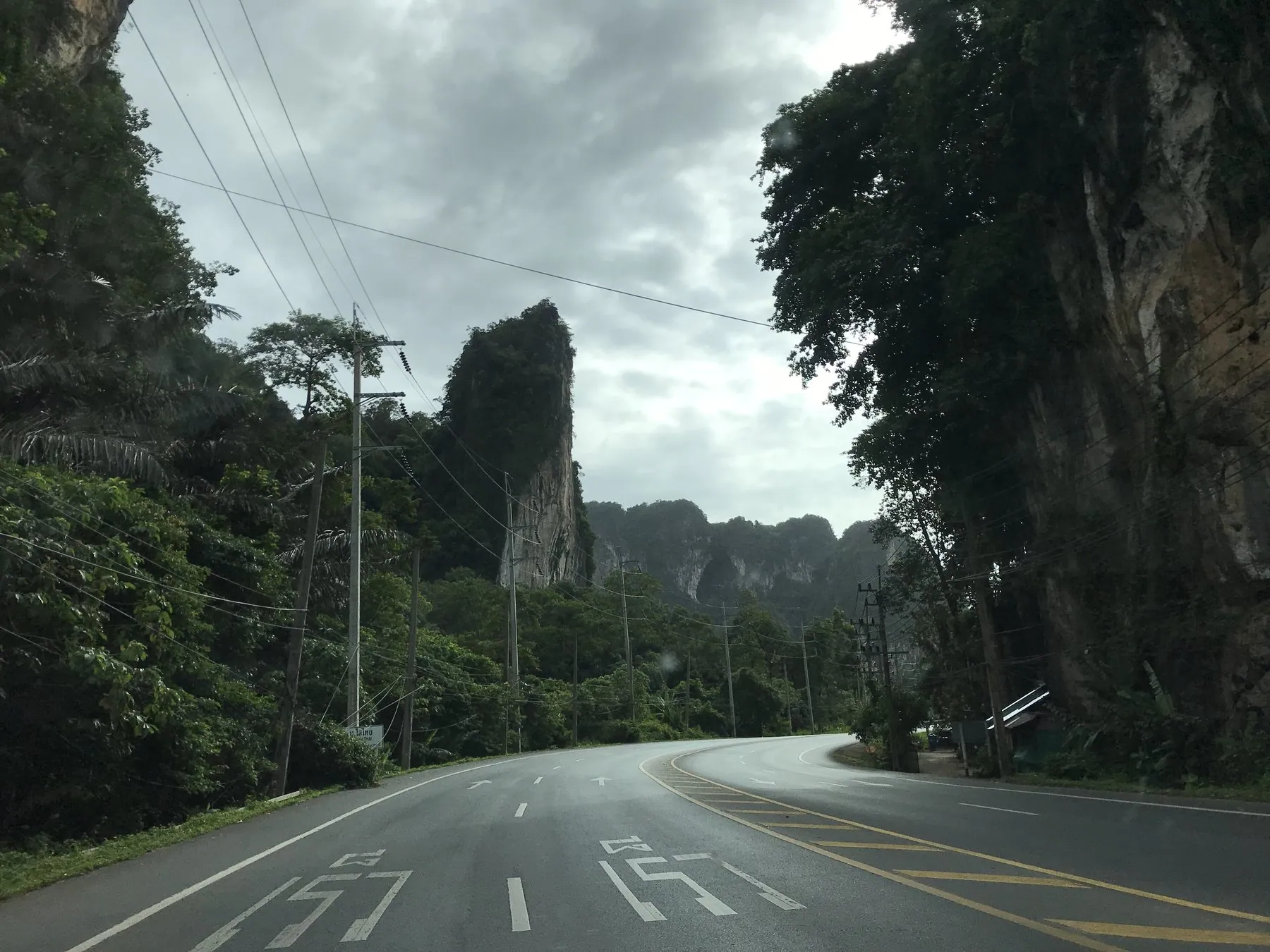
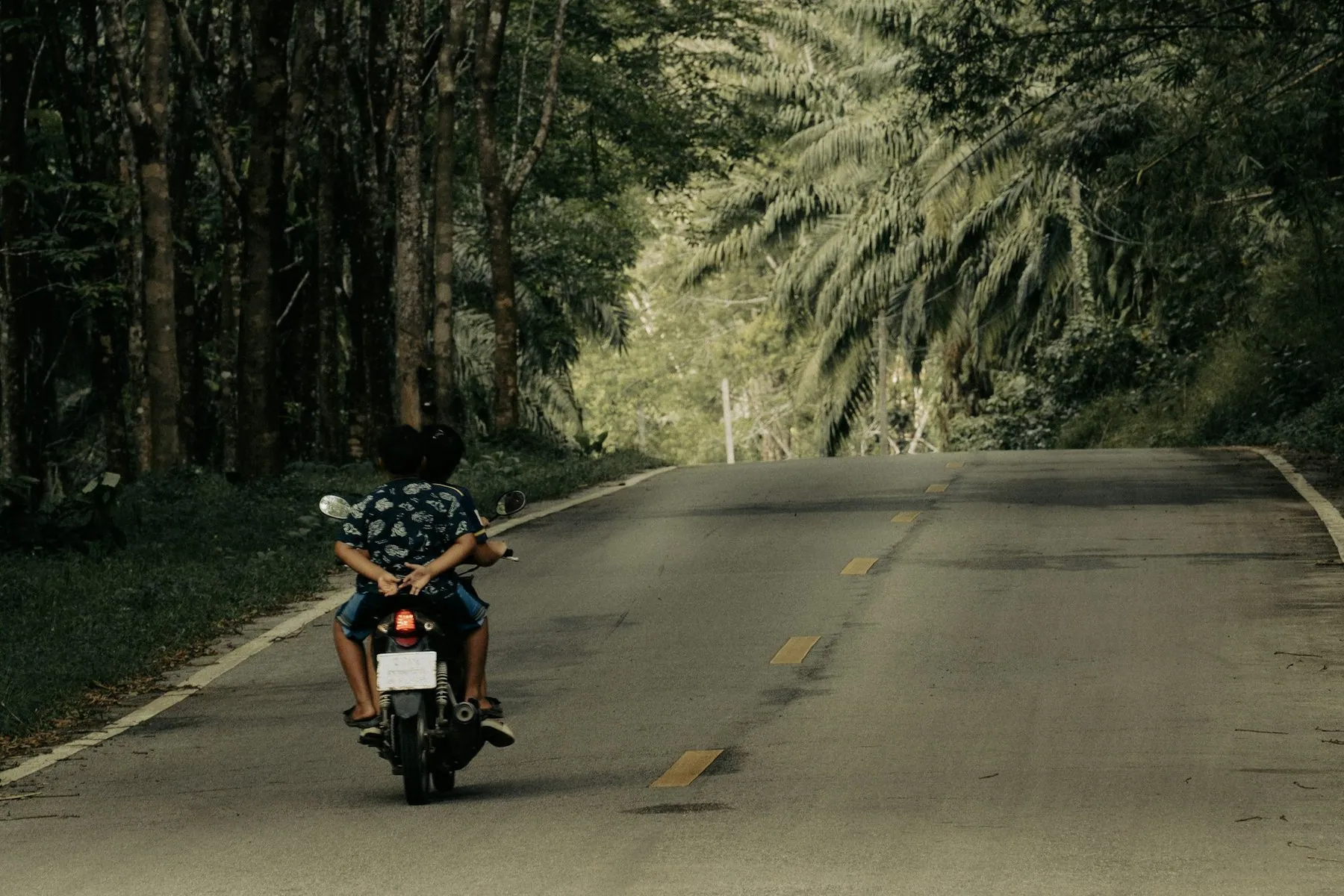
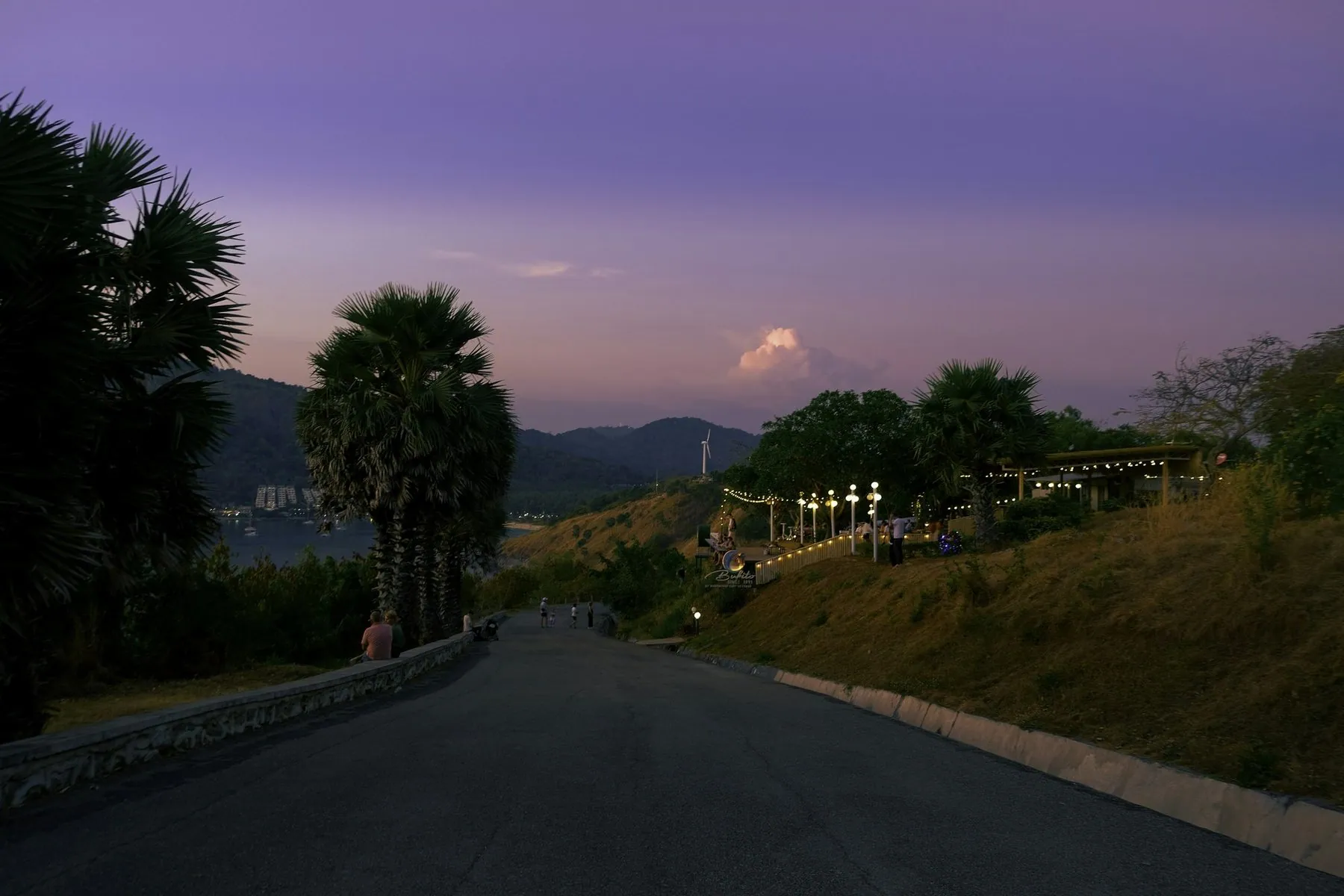
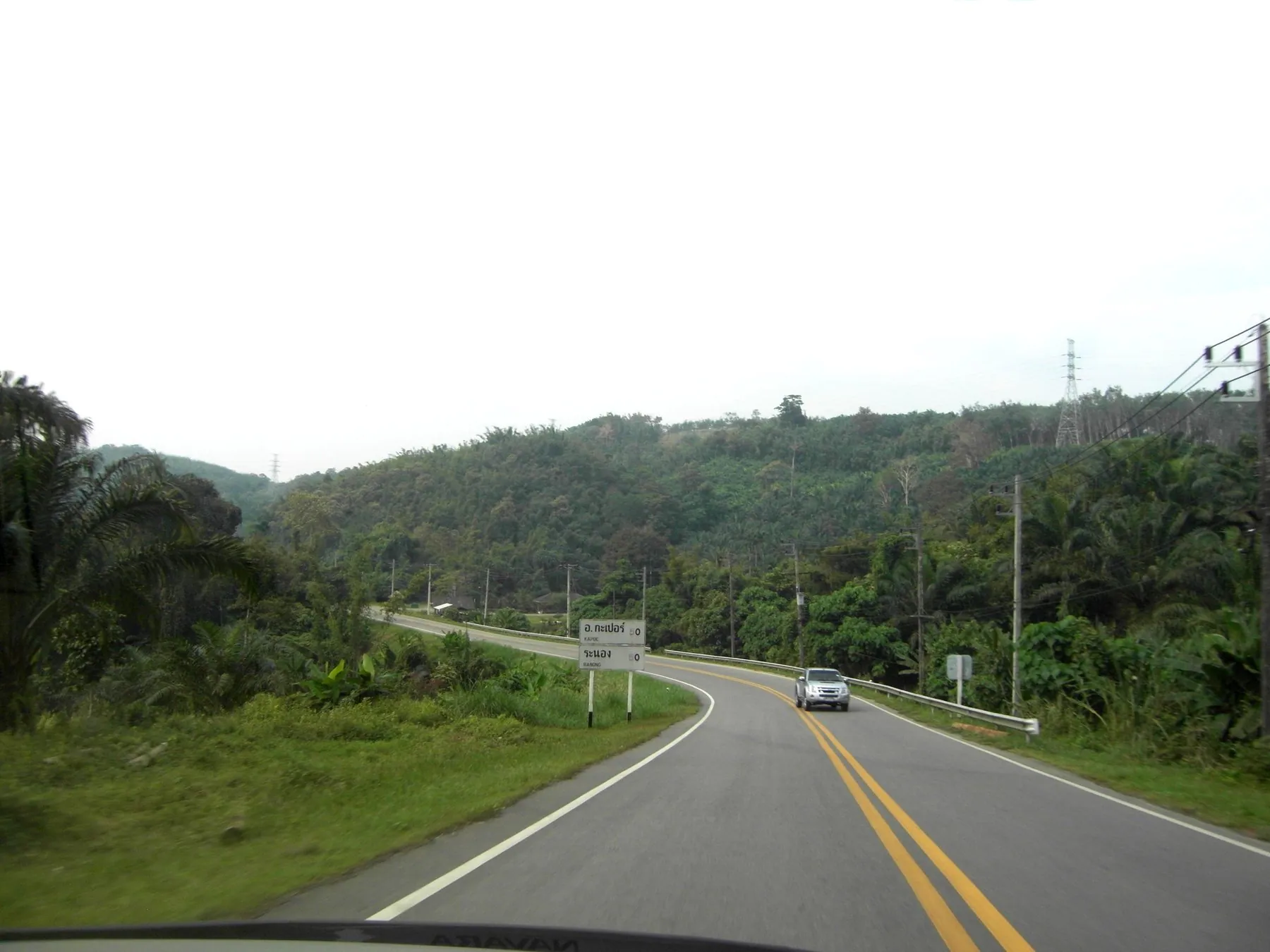
The south is a long peninsula with a coast on each side, and driving it is mostly a question of which coast you choose. The Gulf coast from Hua Hin to Surat Thani is around 480 kilometres. The Andaman coast, about 670 kilometres from Ranong to Satun on Highway 4, is the best coastal road trip in the country — limestone towers, mangrove and rubber plantation the whole way. From Phuket, Khao Lak is about an hour and a half north, and Khao Sok another hour and a half beyond it.
Cities: dense, slow, and learnable
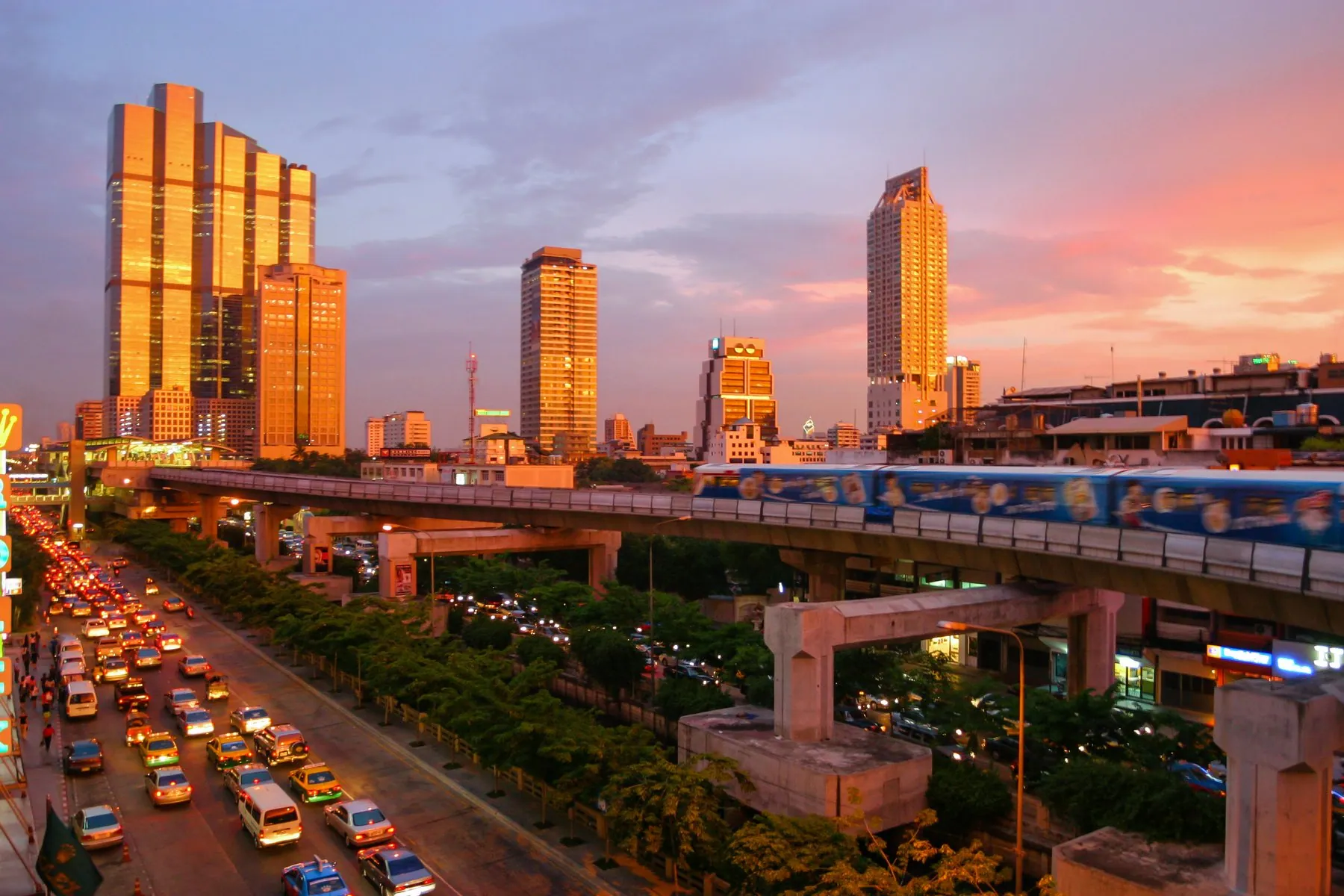
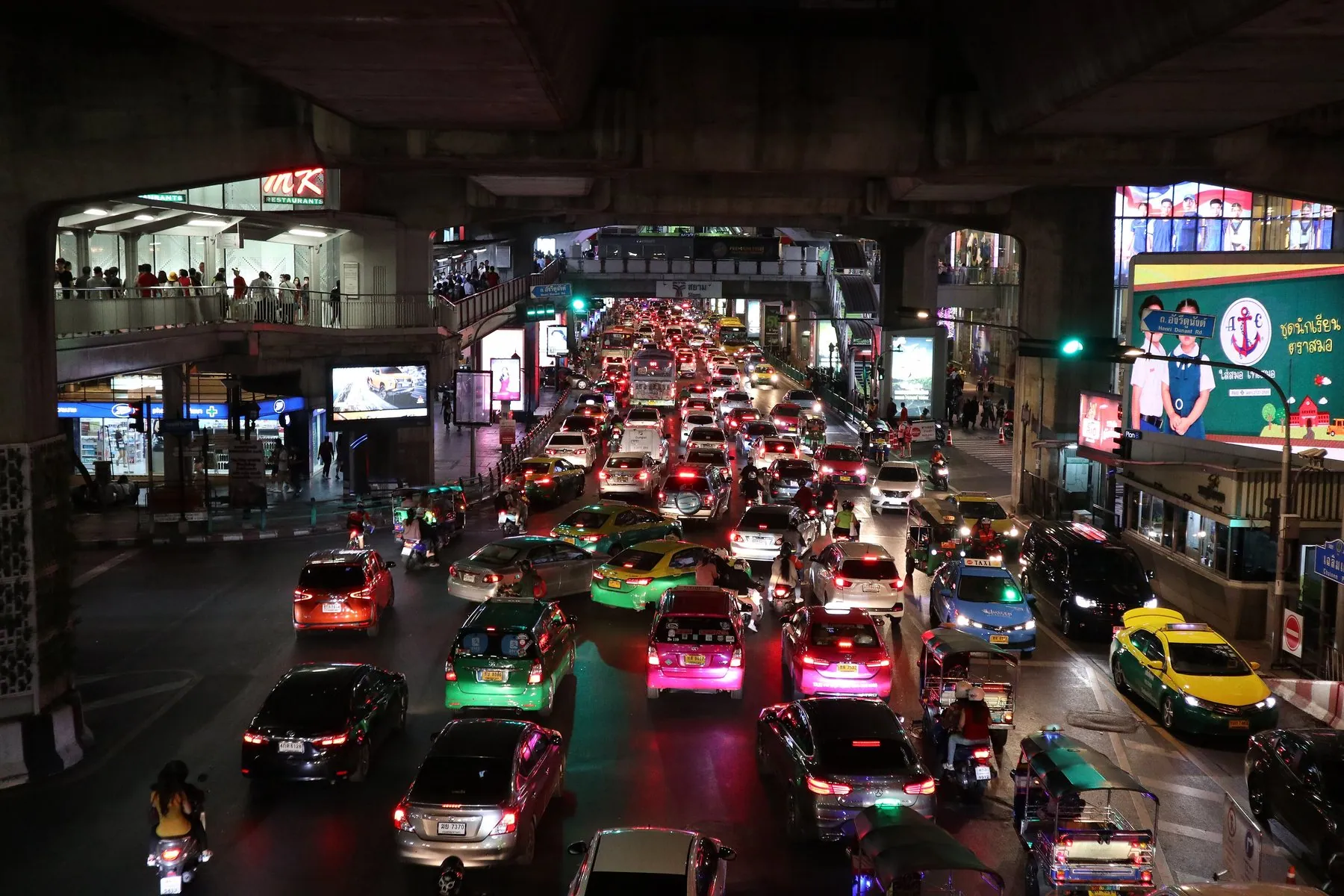
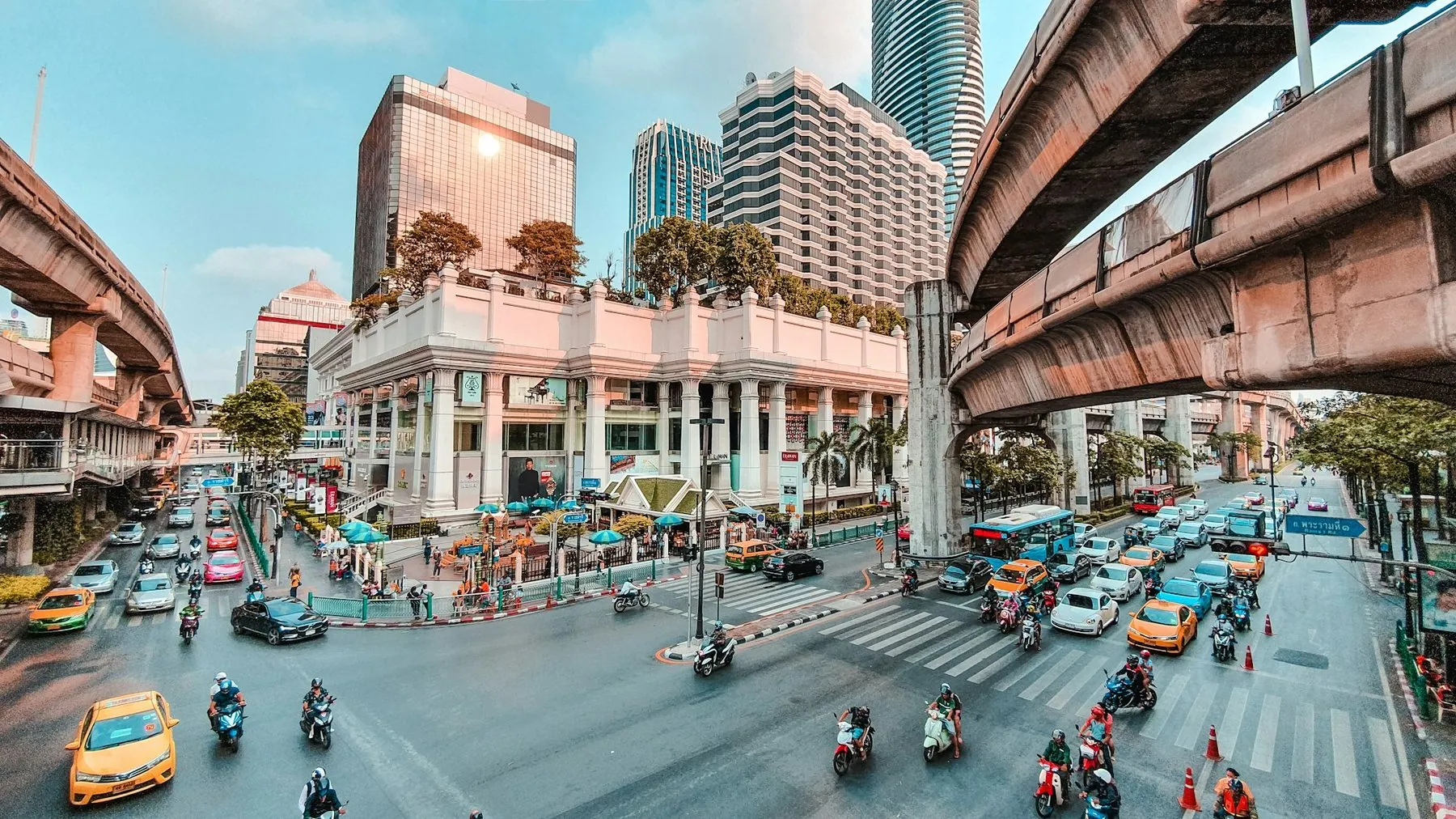
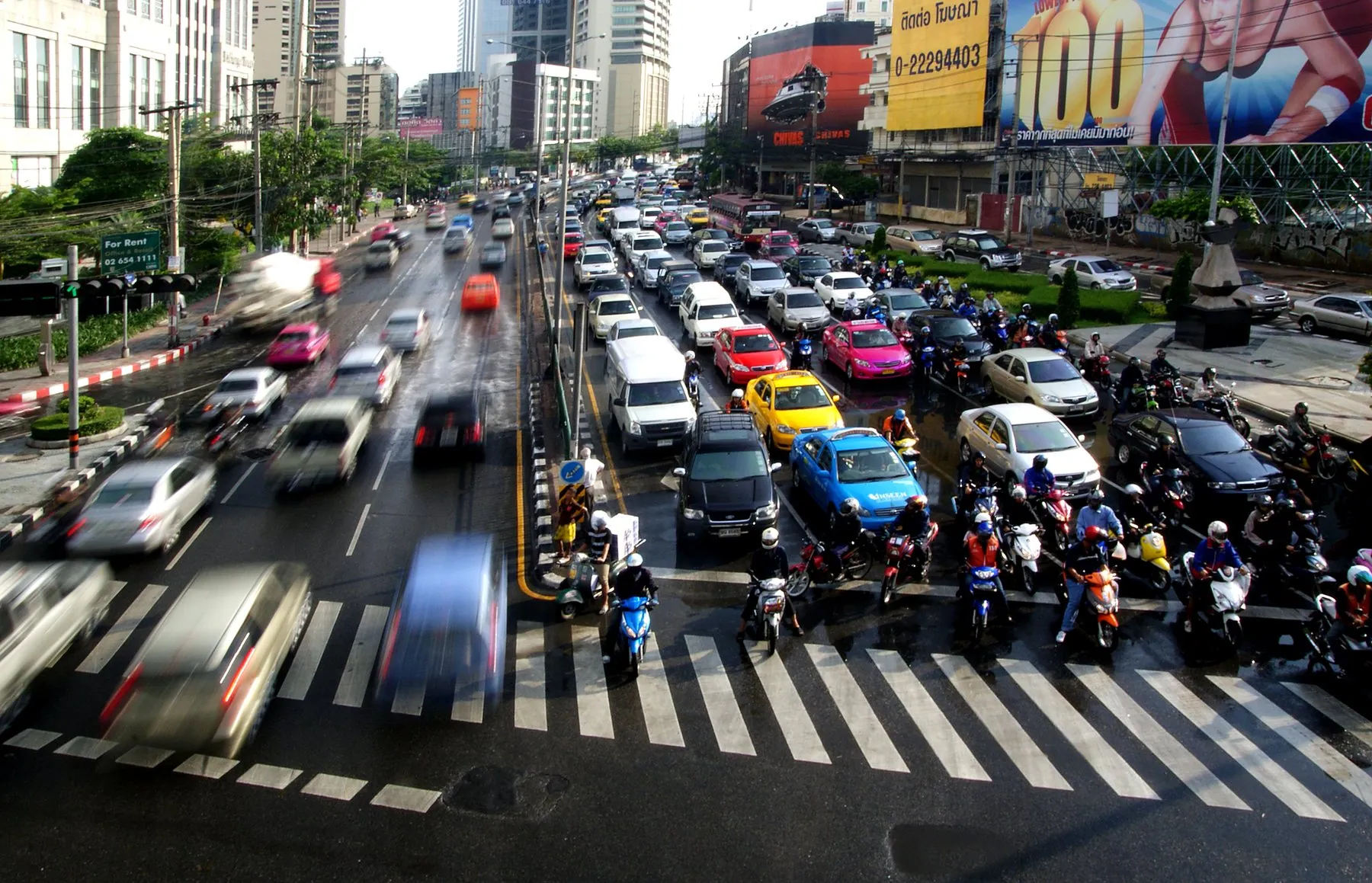
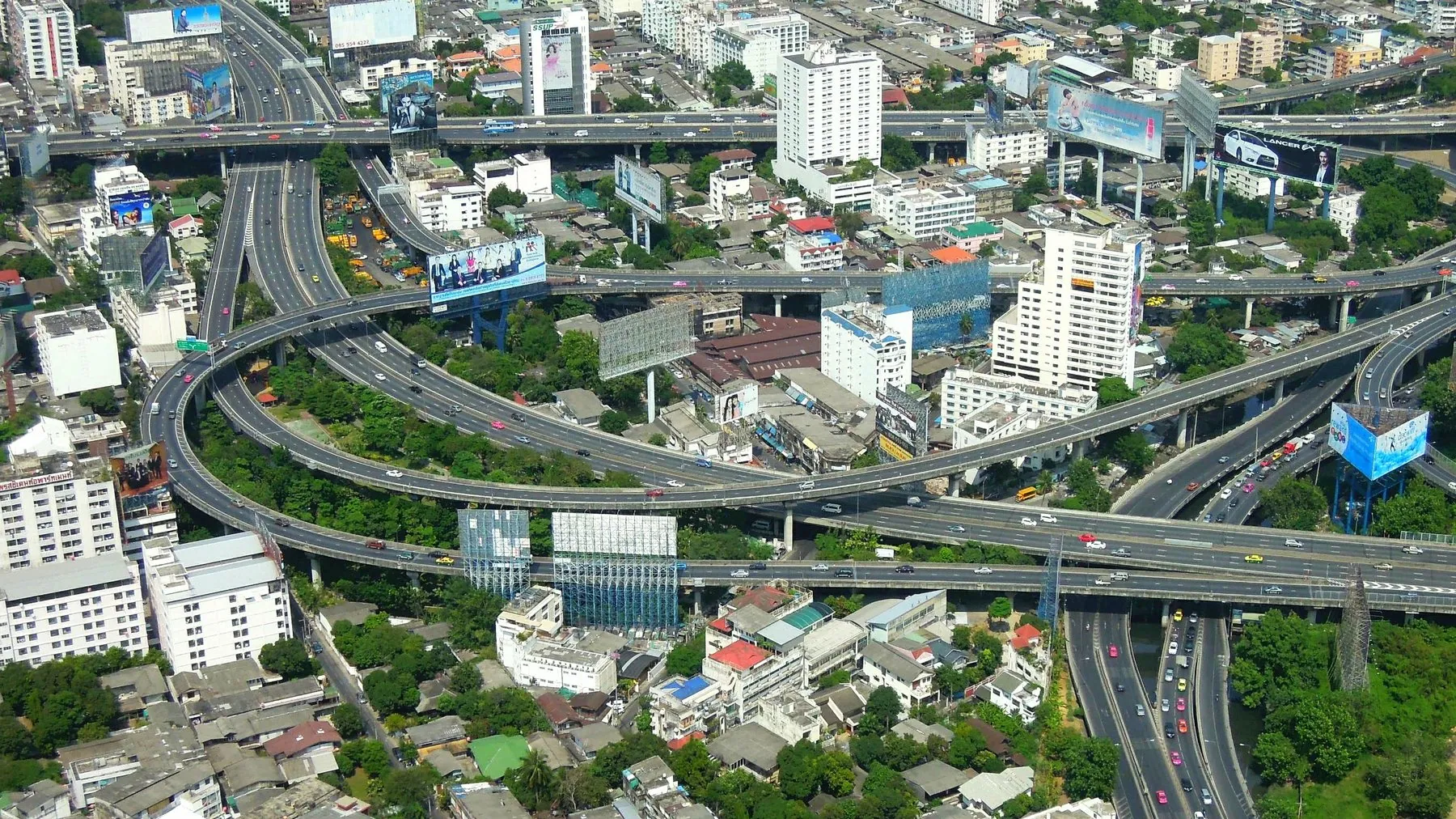
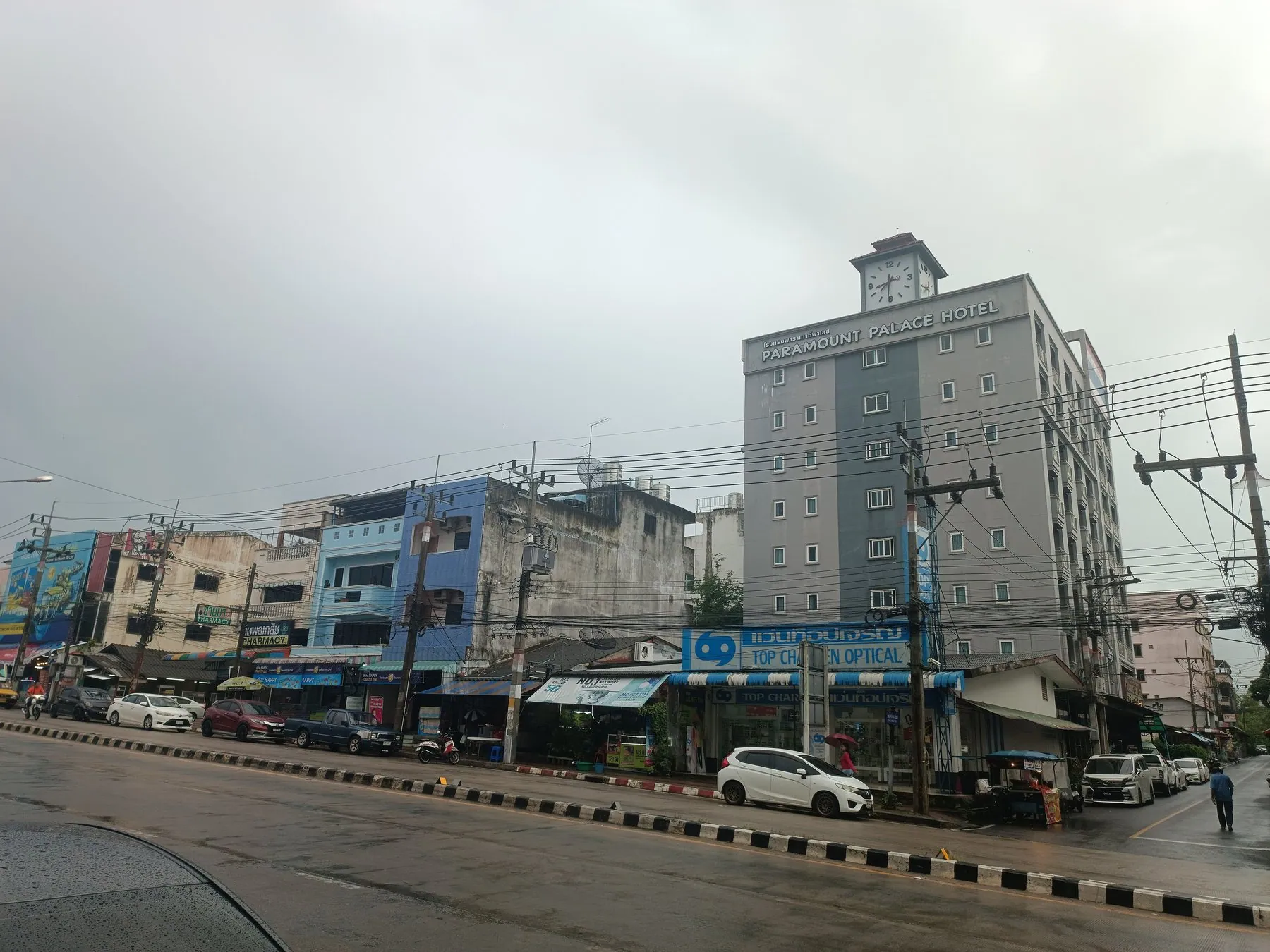
Most trips start in a city, and most cities are easier than their reputation. Driving in Bangkok is not chaotic so much as dense and slow, and the two things that catch a visitor out are geometry rather than aggression: the city has removed the right turn from most of its main roads, and you will cross by U-turn instead. Time it well — the peaks run 07:00 to 09:30 and 16:00 to 20:00, and the evening is far worse — and park in a shopping-centre car park, not on the street. If you are only passing through, the Outer Ring Road takes you round the whole metropolitan area without entering it. Riding a motorbike in Bangkok is the fastest way across the city and the riskiest thing most visitors do here; that page is candid about both.
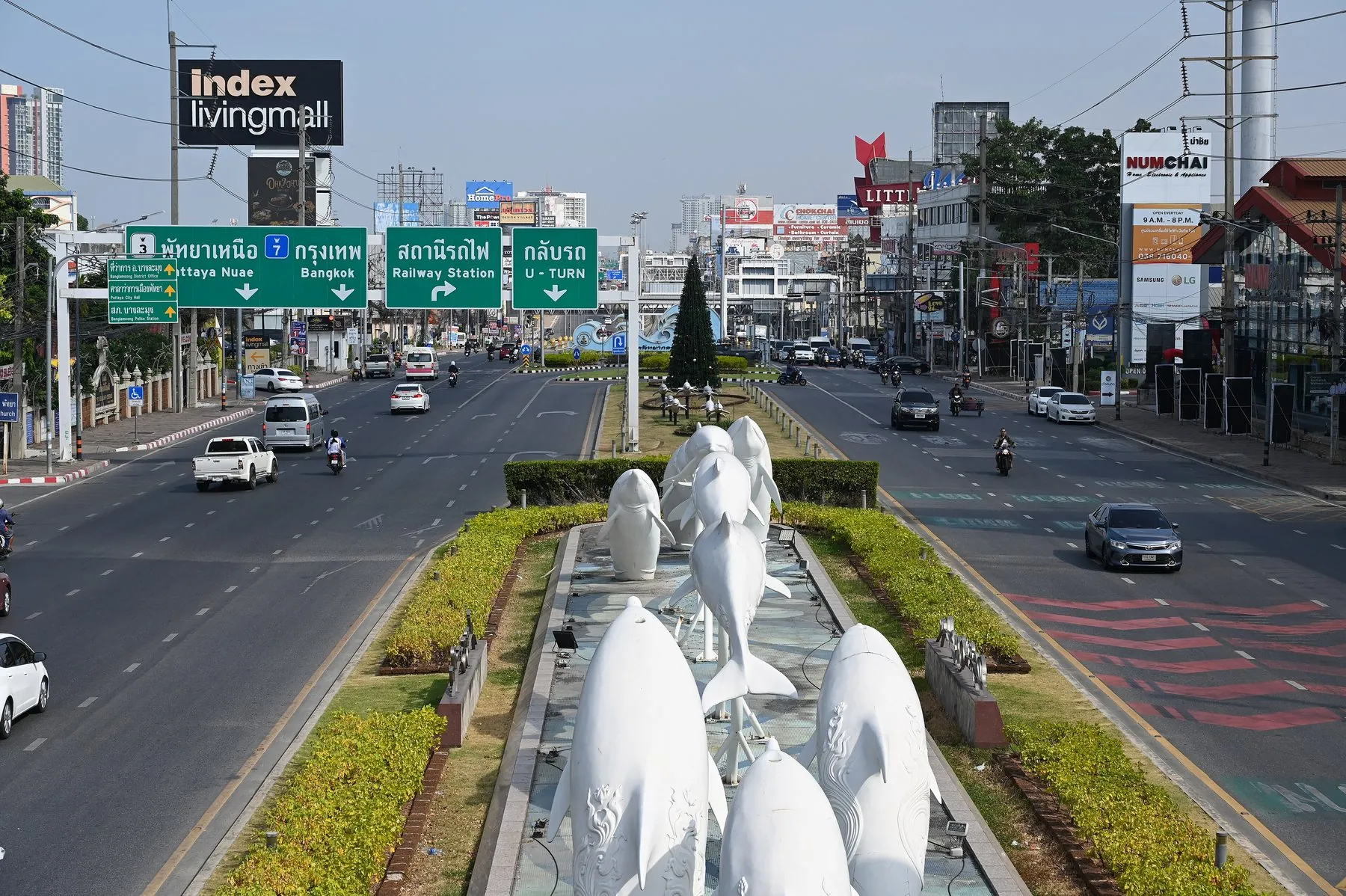
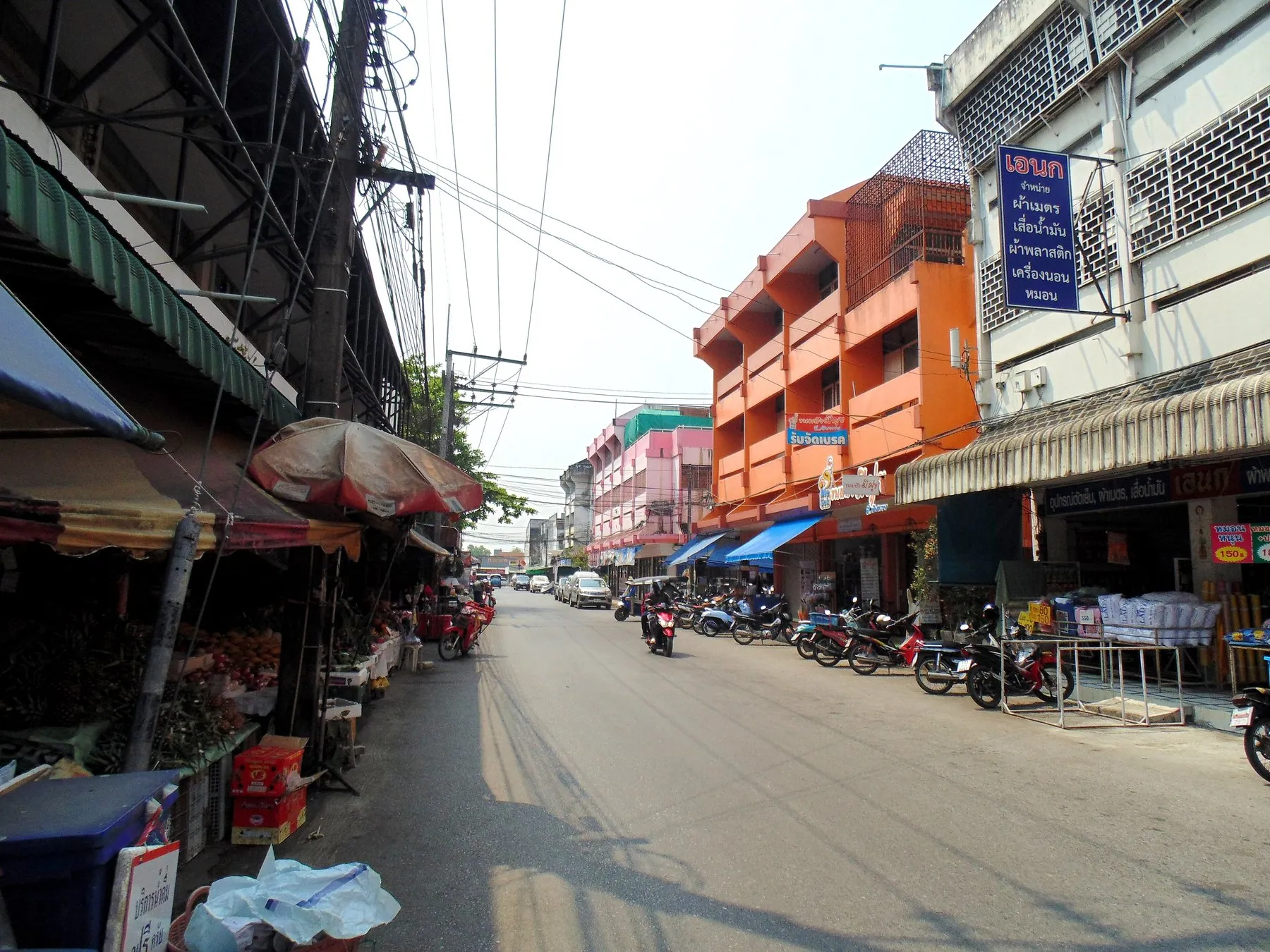
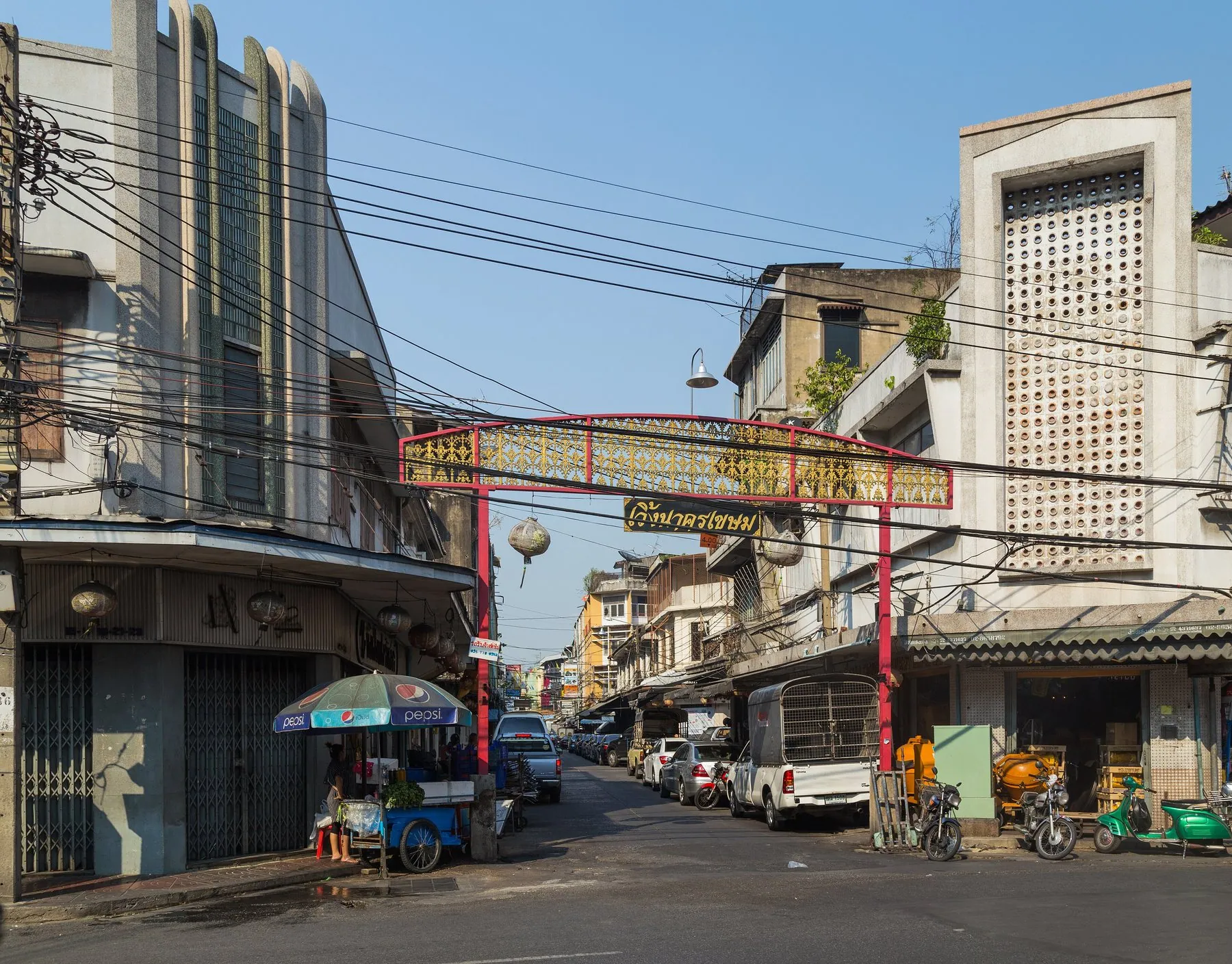
Elsewhere: Chiang Mai is the easiest large city in the country to drive in; Hua Hin is the most forgiving place for a first drive; Pattaya is a simple grid with two one-way roads that visitors break on day one; Phuket looks easy on the map and is one of the more demanding places to drive, because of the hills; and Chiang Rai is a ten-minute city with everything worth seeing an hour away. How Thai towns are laid out — main roads, sois and why the numbering works the way it does — explains all of them at once.
Highways, tolls and fuel
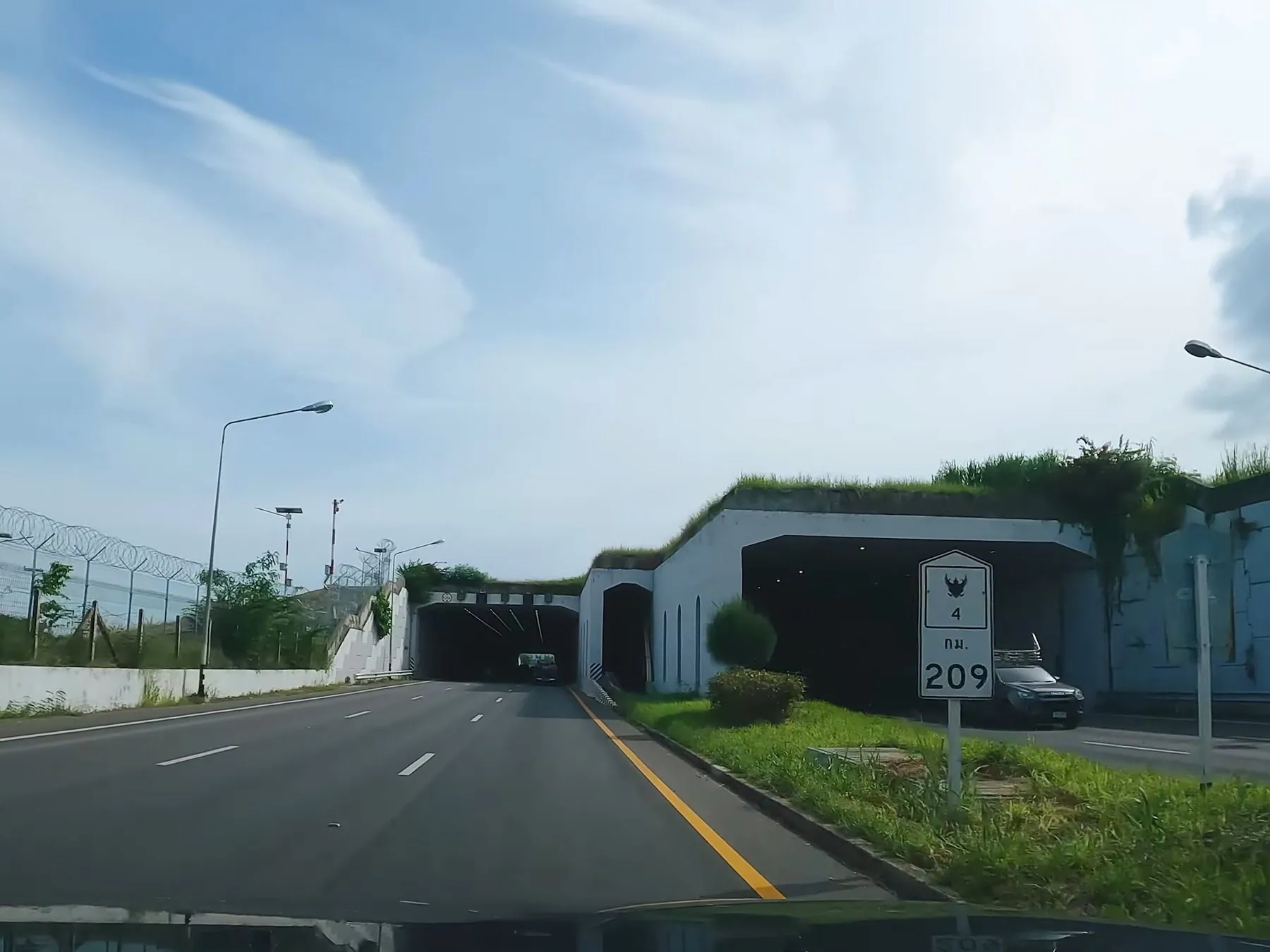
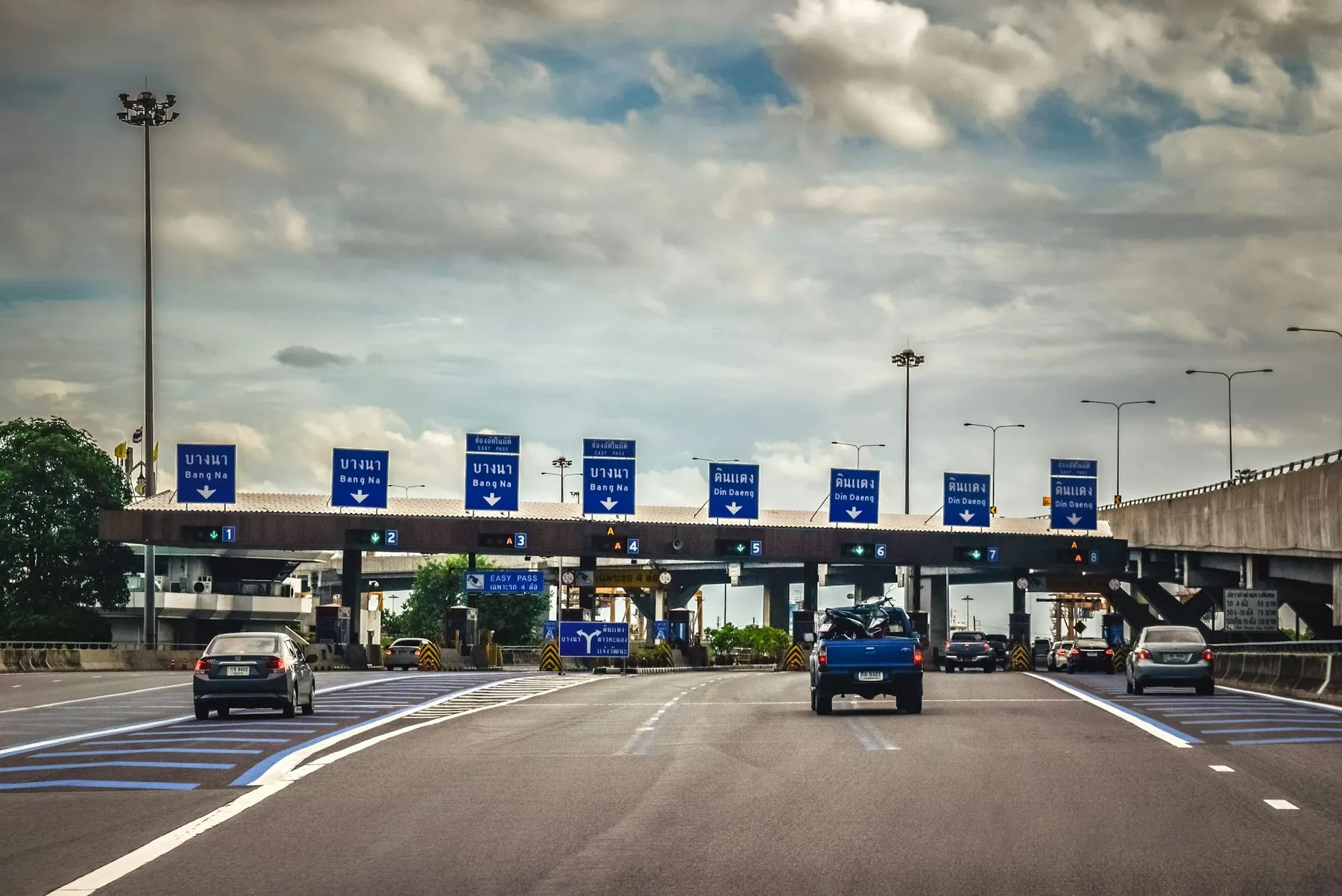
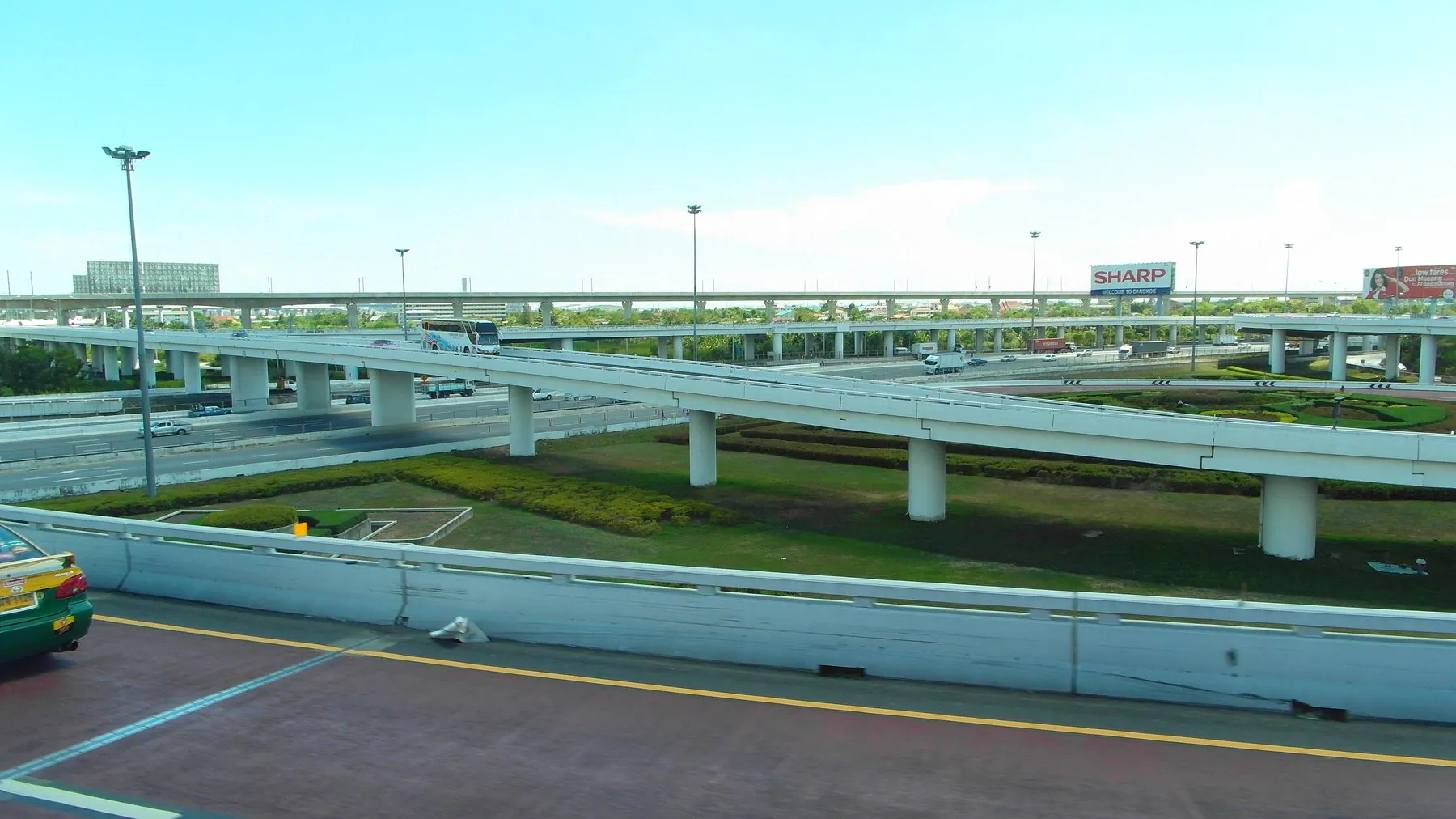
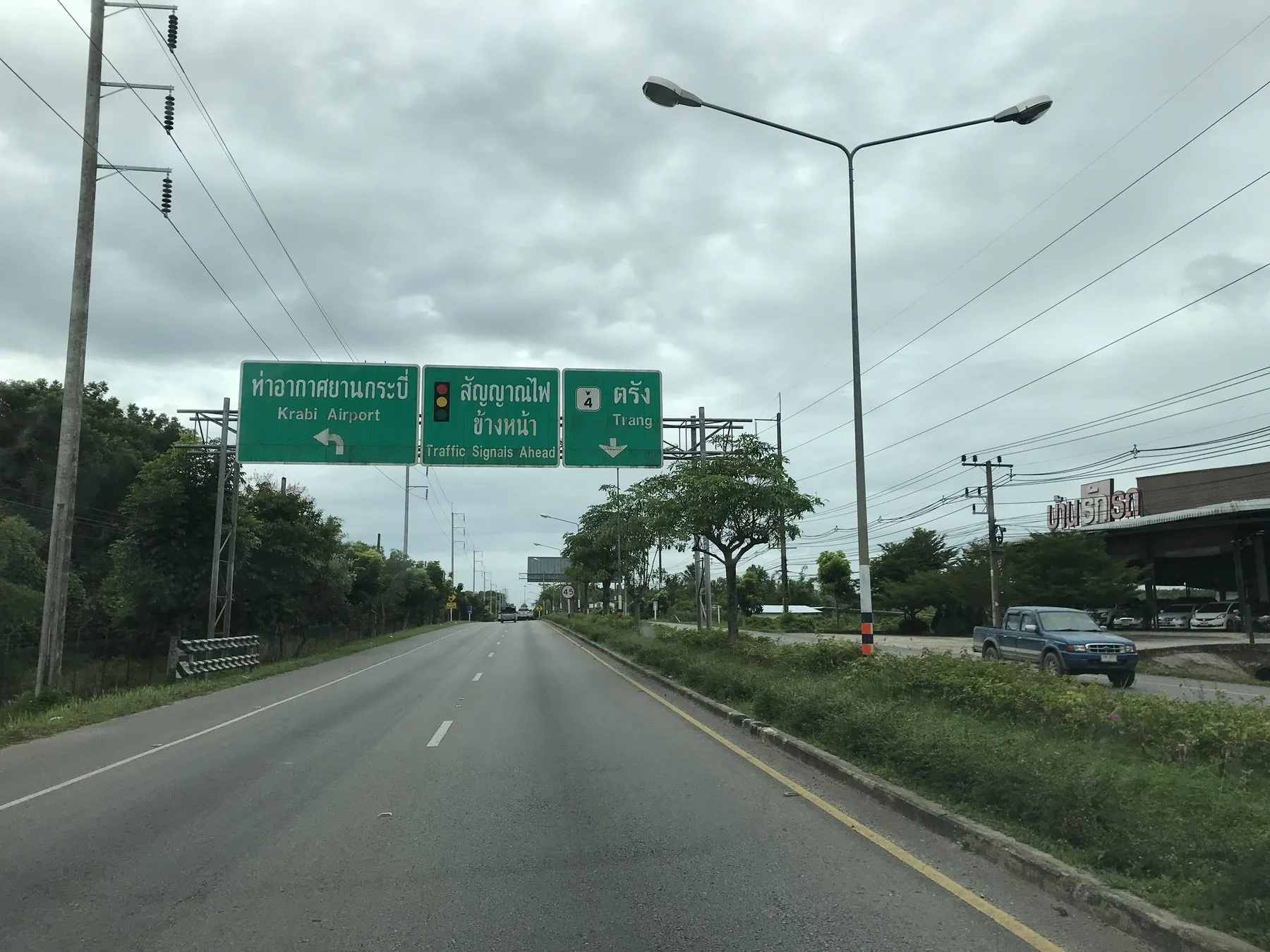
Thailand has two separate toll networks: the elevated expressways through Bangkok and the intercity motorways, run by different authorities with different rules — including the one that keeps motorbikes off them. Tolls are cheap and simple to pay; the electronic options are worth understanding before a hire car goes through a barrier-free M-Flow gate, because the bill arrives later. The longest road in the country is Highway 4, a little over 1,300 kilometres from Bangkok to the Malaysian border.
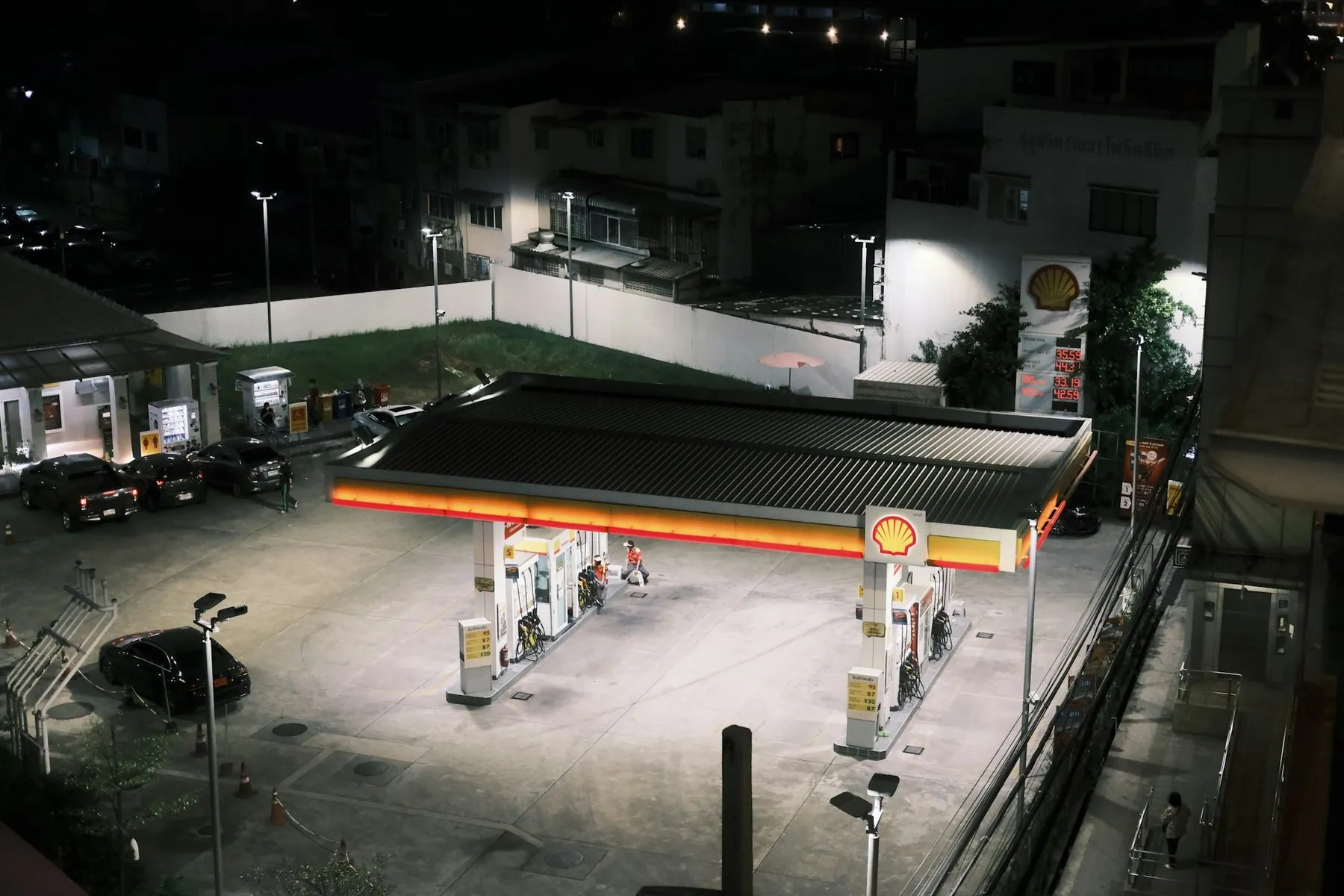
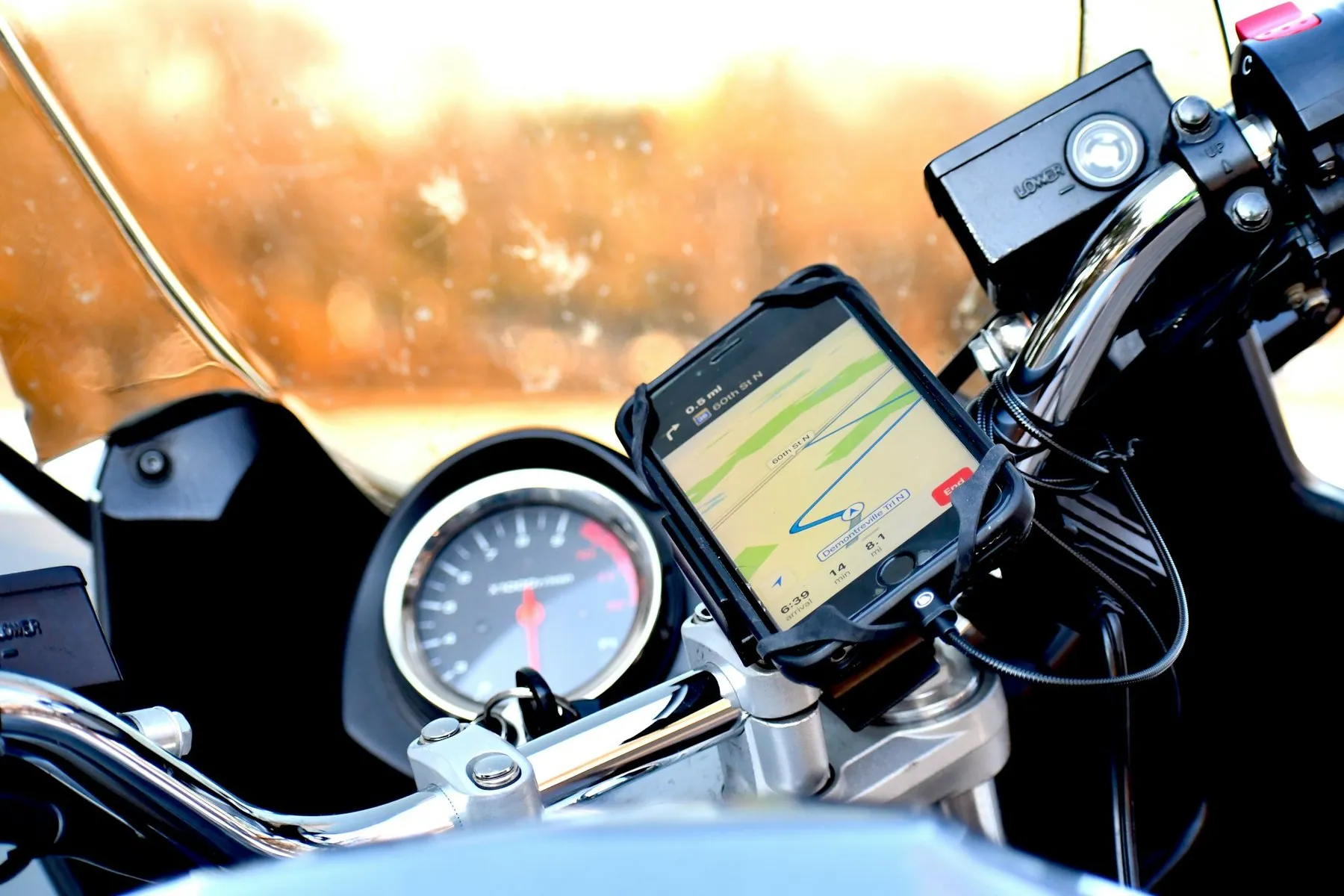
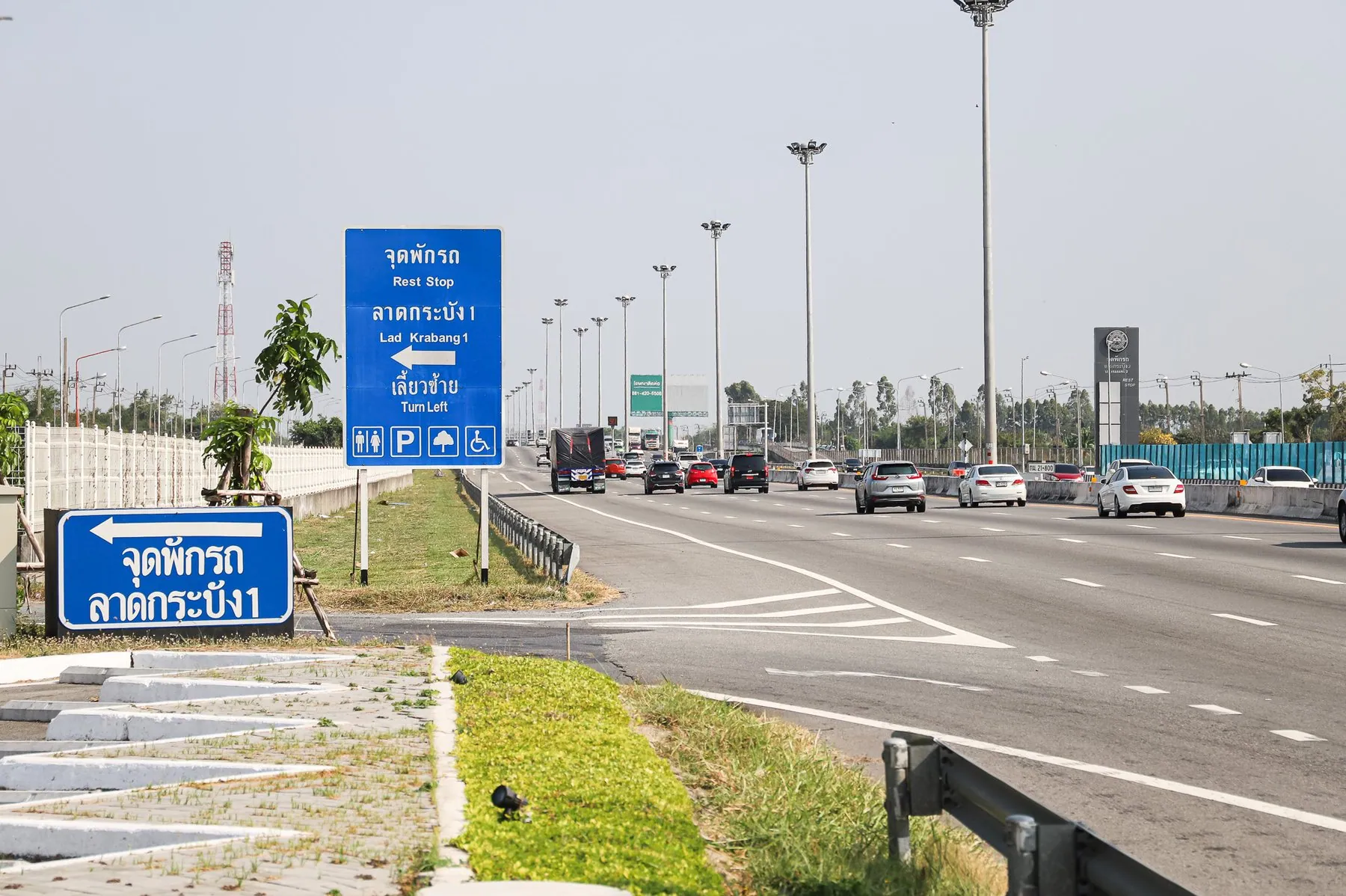
On the road itself, the petrol station is the service area — fuel, a 24-hour shop, coffee and toilets. The fuel grades are ethanol blends with unfamiliar names; in a petrol hire car, Gasohol 95 is the safe universal choice. And Google Maps is the right default for navigation, but not sufficient on its own.
Islands and borders
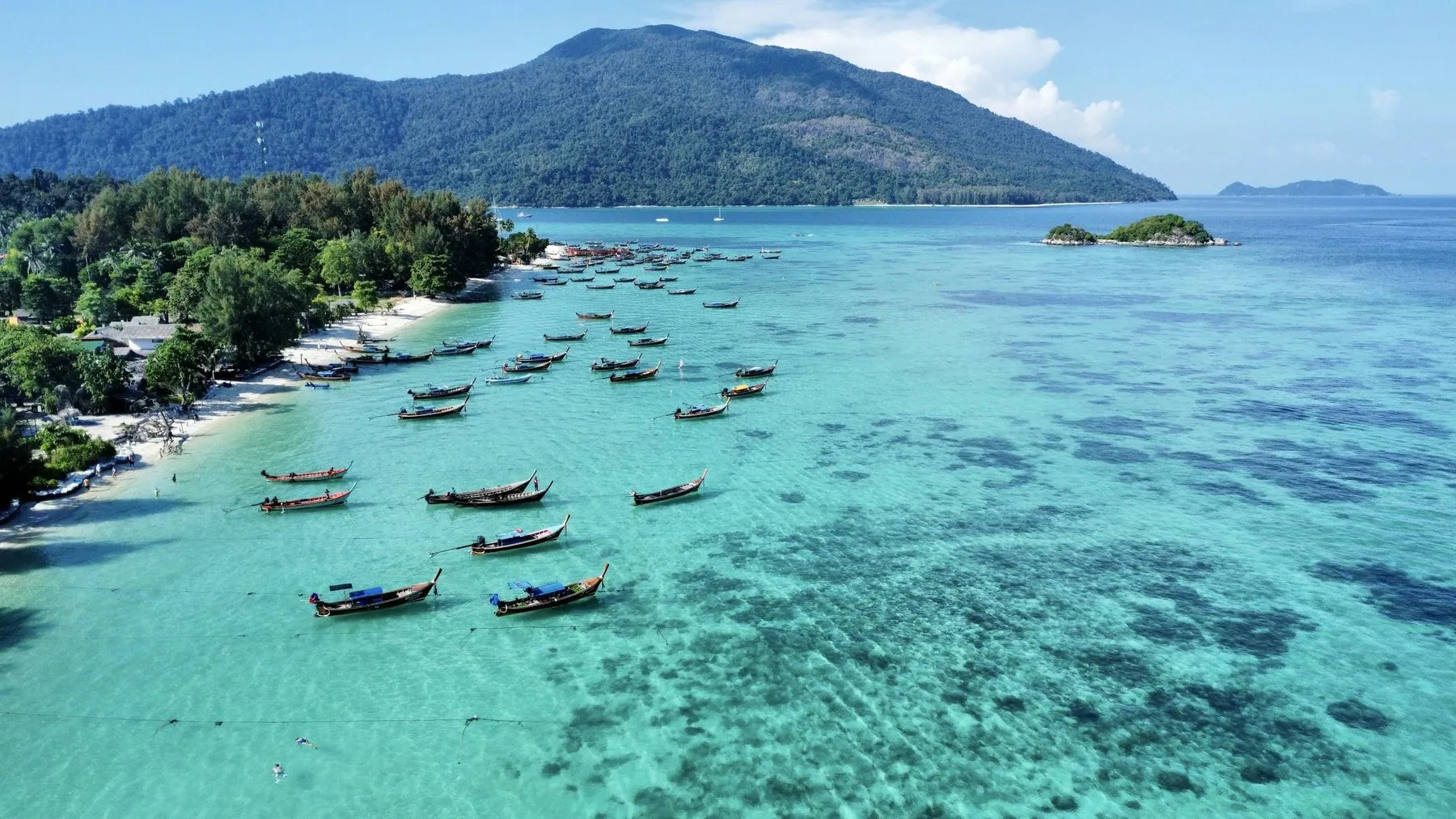
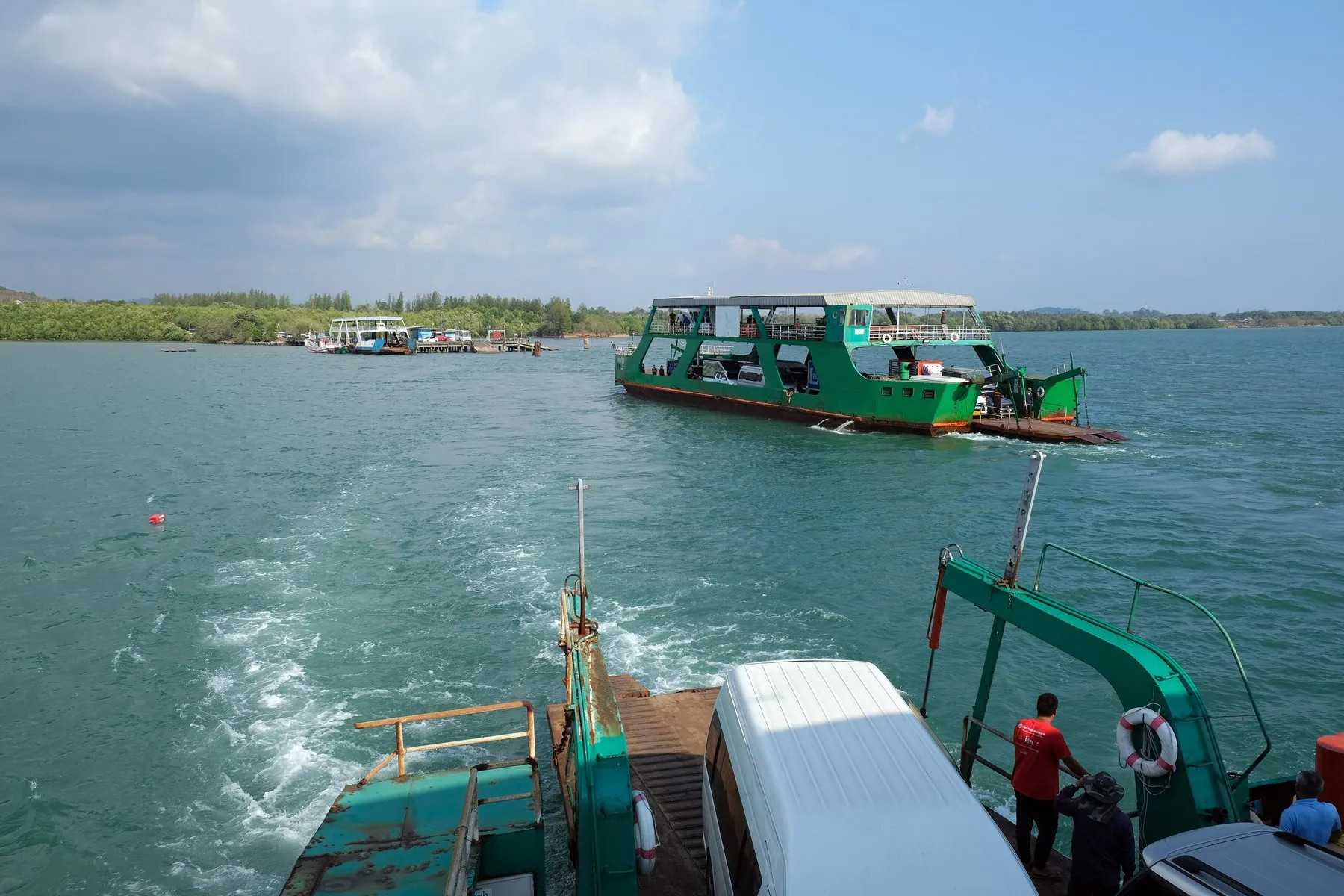
Only a handful of islands take vehicles, and almost all self-drive island traffic goes on two crossings: the short hop to Koh Chang from Trat province, and the ninety-minute run to Koh Samui from Don Sak. Koh Lipe has no roads for cars at all; you leave the car at Pak Bara.
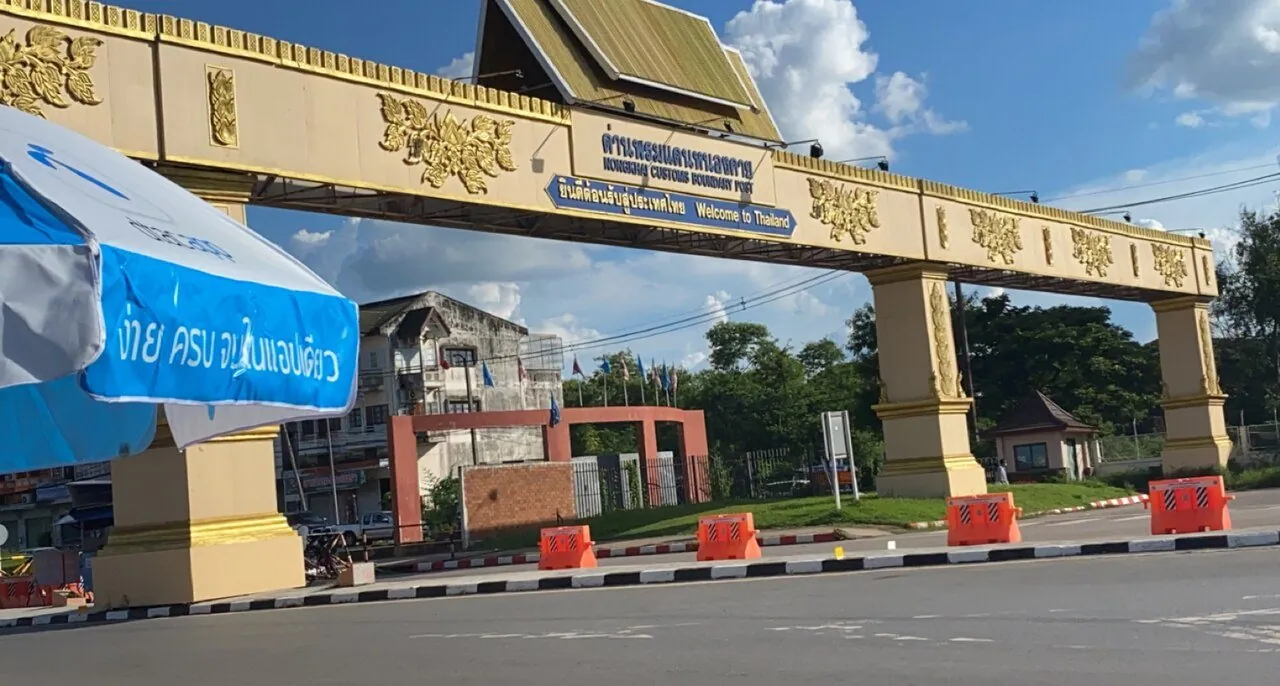
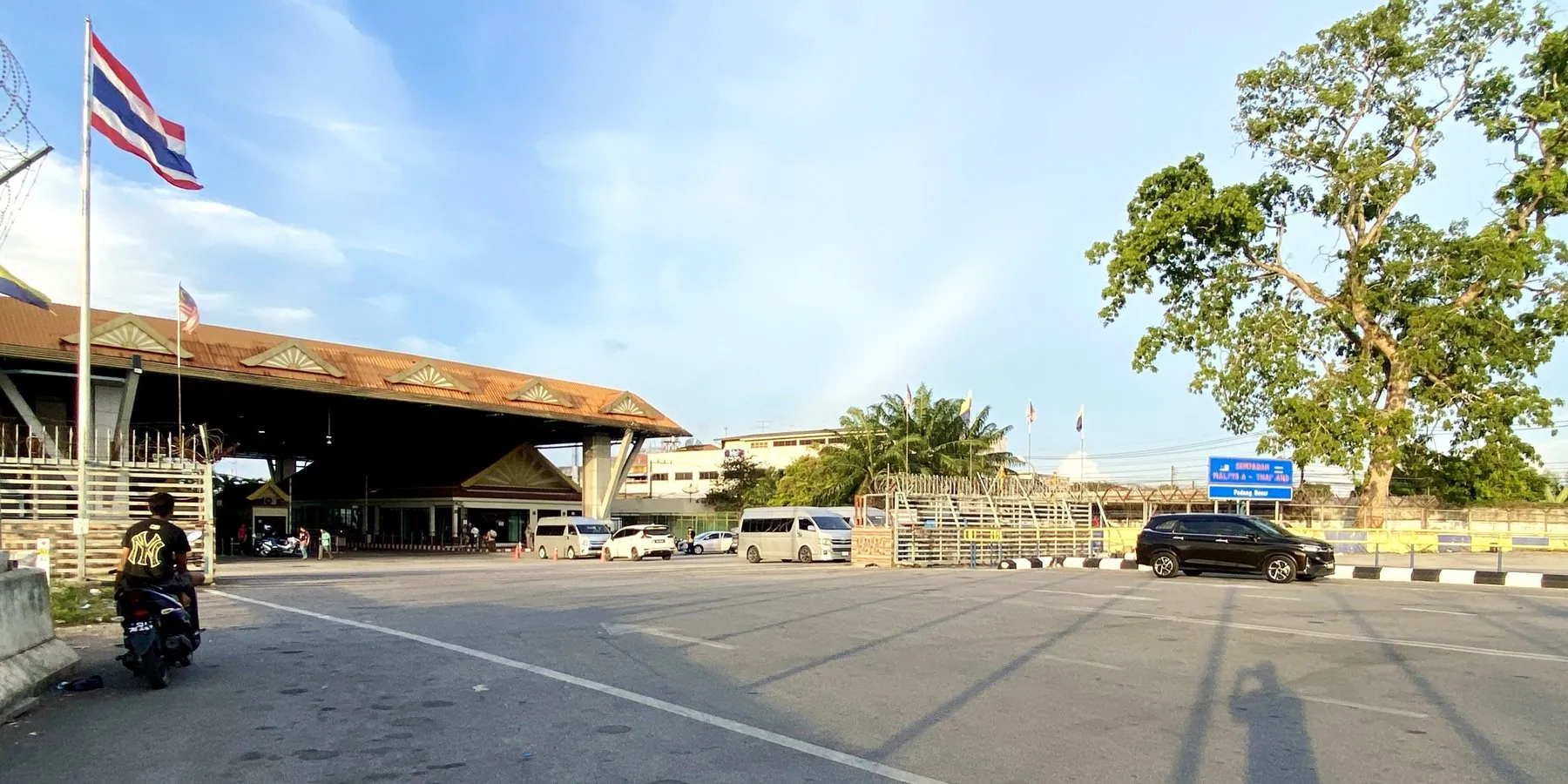
The borders are where a hire car stops. A vehicle rented in Thailand may not leave Thailand, almost without exception. Laos requires the vehicle's registration book, which no rental company will hand over. The Cambodian land border was closed after armed clashes in 2025 — check that page before planning anything. Malaysia is the easiest and busiest crossing, at Sadao and Padang Besar, for a vehicle you own. And the deep south — Pattani, Yala, Narathiwat and parts of Songkhla — carries standing Western travel advisories that affect your insurance as much as your route.