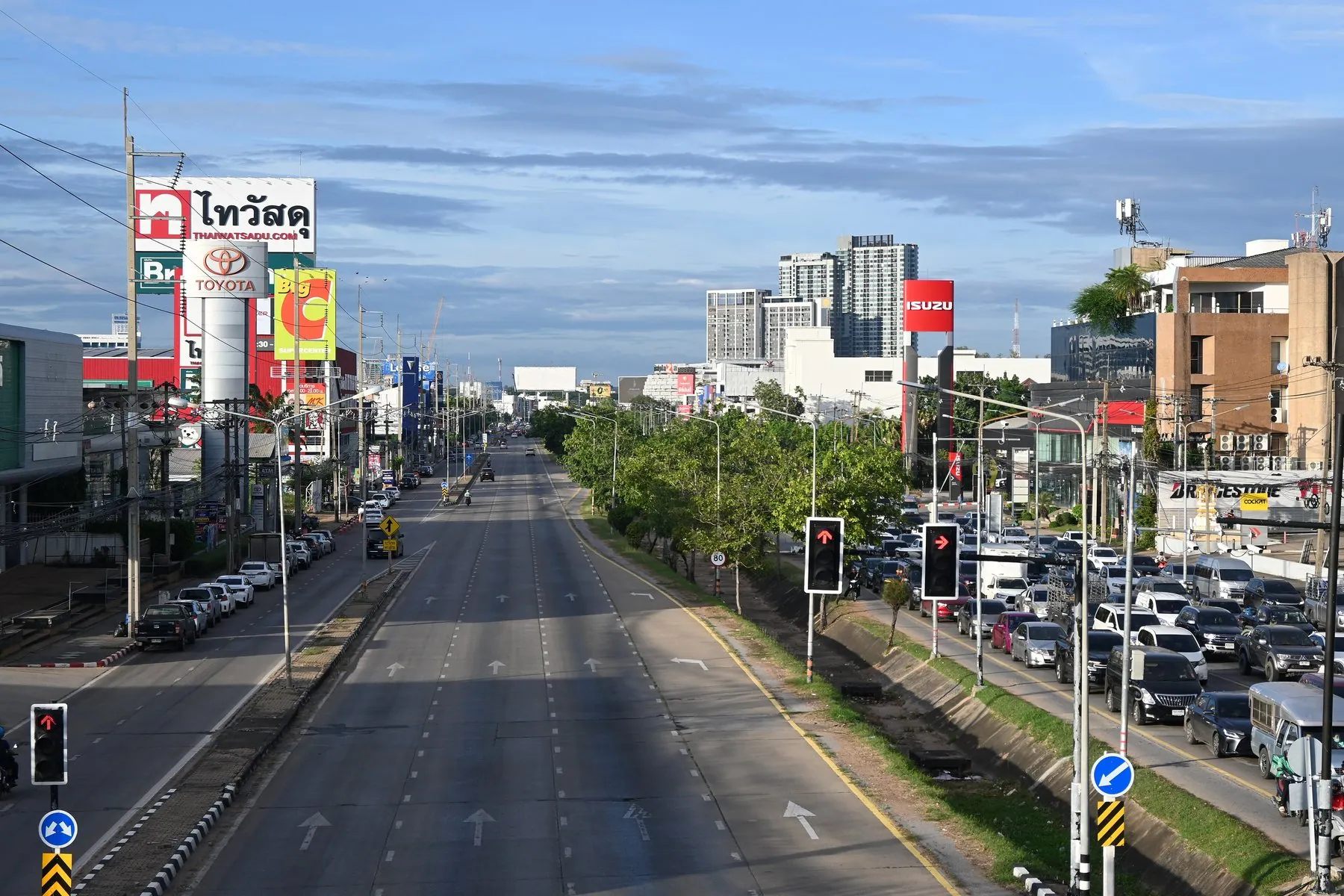
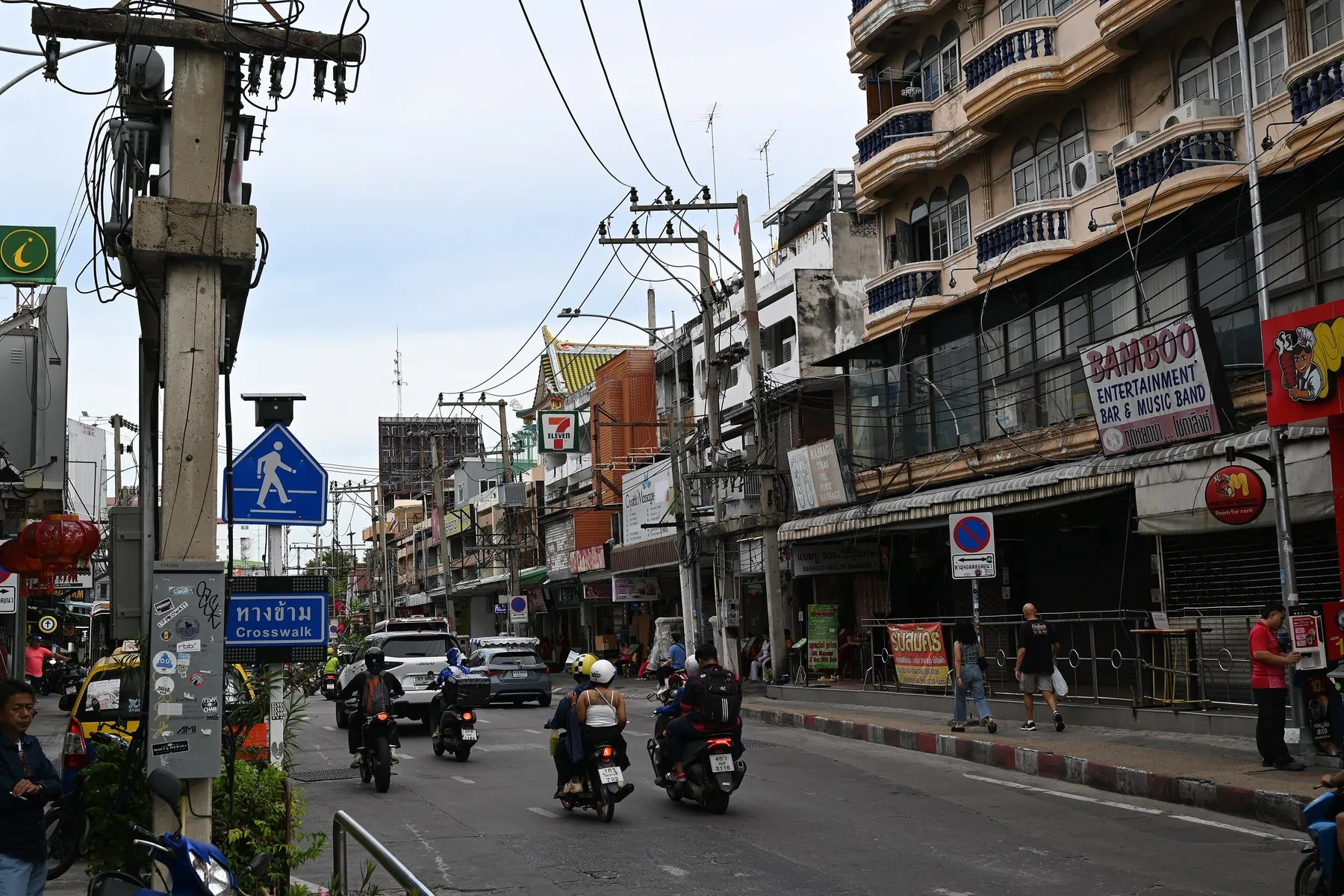
Thai traffic law is not unusual. What is unusual is the distance between the law as written and the road as driven — and a visitor who only knows one of the two is badly equipped. These guides give you both, and they always say which is which.
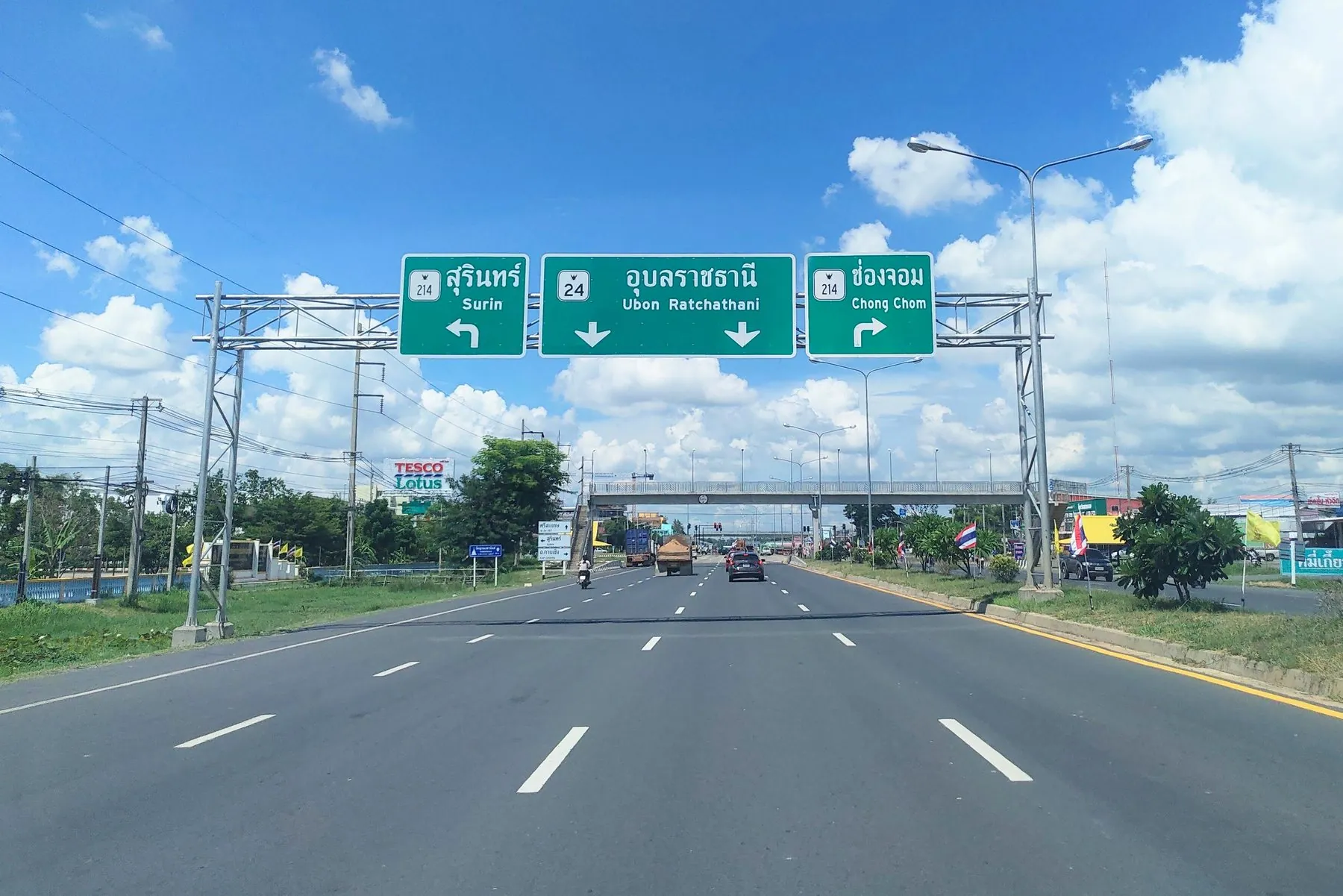
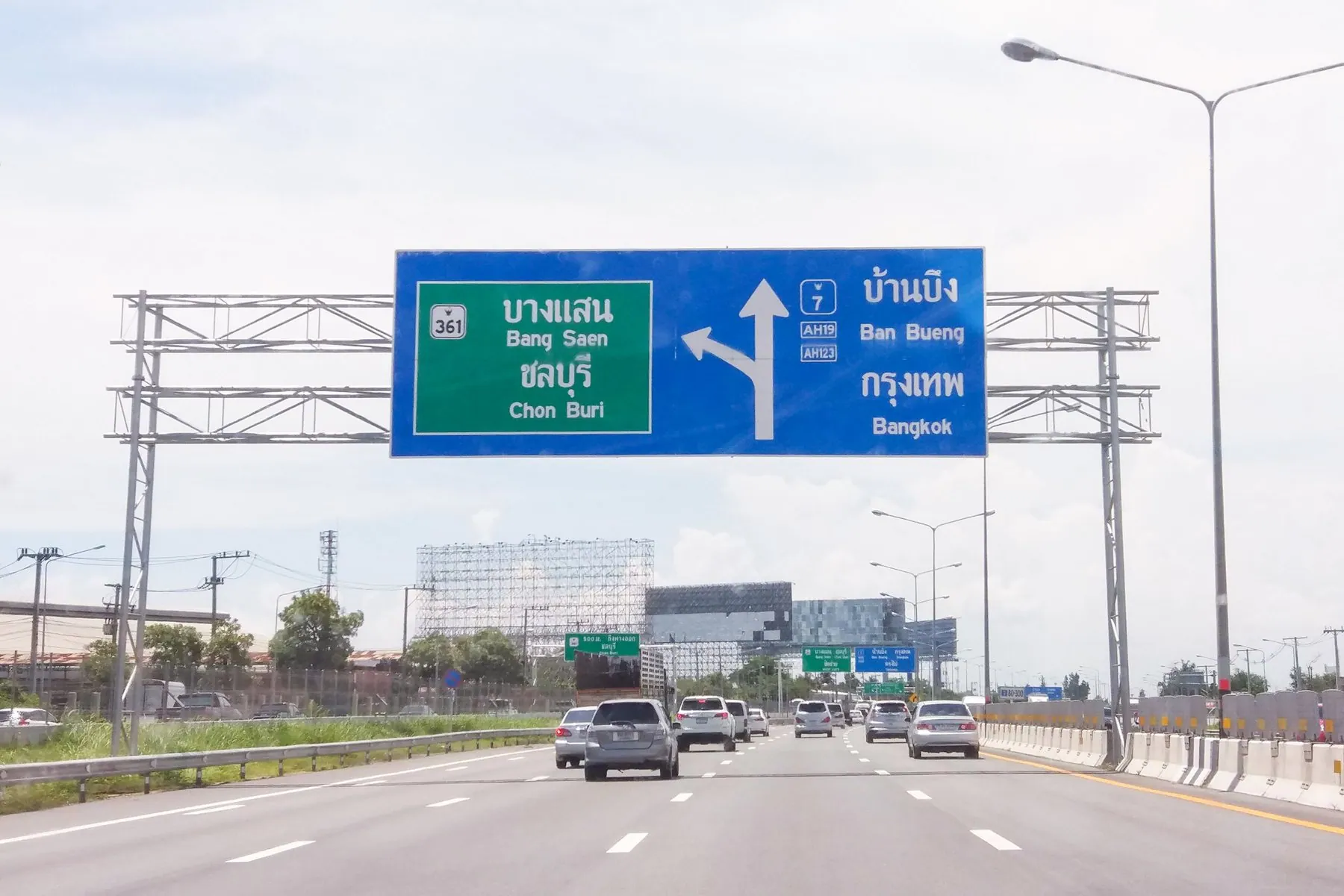
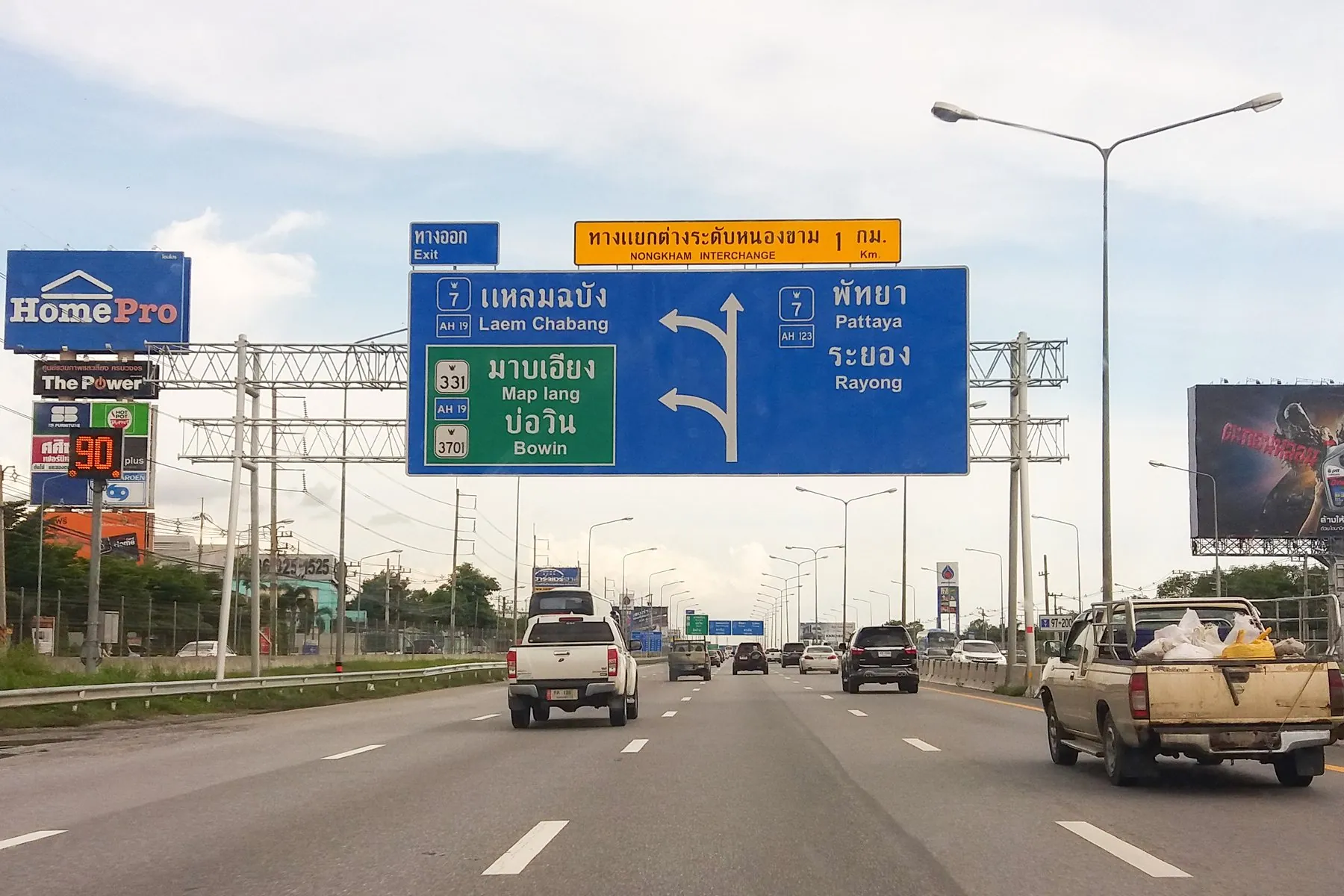
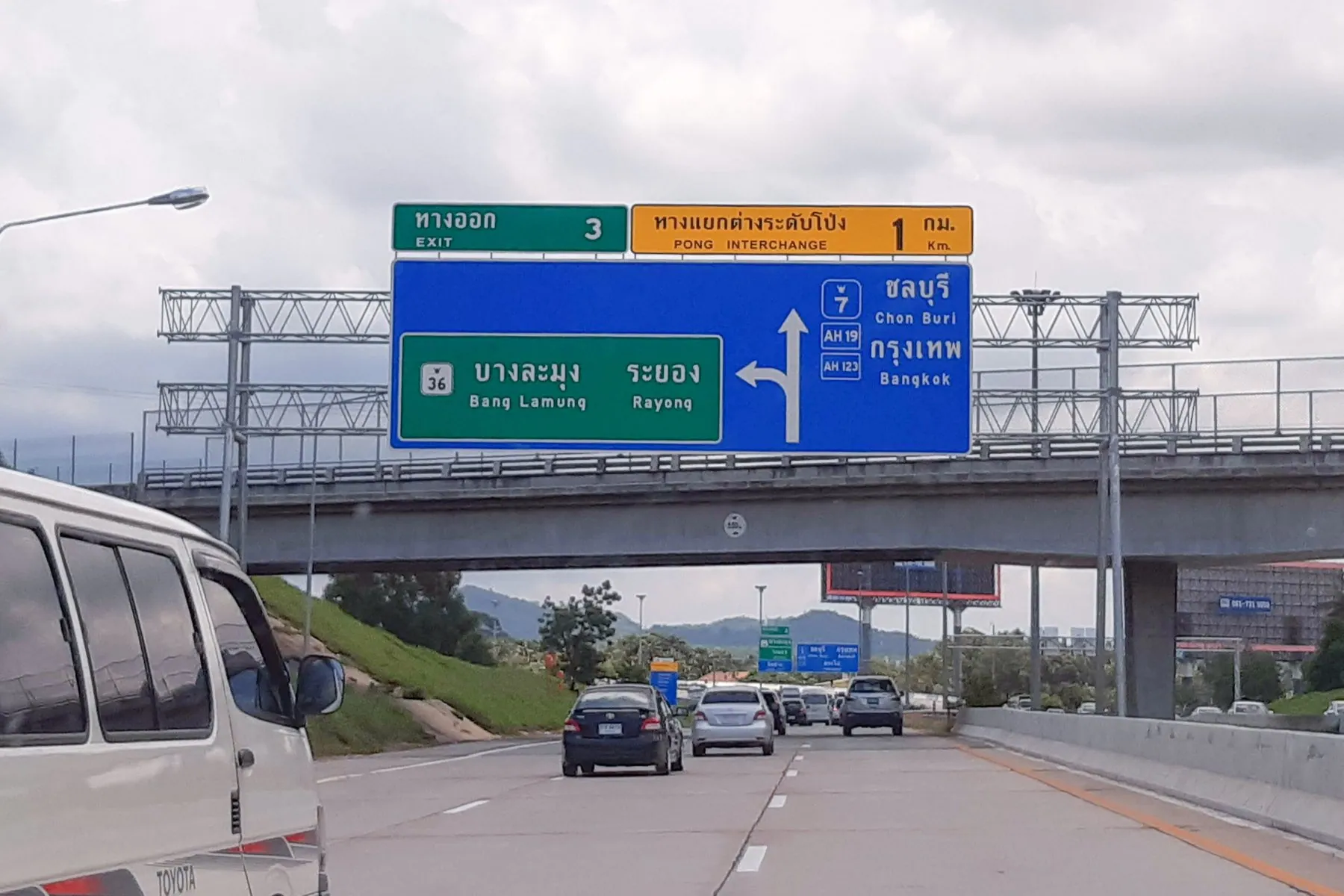
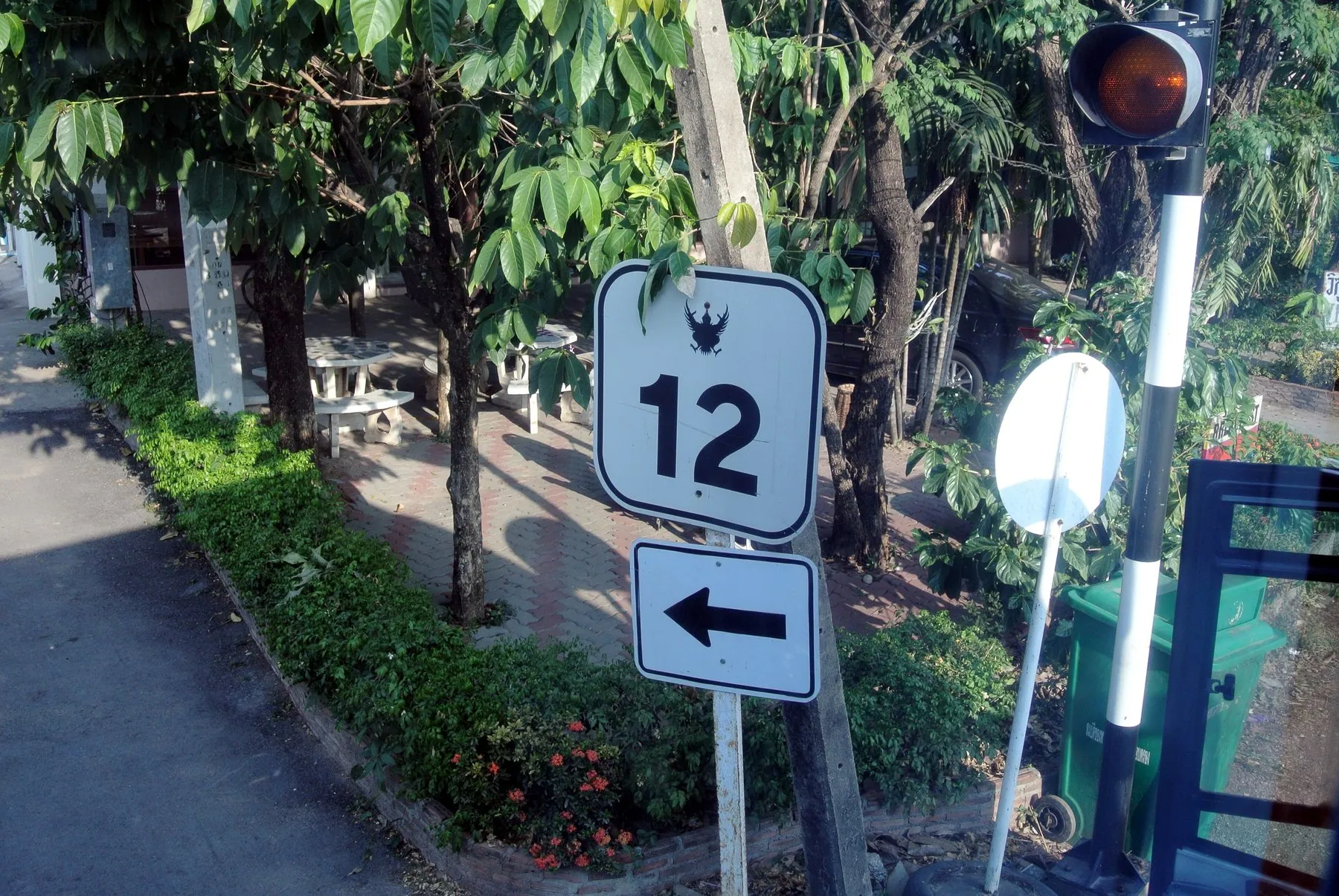
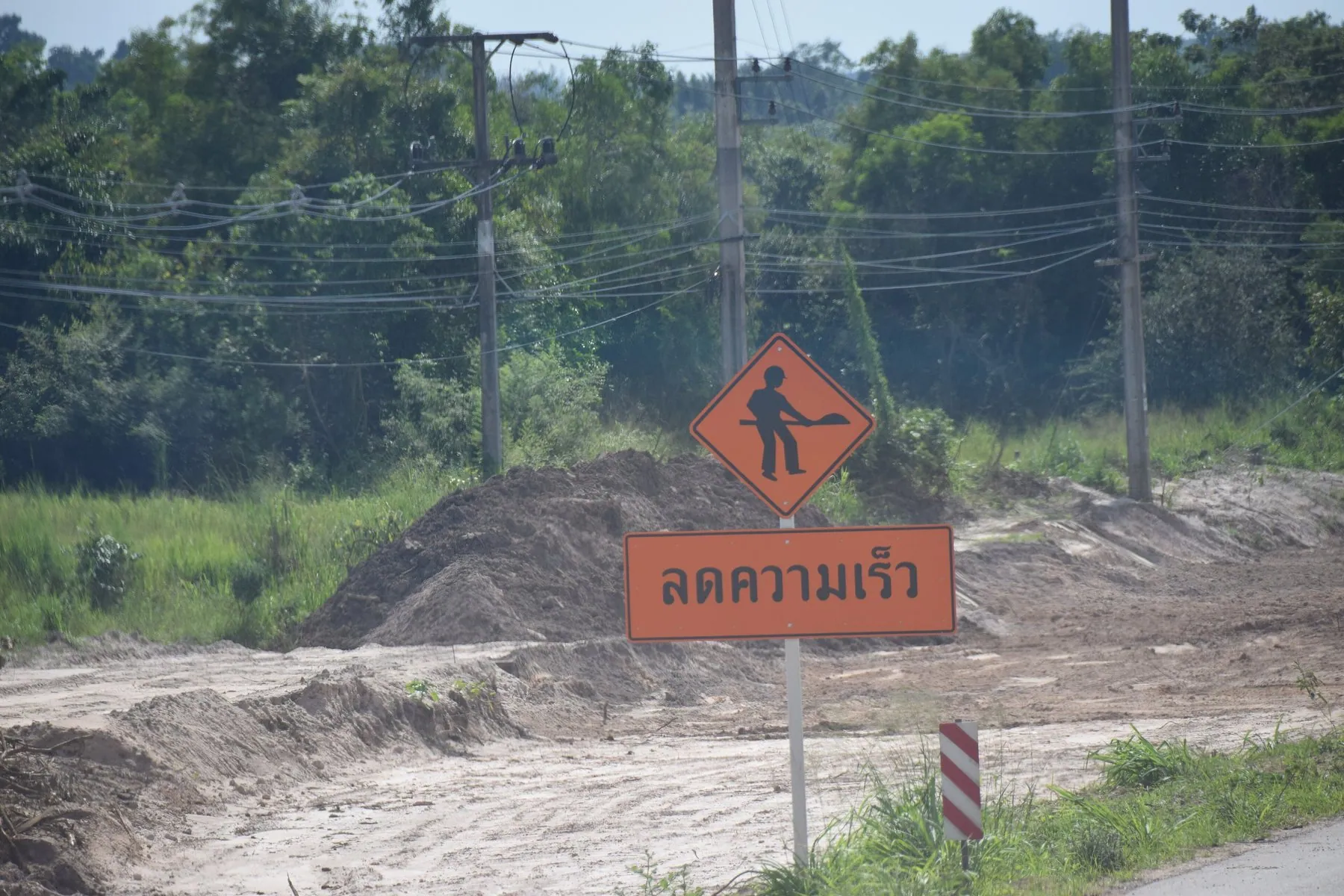
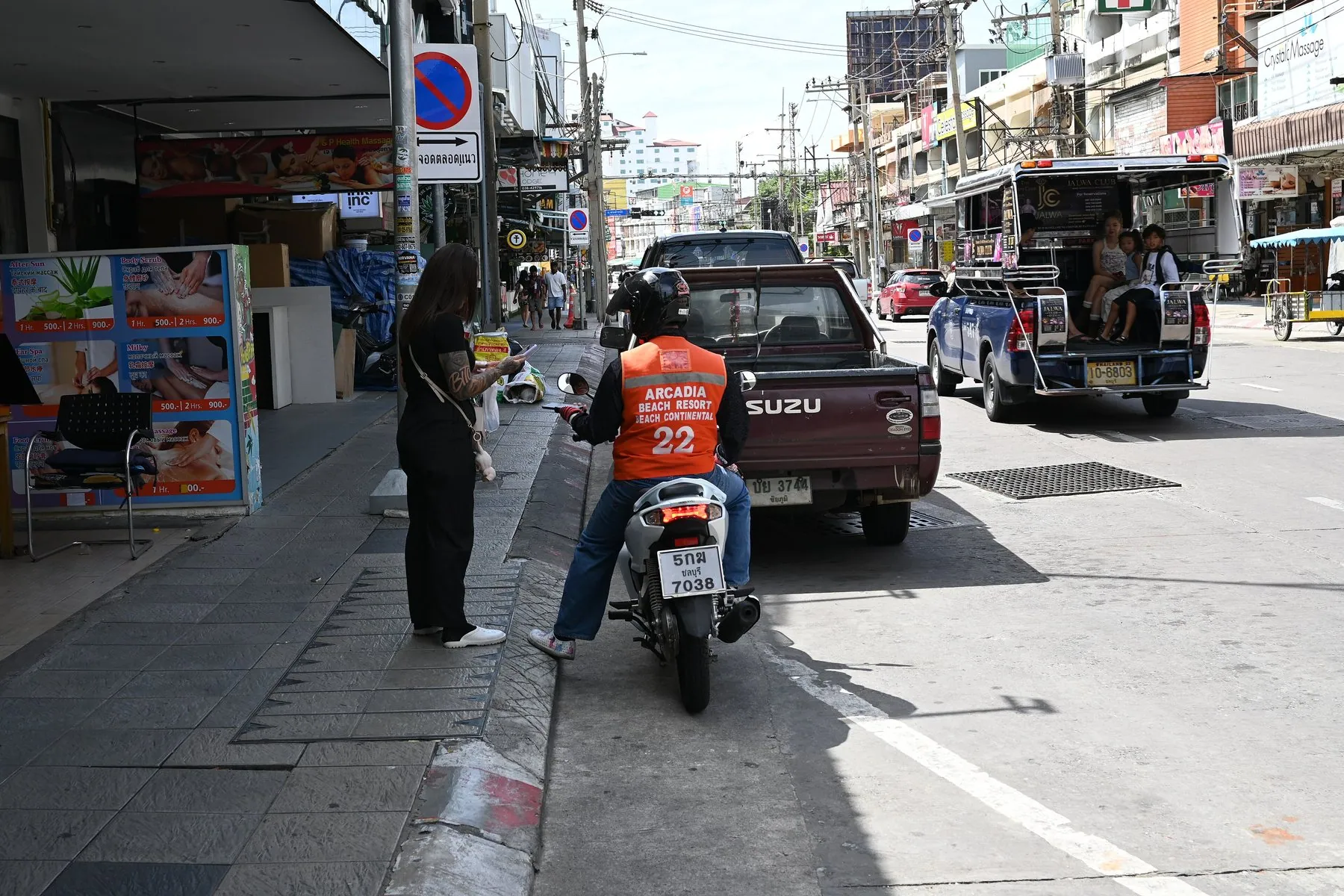
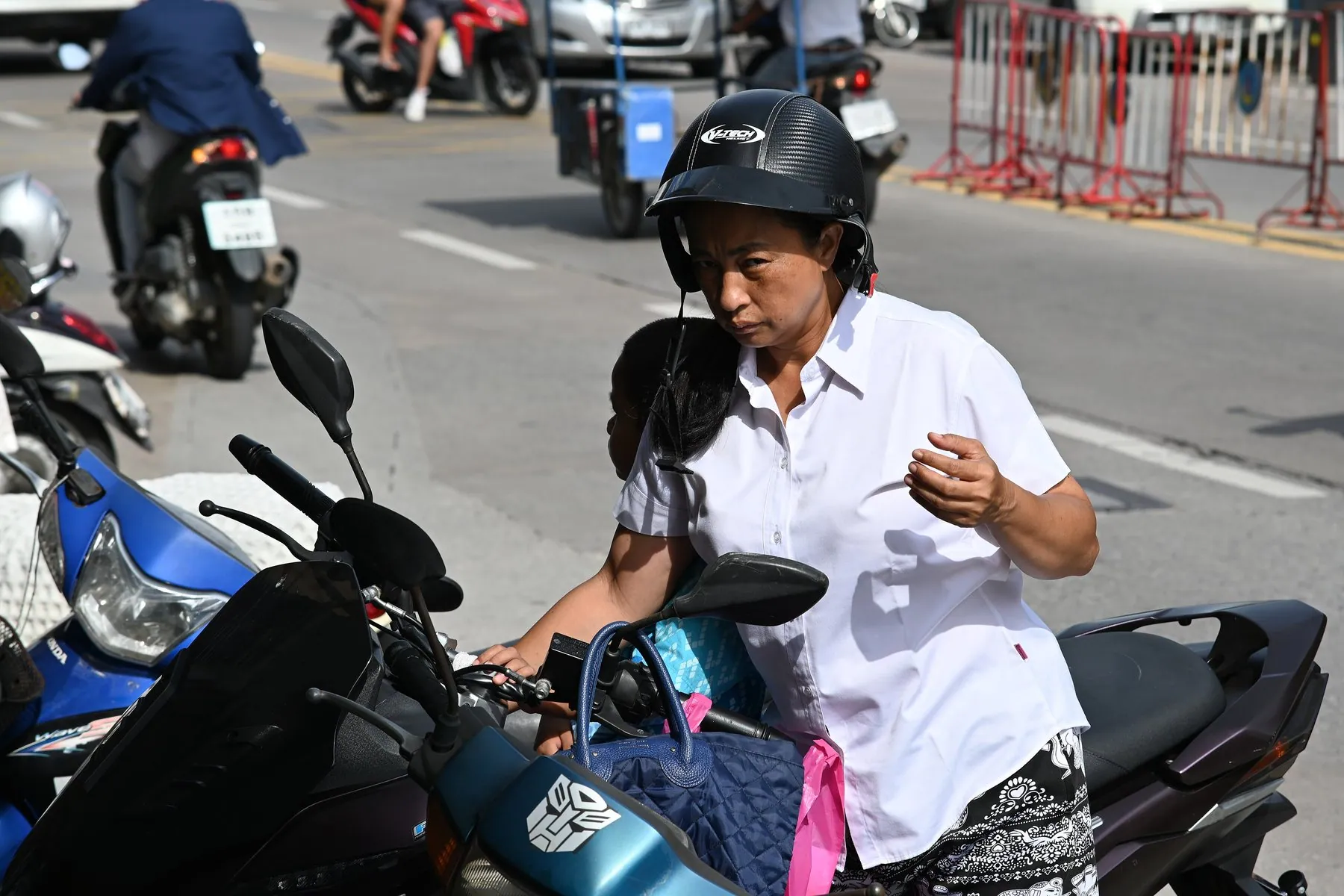
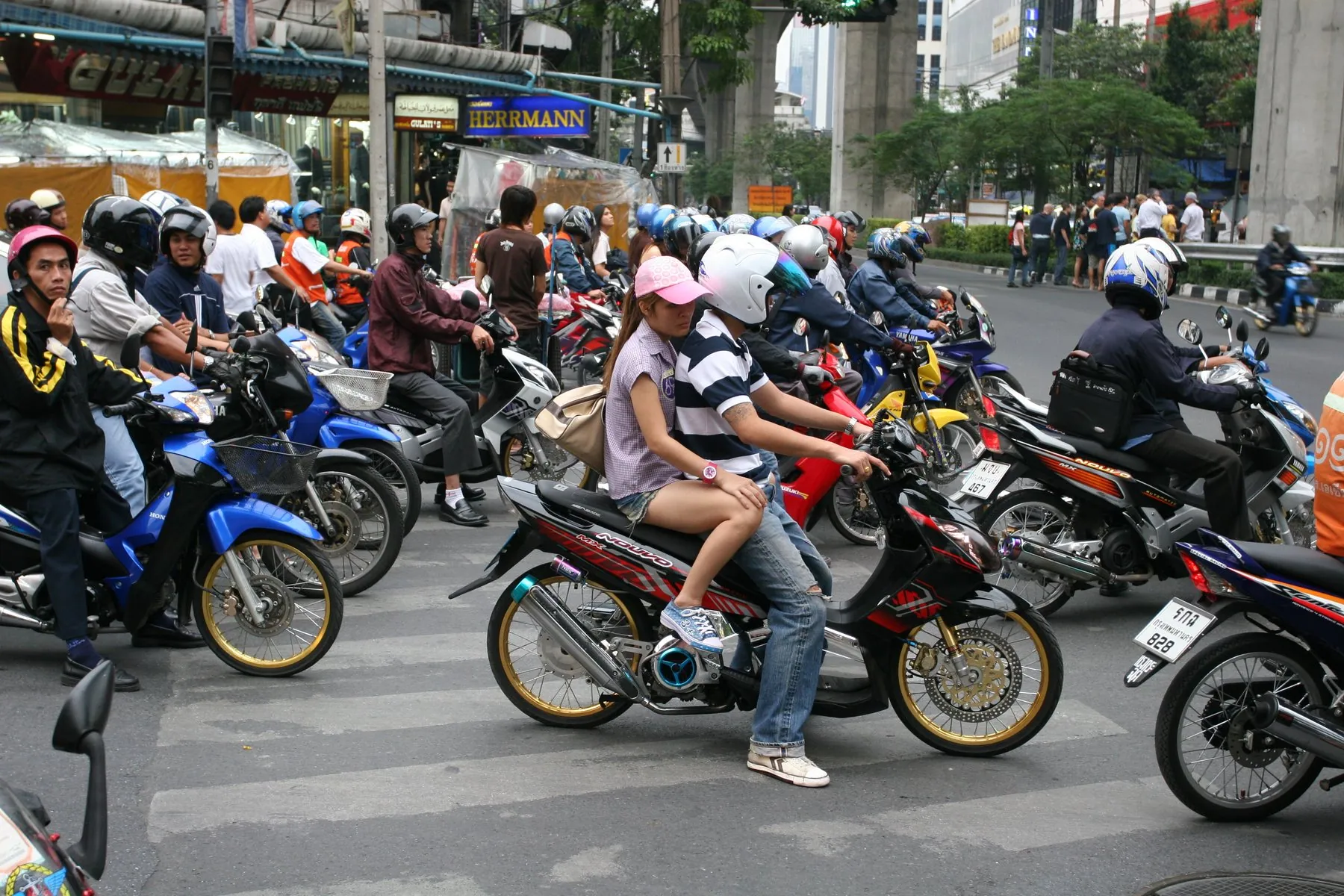
The written rules come first: speed limits, road signs, the U-turn system that replaces most left turns across traffic, and the helmet law. Then the part nobody writes down: who really goes first at a Thai junction, why scooters come at you down a one-way street, and the conventions everyone else on the road is already following.
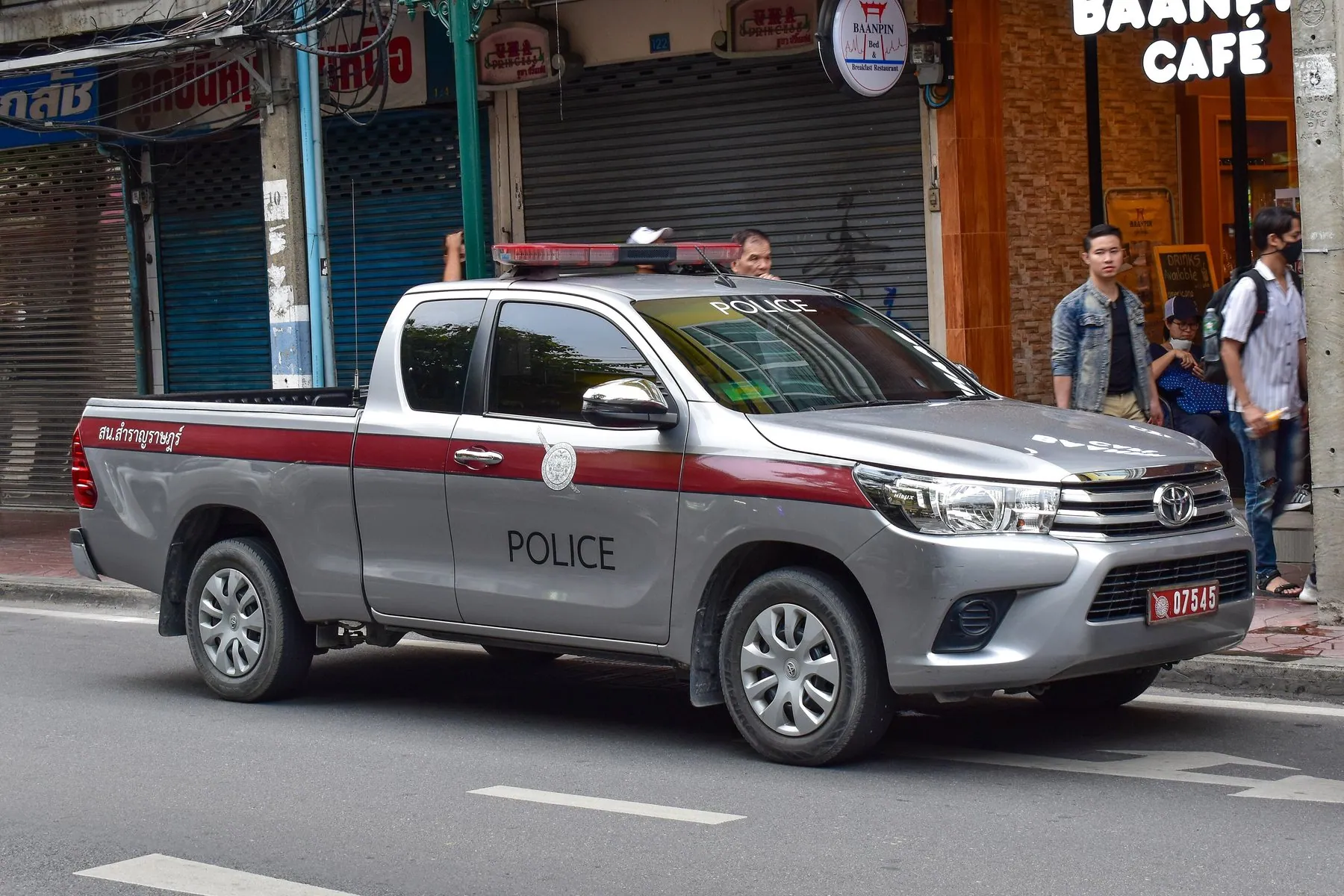
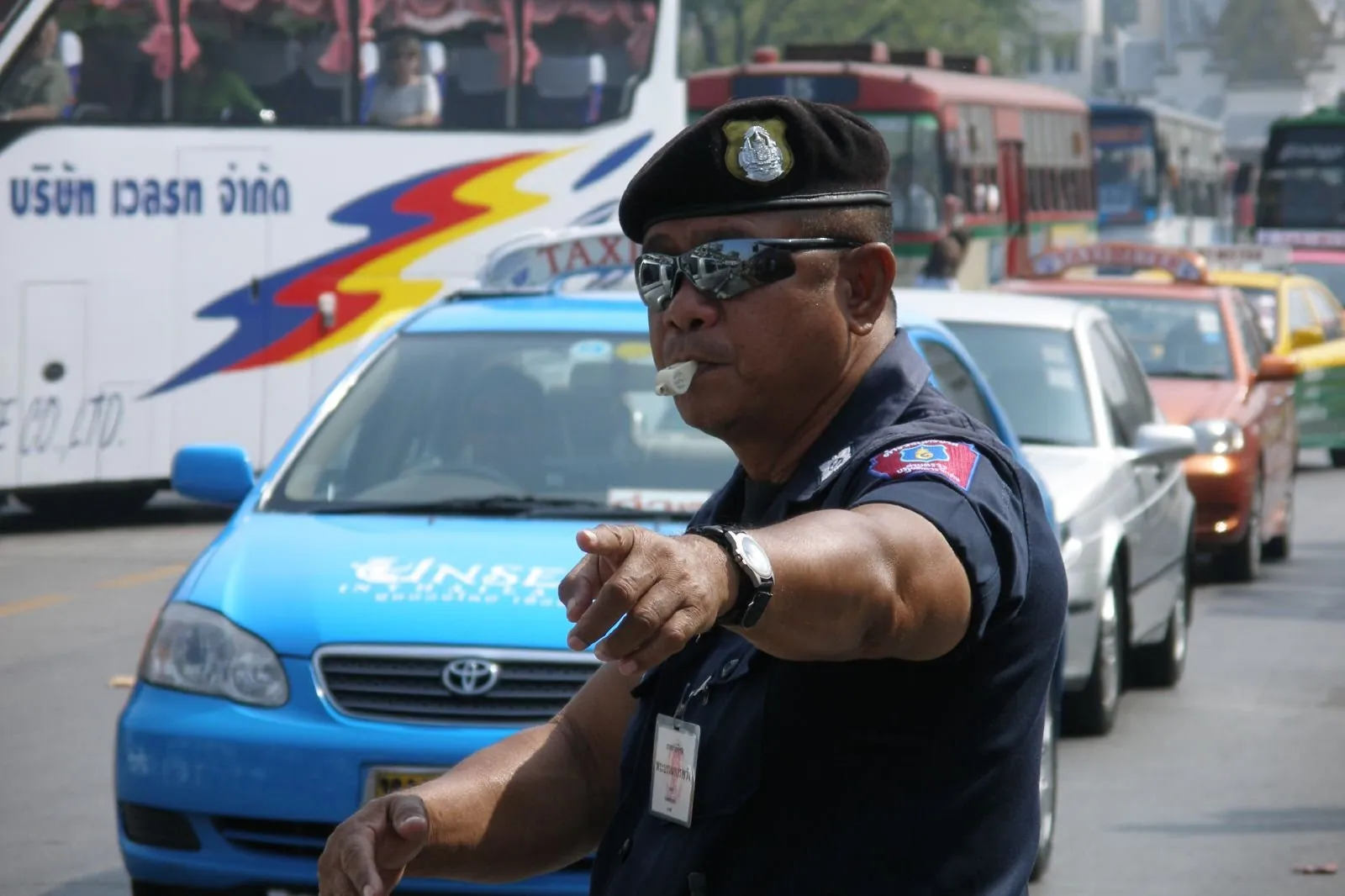
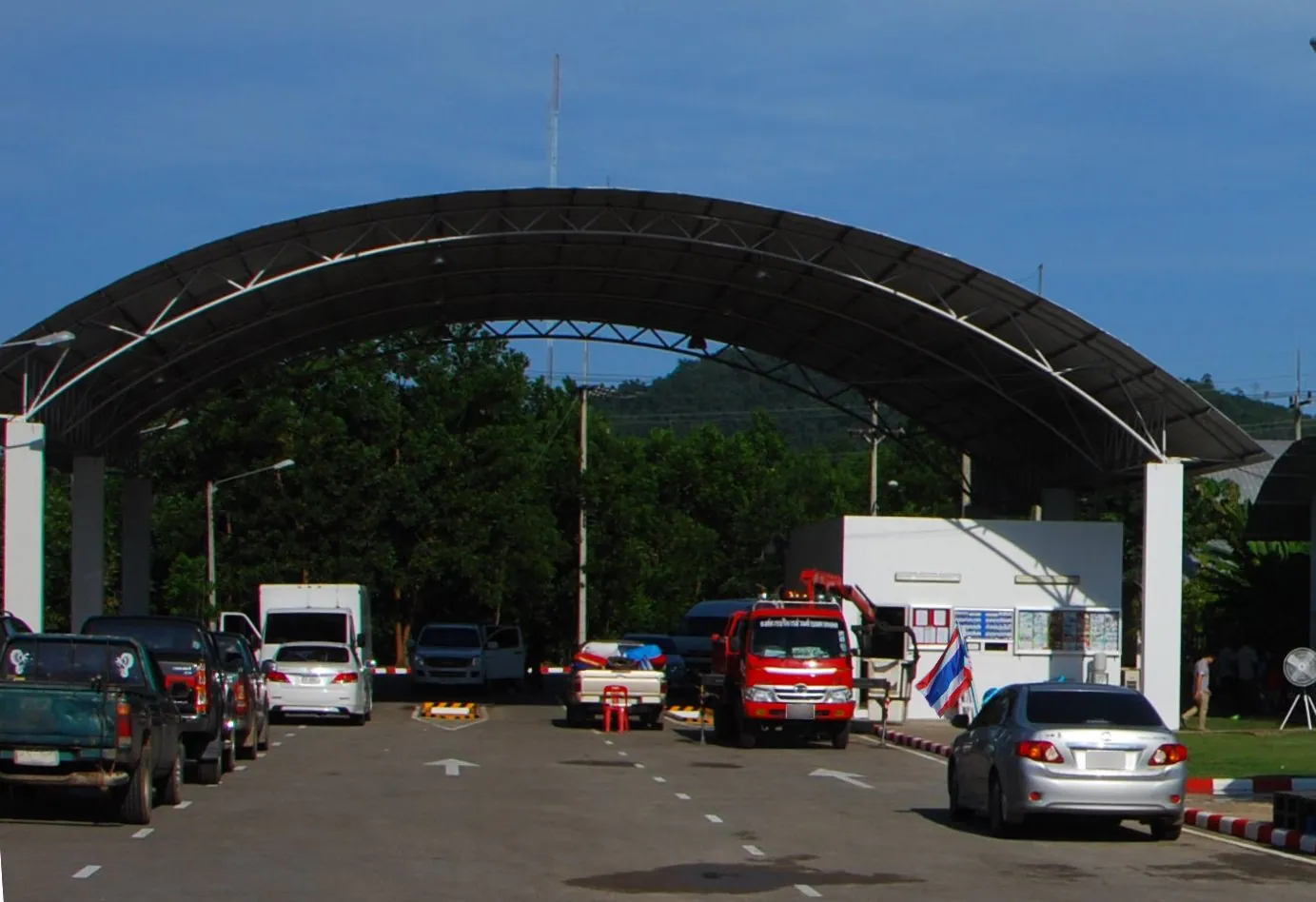
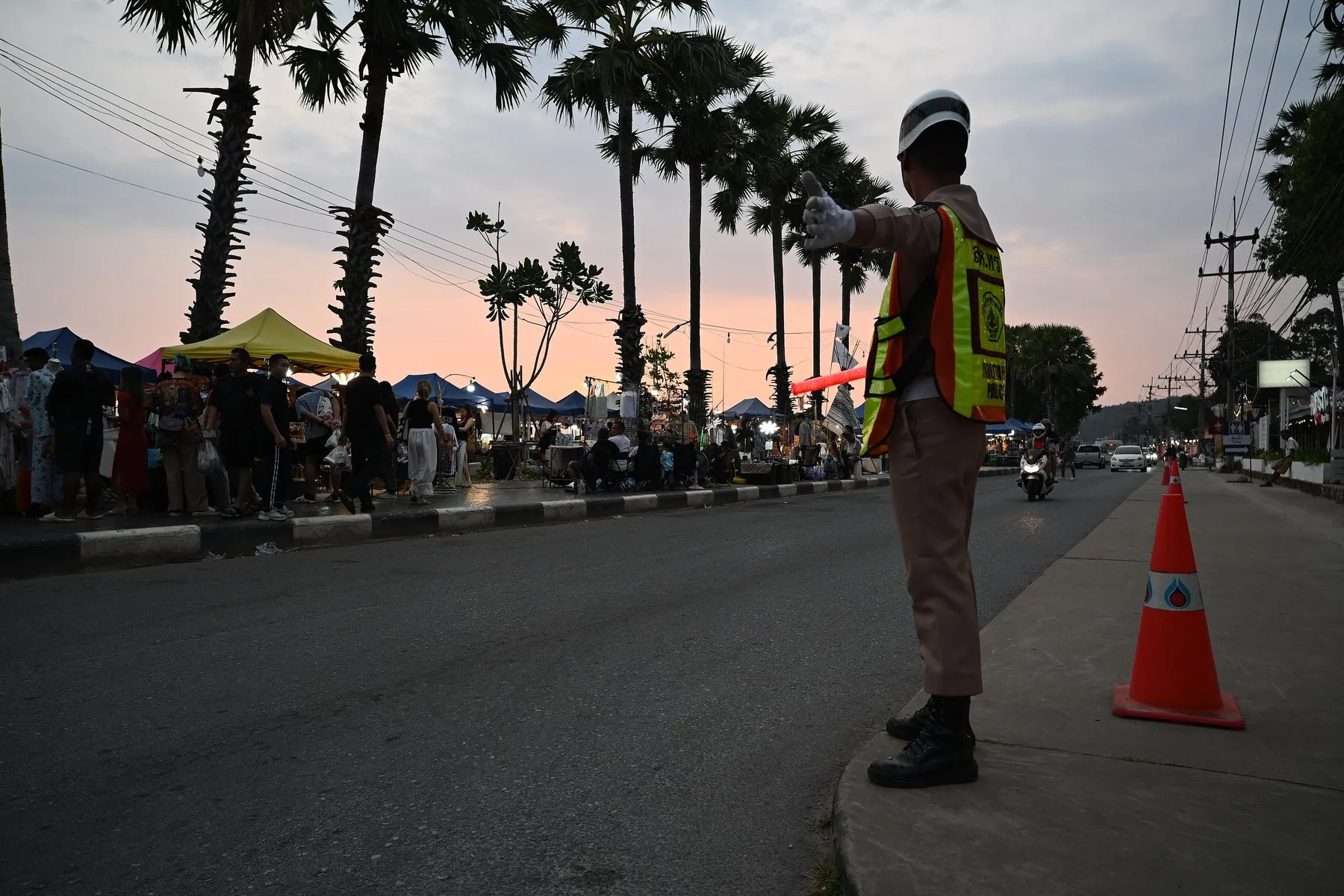
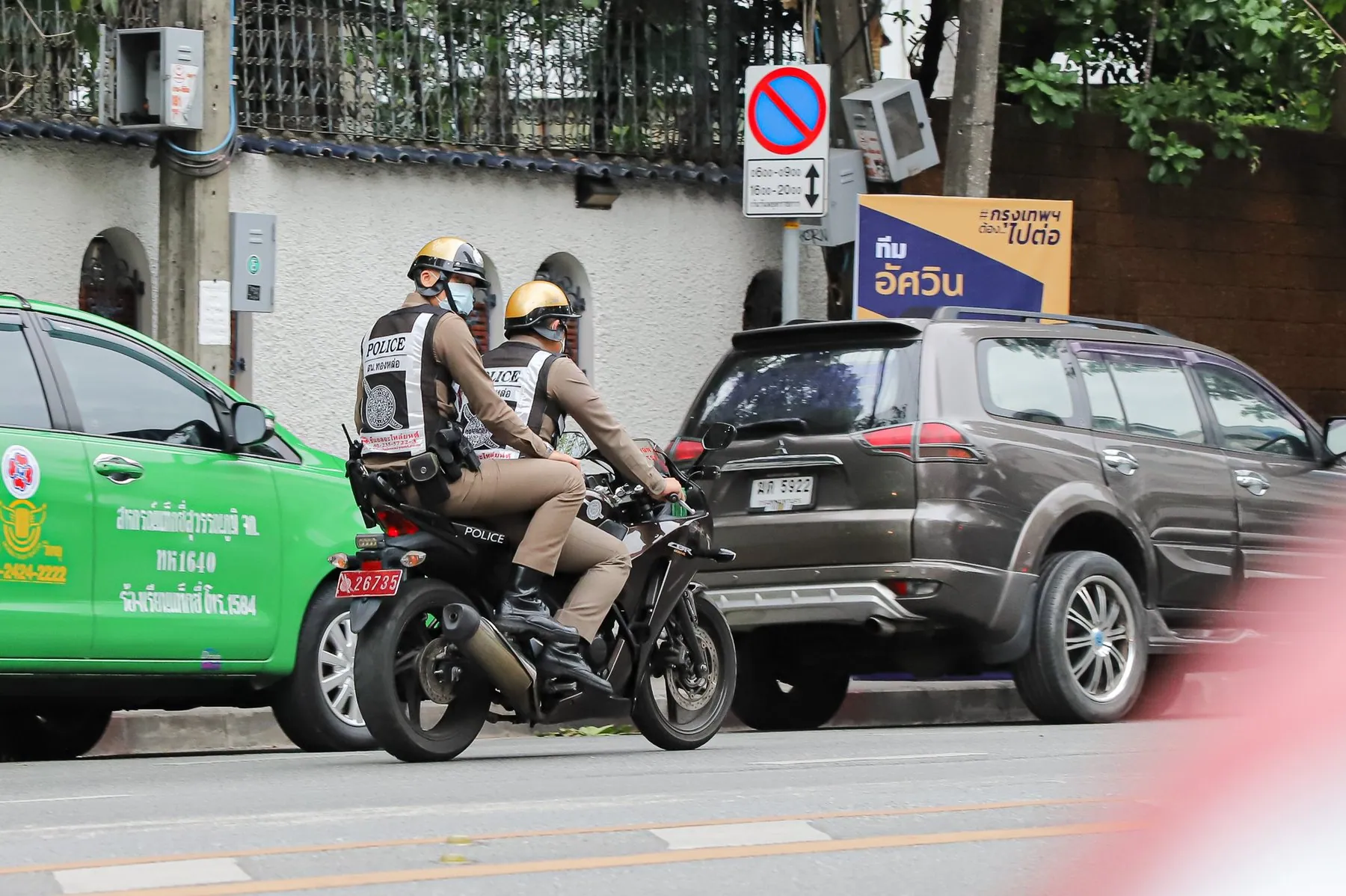
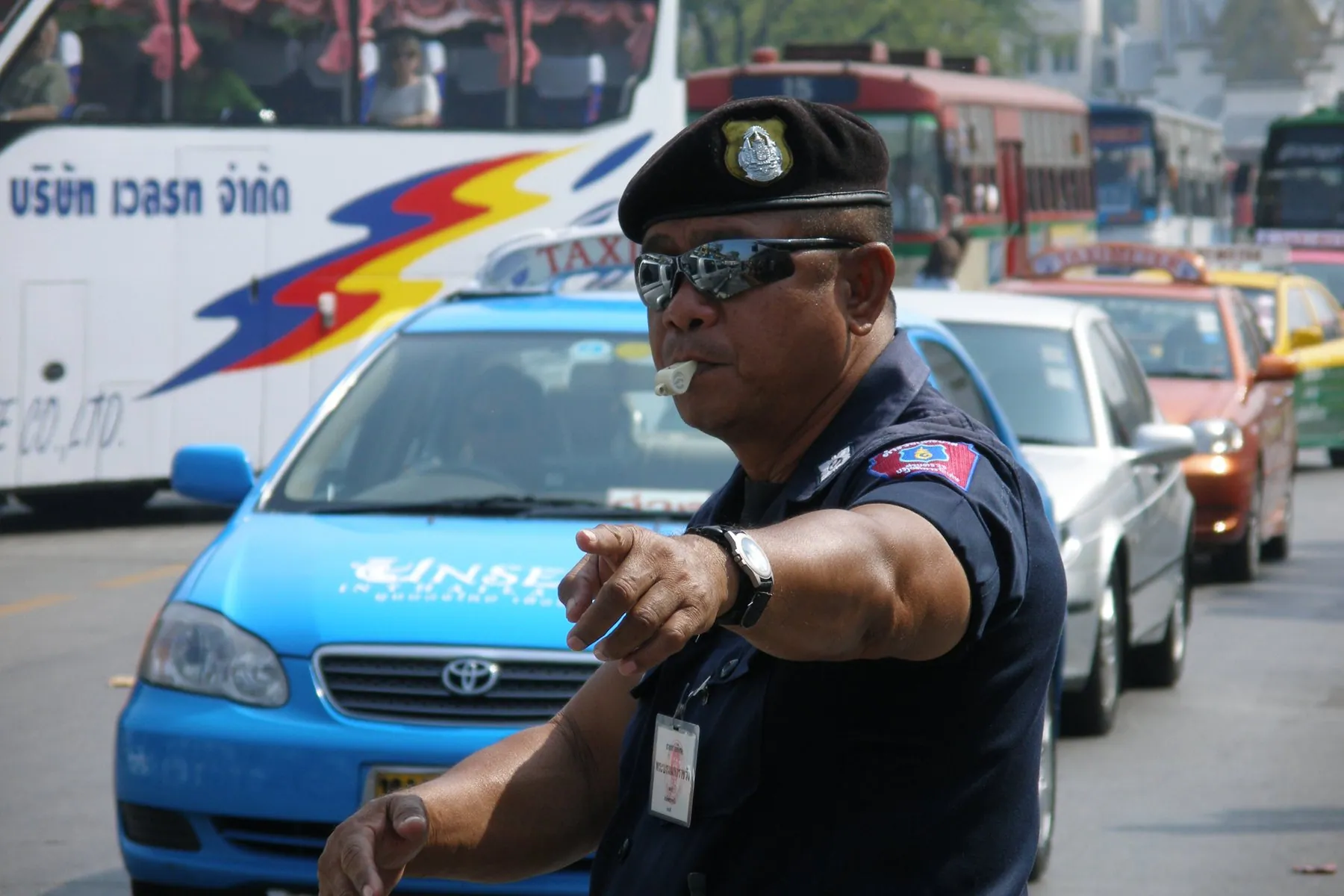
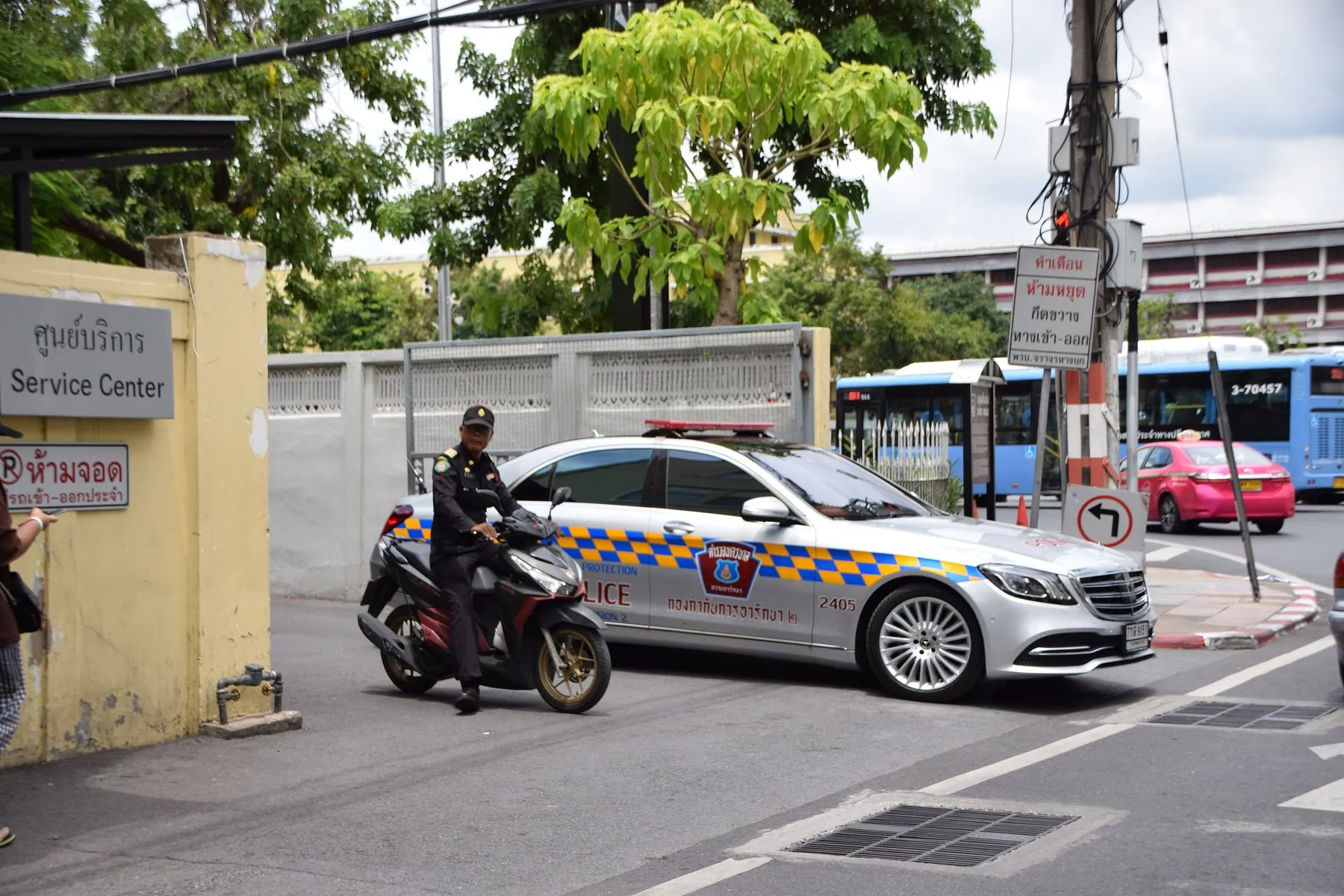
The second half of this section is about the police. What happens at a checkpoint, what officers may ask you for, how a ticket works, where you pay it, and what a legitimate receipt looks like. We cover informal roadside payments too, because a reader who does not know the official process is far more vulnerable than one who does.
Every figure on these pages is traced to the Land Traffic Act, the Royal Thai Police or the Department of Land Transport, and the sources are printed at the foot of each page.