A tidy used 110cc step-through scooter is the cheapest personal transport in Thailand and one of the cheapest anywhere — the bottom of that market sits in the low tens of thousands of baht. A used 125cc or 150cc automatic in good order costs a multiple of that. A ten-year-old Japanese saloon runs into the low hundreds of thousands, and a well-kept used pickup often costs more than the saloon because Thai buyers want pickups.
Those are shapes, not quotes. Thailand has no official used-vehicle price guide, and this site does not print figures it cannot source. What follows is how the market is structured, what moves a price legitimately, and how to establish the going rate for a specific vehicle in an hour on your phone — which is far more useful than a table that will be wrong by next season.
- Cheapest usable transportAn older 110cc step-through
- Where the real prices areThai-language classified portals, not expat groups
- Biggest single price driverModel and year — condition comes second
- Adds valueCurrent tax, current compulsory insurance, a clean book
How to find the real price in one hour
Open the Thai classified portals — the big car marketplaces and the general classified apps — and search for the exact model and year you are being offered. Set the province filter to where you are, then widen it. You will get dozens of listings with photographs, mileage and asking prices. Note the range, note where the cheap ones sit and why, and you now have a number to negotiate against.
Two cautions. Asking prices are not selling prices; expect a gap, larger on private listings that have been up for months. And listings in English, in expat Facebook groups, are systematically higher than the same vehicles listed in Thai, because the audience is smaller and less able to compare. That is not dishonesty, it is a thinner market — but it means an expat group should be your last price check, not your first.
Search in Thai, even if you do not read Thai. Your phone will translate a listing page well enough to read a price, a year and a mileage. The Thai-language market is many times larger than the English one and it is where the price is actually set.
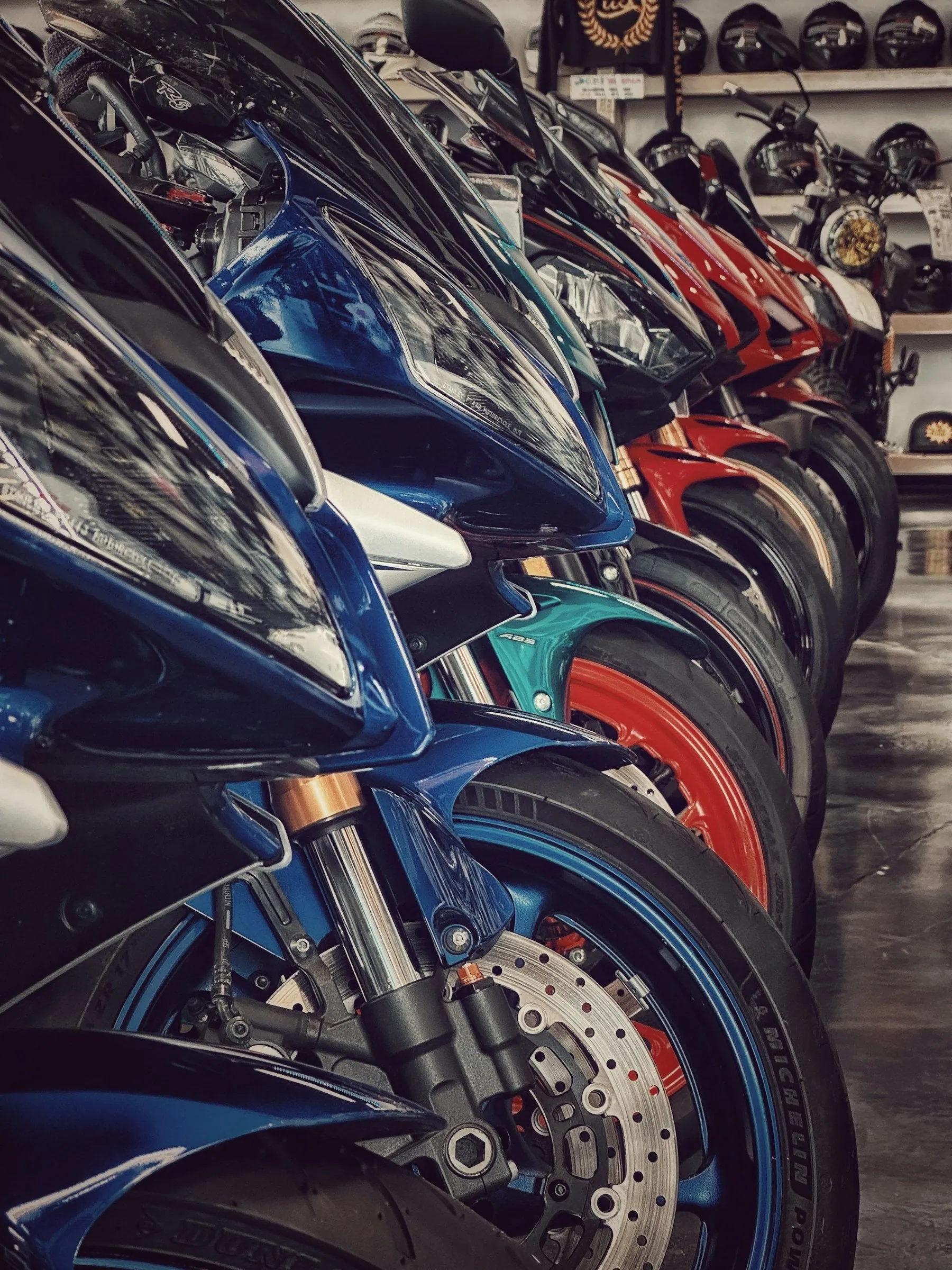
The motorbike market, in tiers
Thai scooter prices sort themselves into four clear tiers, and knowing which tier you are shopping in matters more than knowing an exact figure.
| Tier | Typical machines | What you are buying |
|---|---|---|
| Bottom | Older 110cc step-throughs — Wave, Dream, Fino, Mio | Basic transport, high mileage, often needing tyres and brakes. Cheapest way to be mobile in Thailand. |
| Middle | Recent 110–125cc automatics — Click, Scoopy, Grand Filano | The mainstream buy. Low running costs, easy resale, parts everywhere. |
| Upper | 150cc automatics — PCX, NMAX, Aerox, ADV | Genuinely better on hills and two-up; noticeably more money and slower to sell on. |
| Big bikes | 300cc and above | A different market with a different buyer, different insurance and different licence questions. |
Within a tier, the price spread on identical models is wide, and it is mostly explained by year, mileage, cosmetic condition and where the bike has lived. Coastal and island bikes carry corrosion; upcountry bikes usually do not. If you are choosing between capacities rather than prices, 110cc or 150cc sets out the trade-off, and buying a used motorbike in Thailand is the wider guide.
The car market
The Thai used car market is dominated by Japanese brands and by two body types: one-tonne pickups and small saloons or hatchbacks. Prices for a given model fan out enormously by year — a mid-2010s small saloon and the same model from five years later can differ by a factor of two or more in asking price. Pickups hold value better than passenger cars of the same age. European cars depreciate hardest and cost most to maintain, which is exactly why the cheap ones look cheap.
Three price effects are worth understanding before you negotiate:
- The seven-year line. Once a car passes seven years from first registration it must pass an annual roadworthiness test before its road tax can be renewed. Cars just over that line often carry a small discount.
- The ten-year line. By statute the annual road tax on a private car of up to seven seats is reduced by 50% from year ten onwards. That is a real, permanent running-cost saving on an older car.
- Tax and insurance status. A car with current road tax and a valid compulsory insurance certificate is worth more than the same car with three years of arrears, because the arrears come with a surcharge of 1% per month and are now yours.
Why an older car is cheaper to keep
Section 29(1) of the Motor Vehicle Act B.E. 2522 reduces the annual tax on a private car of up to seven seats after five years from first registration: 10% in year six, 20% in year seven, 30% in year eight, 40% in year nine, and 50% in year ten and every year thereafter. This site does not print the underlying per-cc rate bands, because the schedule annexed to the Act is not published in a form we could verify — get the figure for a specific vehicle from the Department of Land Transport. See Thai road tax and how to pay it.
Why the same vehicle costs different money in different provinces
Bangkok has the deepest stock and the most competition, which generally means keener prices and far more choice. Provincial capitals have thinner markets: fewer cars, less pressure on sellers, and prices that can be either higher (nothing else available) or lower (nobody buying) depending on the model. Tourist islands are their own market, with high prices for bikes and a lot of ex-rental stock.
A vehicle registered in a different province is not worth less in itself, but it does add a step to your paperwork. Read buying a vehicle registered in another Thai province before you factor a long drive into a bargain, and moving a registration to another province if you want local plates afterwards.
How fast they lose value
New vehicles in Thailand behave much as new vehicles do anywhere: the steepest loss is in the first two or three years. Small Japanese scooters and mainstream Japanese cars then settle onto a shallow curve and hold their value stubbornly, because demand for them never dries up and parts are cheap. That is the practical reason to buy something ordinary: an ordinary vehicle costs you little to own because you get most of your money back.
The corollary is that the cheapest vehicles have almost stopped depreciating. A ten-year-old step-through scooter bought sensibly and looked after can often be sold a year later for close to what you paid, which is what makes ownership so much cheaper than renting for a long stay — see buy or rent long-term in Thailand.
The cheap end has a floor made of paperwork. Below a certain price, a lot of what is advertised has no registration book, has a book in someone else's name, or is an ex-rental machine that may never have been properly registered. A bike you cannot transfer into your name cannot be taxed, insured or legally sold, whatever it cost. See avoiding a stolen or cloned vehicle.
What to budget beyond the sticker
On top of the purchase price, allow for the transfer at the land transport office — commonly around ฿1,000–3,000 all-in for a car and considerably less for a motorbike, made up of a small application fee, a transfer fee, an inspection fee and stamp duty at roughly 0.5% of the DLT-assessed value. These fee figures come from consistent Thai commercial sources rather than a schedule we could read directly, so treat them as approximate. Add compulsory insurance, any road tax arrears, voluntary insurance if you want it, and on a used bike, a realistic figure for tyres and brakes.
Frequently asked questions
How much is a used scooter in Thailand?
The bottom of the market — older 110cc step-throughs — sits in the low tens of thousands of baht; recent 125cc automatics cost substantially more, and 150cc machines more again. Check the exact model and year on the Thai classified portals, because that is where the real price is set and it moves.
Are used car prices in Thailand high compared with Europe?
New cars are expensive here relative to income because of the tax stack on vehicles, and that props up used values. Older mainstream Japanese cars nonetheless represent good value, and running costs — tax, insurance, servicing, labour — are low.
Do foreigners pay more?
Often, and mostly for structural reasons rather than deliberate overcharging: English-language listings are a smaller, thinner market. Research the Thai listings first, and take a Thai speaker to the negotiation.
Is it cheaper to buy in Bangkok?
Usually, because the choice is greatest and sellers compete. Weigh the saving against the cost of doing the transfer in a province you do not live in.
Does unpaid road tax reduce the price?
It should, by at least the arrears and the 1%-per-month surcharge. If the tax is more than a year overdue the vehicle also needs to pass an inspection before it can be taxed at all, and after three consecutive unpaid years the registration is suspended.
Will I get my money back when I sell?
On an ordinary Japanese scooter or a mainstream used car, a good share of it, if you sell properly rather than in the week before your flight. See selling your vehicle before you leave Thailand.