The medical certificate for a Thai driving licence is a short clinic visit, not a medical examination. A doctor sees you briefly, signs a form confirming there is nothing about your health that should stop you driving, and you pay a few hundred baht at most. The whole errand takes less time than the queue at the licence office.
The part that matters is the date. The certificate must have been issued within the last 30 days when you present it at the Department of Land Transport, which makes it the last document you should collect rather than the first.
- What it isA doctor's certificate that nothing in your health prevents you driving
- ValidityMust have been issued within the last 30 days
- WhereAny clinic or hospital. Clinics near the licence office do them all day
- CostVaries genuinely — reported anywhere from around a hundred baht to several hundred
- When to get itLast. In the day or two before your appointment
What the appointment involves
Very little. You give your details, a doctor or nurse takes a brief look at you, and the certificate is signed and stamped. Applicants routinely describe being in and out inside twenty minutes at a small clinic.
We were not able to obtain the Department of Land Transport's own specification for the certificate, so we are not going to give you a list of exactly what is checked or what the form asks — it is the sort of detail that varies between clinics and has changed. What is consistent in every account is that this is a formality rather than a hurdle, and that people do not fail it.
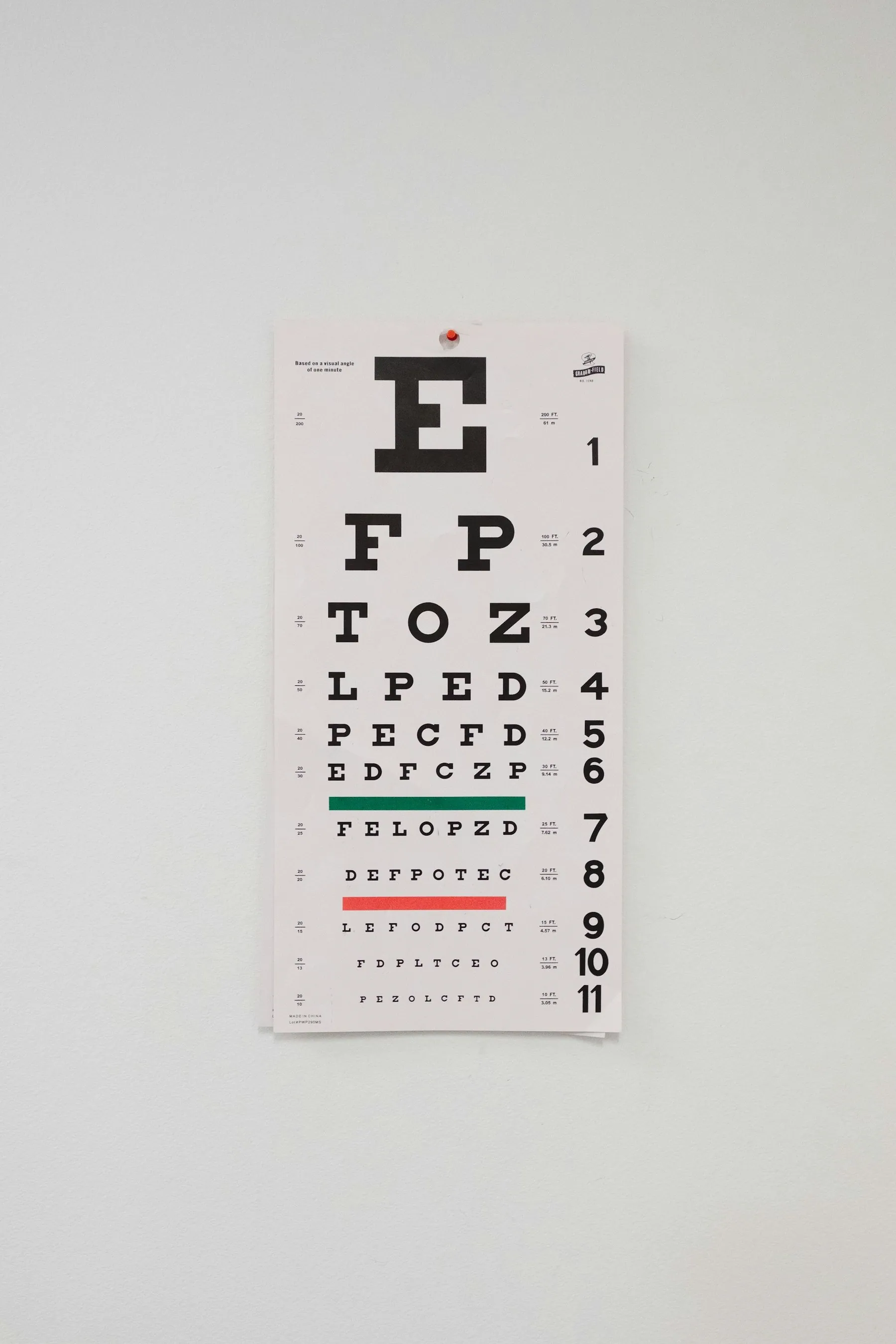
If you have a condition that genuinely bears on driving — significant visual impairment, epilepsy, a heart condition, anything that would be declarable to a licensing authority at home — be straight about it. Thailand's own testing includes colour perception, depth perception and a colour-blindness screen at the licence office anyway, so a vision problem will surface there rather than being avoided at the clinic. The Thai driving licence test covers what those checks involve.
Where to get one
Almost any clinic or hospital will issue one. In practice there are three sensible options:
- A small local clinic. Cheapest and fastest. Clinics within walking distance of a Department of Land Transport office see licence applicants all day and know exactly which form is wanted.
- A public hospital. Cheap, but you queue with everyone else, and the saving over a clinic is not worth the morning.
- A private hospital. Fast, English-speaking, comfortable, and the most expensive. Worth it if you would struggle to explain yourself at a small clinic and you value the certainty.
Ask for it in the form the licence office expects
Say plainly that it is for a driving licence — in Thai, bai khap khi is the phrase for the licence itself, and most clinics near a Department of Land Transport office will understand the request in English. Clinics that do these routinely will produce the right document without prompting. A general "fit to work" certificate issued for some other purpose is a different piece of paper.
What it costs
Genuinely variable. Reported prices run from around a hundred baht at a small clinic to several hundred at a private hospital, and we could not find any published schedule that would let us narrow that. Treat a few hundred baht — roughly £2 to £10 — as the range and do not be surprised by either end of it.
In the context of the whole exercise this is a rounding error. The licence fee itself is currently reported as 205 baht for a temporary car licence and 105 baht for a motorcycle one, and the residence certificate — particularly by the embassy route — will usually cost you more than either.
The 30-day rule, and how to sequence it
Both the medical certificate and the residence certificate must have been issued within the last 30 days. Because the medical certificate takes twenty minutes and the residence certificate can take a week or more, the order to do things in is:
- Book the Smart Queue appointment at
gecc.dlt.go.thso you have a fixed date - Start the residence certificate, timed to land inside 30 days of that date
- Collect the medical certificate in the last few days before the appointment
- Check both dates the night before you go
If your appointment moves, check the dates again. Smart Queue slots do get rescheduled, and a certificate that was comfortably inside the window for the original date can be outside it for the new one. This is the most common reason a well-prepared applicant is turned away at the counter, and the medical certificate — being the cheapest and quickest to replace — is usually the easy fix.
Where it fits in the paperwork
The medical certificate is one of five things the Department of Land Transport asks a foreign applicant for: passport with the visa page and latest entry stamp, a residence certificate, this certificate, photographs and the application form — plus your foreign licence and its translation if you are using one. The complete list is in documents needed for a Thai driving licence, and the sequence of the day itself in how to get a Thai driving licence, step by step.
You will need a fresh one again at renewal. Renewing a Thai driving licence covers what comes back to the office the second time, and how long a Thai driving licence is valid covers when that falls due.
Frequently asked questions
How long is the medical certificate valid?
It must have been issued within the last 30 days when you present it. That is the same window the Department of Land Transport applies to the residence certificate.
What does the doctor actually check?
We could not obtain the Department's own specification, and accounts vary between clinics. What is consistent is that the appointment is brief and that it is treated as a formality. The substantive testing — reaction time, colour perception, depth perception — happens at the licence office, not at the clinic.
Can I get it at a pharmacy?
No. It has to be signed by a doctor at a clinic or hospital. Pharmacies in Thailand do a great deal, but not this.
How much should I pay?
Reported prices run from around a hundred baht to several hundred depending on where you go. There is no published schedule we could verify. A clinic near the licence office will be at the cheap end; a private hospital at the expensive end.
Can I use a certificate from my own doctor at home?
No. The Department of Land Transport wants a Thai medical certificate, issued in Thailand within the last 30 days. A letter from a doctor at home is not the document.
Do I need a new one for a motorbike licence as well as a car licence?
One certificate covers a single application, and applying for both licences at the same visit does not need two. If you come back on a separate day for the second licence, you will need one that is current on that day.
What if I have a health condition?
Declare it. Thailand screens vision and reaction at the licence office regardless, and a certificate obtained by concealing something relevant is a poor foundation for an insurance claim after a crash. If you are unsure how a condition affects your entitlement, ask the doctor rather than guessing.