You will pay for it. In practically every Thai scooter rental, damage to the machine you are riding is the renter's problem — the compulsory insurance on the bike covers injured people, not bodywork, and a hire scooter is very rarely on a policy that would repair it. So the useful question is not whether you pay, but how much, and that is decided in the twenty minutes after the bike goes down rather than at the counter afterwards.
The good news is that the typical drop is cosmetic. A low-speed fall on gravel, sand or a wet car park breaks plastics, snaps a mirror or a lever, scuffs an exhaust shield and scratches paint. Those are cheap parts in Thailand. The gap between what they cost and what a shop asks for them is where the argument happens.
- Who pays for the bikeYou, in almost every scooter rental in Thailand
- Typical damageMirror, lever, indicator lens, plastic panels, paint
- The critical actionPhotograph the bike where it fell, before you move it
- The critical refusalDo not agree a figure with a ferry or a flight waiting
The first two minutes
In order, and it is worth knowing the order before you need it.
- Yourself. Stand up before you look at the bike. Adrenaline hides a lot; check hands, wrists, shoulder, ankle. If anything is not right, that changes everything and you should be reading what to do after a road accident in Thailand instead of this page.
- Traffic. If you are on a carriageway, get yourself to the edge first, the bike second. Thai traffic does not slow for a person standing in the road.
- Photographs. Before you pick it up. This is the step everyone skips and the only one that cannot be repeated.
- The bike. Lift it, put it on the stand, and look at whether it is rideable — bars straight, brakes working, no fuel leak, lights and indicators still functioning.
Photograph the scene, not just the scratch. The bike where it lies, the surface it fell on, the gravel or sand or oil, a wide shot showing where you are, and then close-ups of each damaged part. A claim for a cracked engine casing is much harder to make against a photograph showing the machine on its side on soft ground with intact plastics.
If anyone else is involved, stop reading this page
A solo drop is a commercial matter between you and the shop. Another vehicle, another person, or any injury makes it a road-accident matter with police, insurers and possibly a hospital in it, and the sequence is completely different. Go to accident in a rental car or scooter in Thailand, and note the tourist police number, 1155, which gets you an English-speaking officer.
What actually breaks
Scooters are designed to fall over — they do it in every Thai car park daily — and the damage is concentrated in the same places every time.
| Part | What happens | Notes |
|---|---|---|
| Mirror | Snaps at the stem or the glass cracks | Cheap and universally available; often replaced in ten minutes |
| Brake or clutch lever | Bends or snaps | Cheap. A bent lever is a genuine safety issue, not cosmetic |
| Indicator lens | Cracks or shatters | Small part, easy to source |
| Front apron and side panels | Scuffed, cracked or the mounting tabs break | The biggest single line on most bills; aftermarket panels are far cheaper than original |
| Exhaust heat shield | Scuffed or dented | Cosmetic, and a common addition to a bill |
| Footboard and floor trim | Scraped | Frequently already scraped before you took it |
| Wheel rim | Kerbed or, rarely, buckled | A buckled rim is real damage; a scuffed rim usually is not |
| Handlebar end and switchgear | Scuffed; occasionally a switch stops working | Check the indicators and horn before you ride on |
| Seat | Torn or split at a seam | Re-covering is a common and inexpensive Thai trade |
Aftermarket plastics for the common Thai scooters are inexpensive and every town has a parts shop selling them. A mirror or a lever is usually a couple of hundred baht; an indicator lens similar; a full plastic panel is typically in the several-hundred to low-thousands range depending on the model and whether it is original or aftermarket; a professional respray of one panel is another few hundred to a thousand or so. Those are indicative Thai market ranges rather than a price list, and they move by town and by model — but they are the right order of magnitude, and they are the reason a five-figure demand for a scuffed side panel should be questioned rather than paid.
Should you get it repaired yourself?
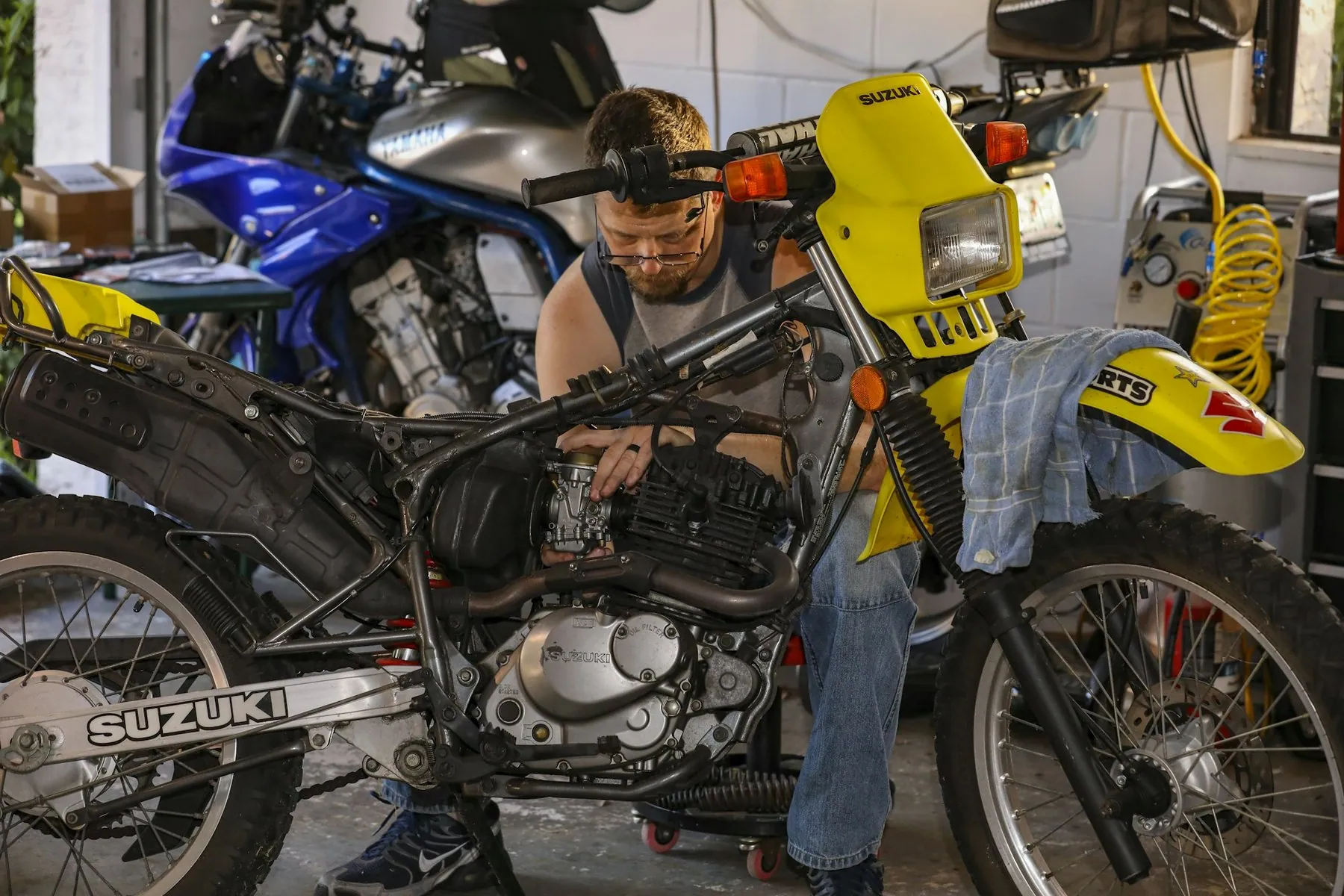
Sometimes, and it is often much cheaper. Any Thai town has a small motorcycle workshop that will replace a mirror and a panel the same day for a fraction of what a rental shop will charge, and returning the bike undamaged ends the conversation entirely.
Read the agreement first. Some rental contracts require the shop to carry out any repair, and turning up with a machine that has been worked on elsewhere can create a bigger argument than the original scratch. If the contract is silent or you cannot read it, message the shop, describe the damage, and ask whether you may have it repaired locally — in writing, so you have the answer.
Telling the shop early is generally the better play in any case. A shop that learns about a scratch from you on the day is dealing with an honest customer; a shop that finds it on a final inspection is dealing with someone who tried to hide it, and prices accordingly.
Back at the shop
Expect an inspection, a pause, and a number. What you do with that number decides the rest.
- Ask for the claim itemised: which parts, which labour, which repair shop.
- Compare it against your handover video — the inspection video exists exactly for this moment — and against the damage you photographed at the scene.
- Ask to see the parts prices, or offer to buy the parts yourself from a local shop.
- Do not agree a figure while a ferry, a bus or an airport transfer is waiting. That timing is not a coincidence.
- If you pay, get a receipt with the shop's name on it and photograph the bike as returned.
Where the number is inflated, or where it starts growing after you have left, you are into a different process: motorbike rental damage claims in Thailand explains how those claims escalate and where they can be interrupted, and the rental damage claim playbook for Thailand is the ordered response. The money mechanics — what a deposit can be taken for, how excess works and what you are actually liable for — sit on rental insurance excess in Thailand.
If the shop is holding your passport, all of the above becomes considerably harder, which is the argument set out in passport as deposit for motorbike hire.
The injuries nobody budgets for
A drop at 20 km/h in shorts and a vest takes skin off in a way that is genuinely nasty in a hot, humid climate — these wounds infect readily and need proper cleaning and dressing, not a plaster and a beer. Get it seen at a clinic; treatment for a graze is cheap and quick almost anywhere in Thailand, and an infected one a week later is neither. Road rash and exhaust burns covers the injuries and the aftercare, and riding a scooter in flip-flops covers how most of them happen.
The exhaust burn is its own category. It happens as the bike is picked up or as a passenger dismounts, it is almost always on the inside of a calf, and it is a deep burn rather than a graze. Treat it as a burn and get it looked at.
Whether any of this is covered depends on your policy and, above all, on whether your licence covered motorcycles at all — see does travel insurance cover driving in Thailand? The full rental picture is on renting a motorbike in Thailand.
Frequently asked questions
Is a dropped scooter covered by the bike's insurance?
Assume not. Compulsory Por Ror Bor cover pays for injured people and never for vehicle damage, and voluntary cover that would repair your own machine in a single-vehicle accident is Class 1, which a hire scooter is very rarely on. Anything else has to be shown to you in writing.
What does a scratched panel usually cost to put right?
Typically hundreds of baht rather than thousands, using aftermarket plastics and a local sprayer. Original parts and a rental shop's own labour cost more. Ask for the claim itemised, and price the same parts at a local shop before you agree anything.
Can I just fix it myself before I hand it back?
Often, and it is frequently cheaper — but check the rental agreement first, because some contracts require the shop to do any repair. Ask in writing if you are unsure.
What if the shop wants far more than the damage is worth?
Ask for an itemised quote and the name of the repair shop, produce your handover video and your photographs from the scene, and do not settle under time pressure. Then work through the rental damage claim playbook.
Do I need to call the police for a solo drop?
Not for a fall with no other party and no injury — it is a commercial matter with the shop. If anyone else is involved, or if anyone is hurt, that changes and you should read accident in a rental car or scooter.
Will my travel insurance pay for the bike?
Travel insurance covers you, not the rented vehicle, and motorcycle cover is conditional in most policies — commonly on holding the right licence and on wearing a helmet. Damage to the machine is a separate product again. Read your own motorcycle clause before you ride, not after.