Two minutes of filming and about a dozen photographs is the entire evidence set that settles a Thai rental damage argument, and it has to exist before you leave the forecourt. Once the vehicle is out of the shop's sight, everything you record is a picture of a vehicle you have been driving, and it proves nothing.
This page is the list. The technique of running a proper walk-round is covered separately for cars at the car rental handover inspection and for bikes at the motorbike rental inspection video; what follows is simply what has to be in your camera roll when you ride or drive away, and why each item is there.
- Time requiredTwo to ten minutes, depending on the vehicle
- Most valuable single itemOne continuous narrated video of the whole vehicle
- Most forgotten itemOdometer and fuel gauge in the same frame
- Non-negotiableBack it up before you leave the forecourt
The video comes first
One unbroken clip beats any number of stills, because it establishes the whole vehicle in a single sequence that nobody can claim was assembled later. Say the date and the shop or branch name out loud at the start. Then walk the vehicle slowly — front, one side, rear, other side — holding on each panel for two seconds, and narrate what you see: "scratch on the rear door, about thirty centimetres", "kerb mark on the front near-side wheel".
Finish by panning across the shopfront and its signage, so the clip ties itself to a place. Keep filming while you do the interior and the instruments if the vehicle has them.
The photographs, in order
- Four corners, then every panel. Stand back far enough that the whole vehicle is in frame for the corners, then move in for panels.
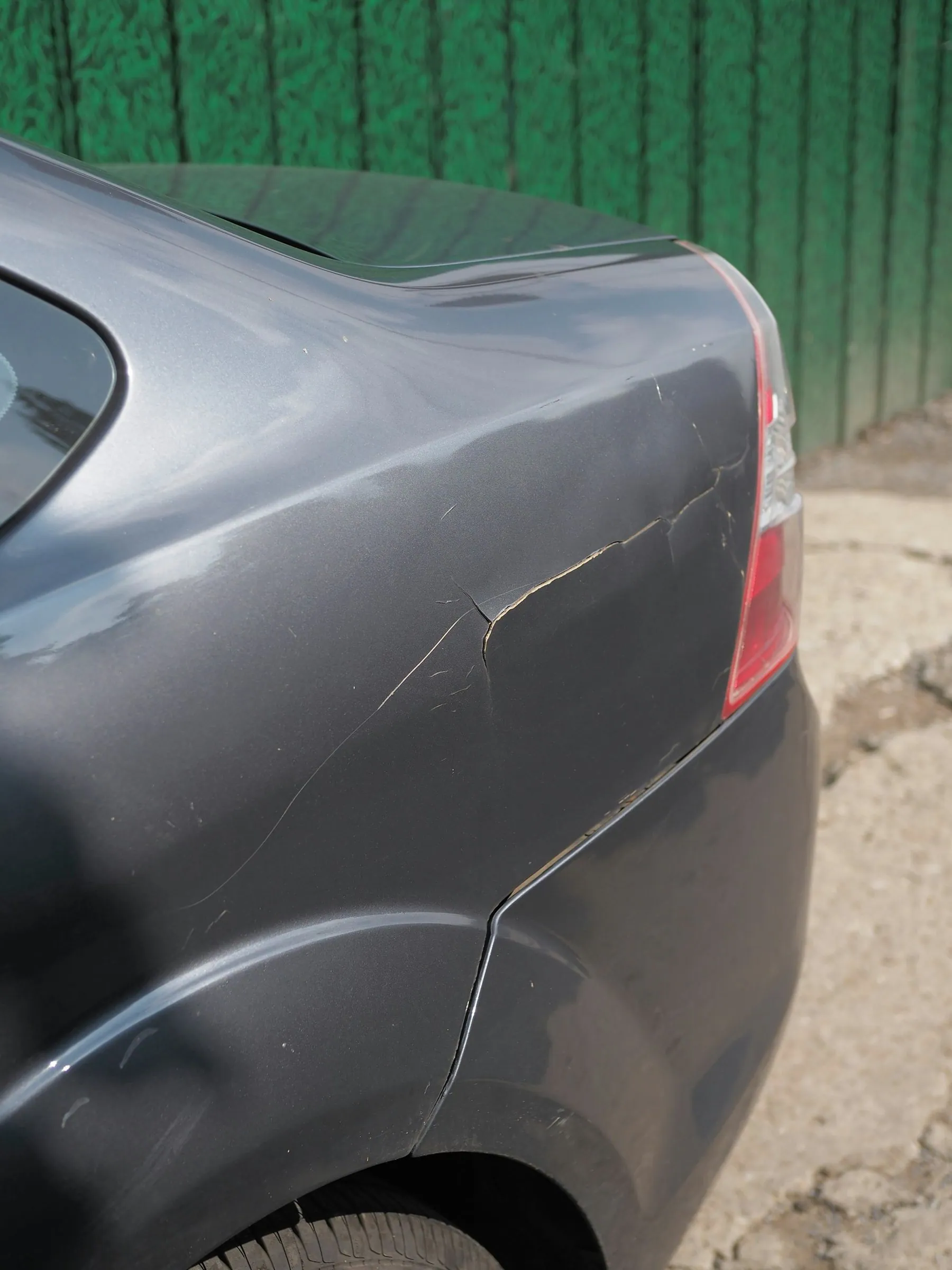
- Every existing mark, twice. Once close enough to see it, once far enough back to show where it is. A close-up of a scratch with no context proves the scratch existed but not where — which is exactly the argument you will be having.
- All four wheels, including the inside face of the rim. Kerbing is the most commonly charged damage on a Thai hire car, and wheels sit outside the damage waiver on Avis Thailand's published terms.
- Tyre tread and both sidewalls. Same reason. A worn or already-cut tyre is a bill waiting for you.
- The windscreen at an angle, with light behind it. Chips are invisible face-on and glass is excluded from most waivers.
- The roof. Stand on the sill if you have to. Roof damage is common in Thailand and almost never on anyone's diagram.
- Underneath, at each corner. Squat and shoot along the sill and under the bumpers. Undercarriage damage is a standard exclusion and an expensive one.
- The interior. Seats, headlining, dashboard trim, boot floor. Burns, tears and stains are all chargeable, and interior damage is specifically outside Avis Thailand's published waiver cover.
- Odometer and fuel gauge in one frame, ignition on. This single image settles two entirely separate arguments — mileage caps and the fuel policy.
- The completed damage sheet, showing their marks and any you added, with initials visible.
- Every page of the signed agreement, front and back, including the small print you have not read.
- The windscreen stickers and the registration document if it is in the vehicle. An expired tax or compulsory-insurance sticker is the company's failure and your roadside problem.
- The shopfront, its name, and its phone number. Small local operators change names; a photo of the sign and the card is worth having.
Back it up before you leave the forecourt. Turn on automatic cloud upload for the album, or send the video to yourself on a messaging app so a copy exists on a server. Phones in Thailand get stolen, dropped and rained on, and a handover video that only ever existed on a phone lost on day three protects nobody.
On a scooter, add these
Bike damage claims are itemised in small parts, and small parts are where the money is. Photograph each of them individually rather than trusting a general shot of the machine.
- Both mirrors, including the stems and the mountings.
- Both brake levers, and the switchgear.
- Every plastic panel, especially the lower fairing edges and the underside lips, where old scuffs hide.
- The exhaust and its heat shield, and the footboards or pegs.
- The seat, top and edges, and the seat lock.
- Lights, indicators and the horn — film them working.
- Tyres and brakes, which are a safety matter first: bald tyres and spongy brakes are a reason to refuse the machine, not just to photograph it.
- The helmet you were given, and the lock and key set, including how many keys there are.
What each item is actually for
| Evidence | The argument it settles |
|---|---|
| Narrated video with spoken date | "That damage is new" |
| Two shots per mark | "That is a different scratch" |
| Wheels and tyres | The most commonly charged, and waiver-excluded, item |
| Odometer and fuel in one frame | Mileage caps and refuelling charges |
| The signed damage sheet | "You agreed the car was undamaged" |
| Every page of the agreement | Excess, deposit terms and exclusions, weeks later |
| Backed-up copies | Everything, if the phone is lost |
Difficult conditions
Dark. Use the torch, film slowly, and write on the damage sheet that the vehicle was collected in darkness and the bodywork could not be fully verified. Photograph that annotation. Re-inspect in daylight the next morning and message any new findings to the branch, so the message is timestamped.
Dirty or freshly washed. Dirt hides scratches; so does water, which sits in shallow marks and disguises them. If the vehicle is either, say so out loud on the video and note it on the sheet.
Rushed. "I will be two minutes" is usually enough. If a shop genuinely refuses to let you photograph the vehicle or the agreement, do not take it. Resistance to a record being made is itself the most useful information you will get that day — see rental scams in Thailand and how to spot them.
Do it again at the return
The return set matters nearly as much, and almost nobody takes it. Repeat the walk-round with a member of staff present and in shot, photograph the odometer and fuel gauge again, and get either the deposit released or a written statement of what is being withheld and why. A charge that appears on your card three weeks later is answered by that set. Returning a hire car in Thailand and rental deposits in Thailand explained cover the rest of the handback.
Keep everything for at least three months. Rental charges regularly land after the renter has flown home, and both a card issuer and an excess insurer will ask for exactly this material. One UK excess policy wording we read specifically asks for photographs of the damage "and images of the vehicle before the incident if available" — which is this set, and no other. See excess insurance bought before you travel.
The printable companion, with the whole handover in a form you can tick off at the counter, is the rental handover checklist. If a demand has already landed, go to the rental damage claim playbook for Thailand.
Frequently asked questions
Is a video or are photographs better?
Both, but the video first. A continuous narrated clip establishes the whole vehicle in one unbroken sequence, which is hard to argue with; individual photographs prove specific marks. If you only do one thing, film.
Do phone timestamps count as proof?
They help, and they are much stronger once the file has been uploaded to a cloud service or sent through a messaging app, because that creates a record outside the device. Back everything up the same day.
What if the shop will not let me photograph the vehicle?
Do not rent from them. There is another operator nearby almost everywhere in Thailand, and a refusal to allow a record tells you how the return is likely to go.
How many photographs is enough?
For a car, the video plus roughly fifteen to twenty stills. For a scooter, the video plus ten or so, concentrating on mirrors, levers, panel edges and the exhaust. Quality of coverage matters more than count.
Should I photograph the staff member?
Film the vehicle, not people, at pickup. At the return it is reasonable and useful to have a member of staff in shot while they inspect the vehicle with you — say what you are doing rather than filming covertly.
Does this matter if I bought zero-excess cover?
Yes, and arguably more. Zero-excess products still exclude tyres, wheels, glass, interior damage, keys and wrong fuel, and those are precisely the items that get charged. Photographs are the only defence against being billed for an exclusion that was already there.