Return the car in daylight, with a member of staff present, and film the walk-round with them in shot. Photograph the odometer and the fuel gauge. Then get either the deposit released in front of you or a written statement of exactly what is being withheld and why, before you leave the forecourt. Those four steps prevent almost every rental dispute that arises after the fact in Thailand.
The reason they matter is timing. A charge that appears on your card two weeks after you flew home is a charge you will be arguing about from six thousand miles away, against a company holding a signed inspection sheet and its own photographs. Everything you do in the last ten minutes of the rental is aimed at making sure that conversation never starts.
- ReturnIn daylight, with staff present, filmed
- Late returnAvis Thailand charges an additional full day beyond the agreed time or outside station hours
- DepositA card hold is released by your issuer, not by the rental desk — allow days, not minutes
- Keep everythingUntil the hold has cleared and a full billing cycle has passed
Before you set off for the return
Two things are much easier to do half an hour early than at the drop-off point.
Fuel. On a full-to-full policy, fill up within a few kilometres of the return branch and keep the receipt — a timestamped receipt from twenty minutes before you handed the keys over ends the fuel question completely. Forecourts near airport return roads are not always where the map thinks, so look for one on the approach. Car rental fuel policies in Thailand explained covers what a refuelling charge costs you.
The car's contents. Check the boot floor for the jack, brace and spare wheel, check the glovebox for the registration copy, and take out everything of yours — sunglasses, chargers, the toll change in the door pocket, the child seat. Items left in a returned hire car here are not reliably recoverable.
Then allow more time than feels necessary: airport returns involve finding the right level of a large car park and, in high season, a queue at the desk.
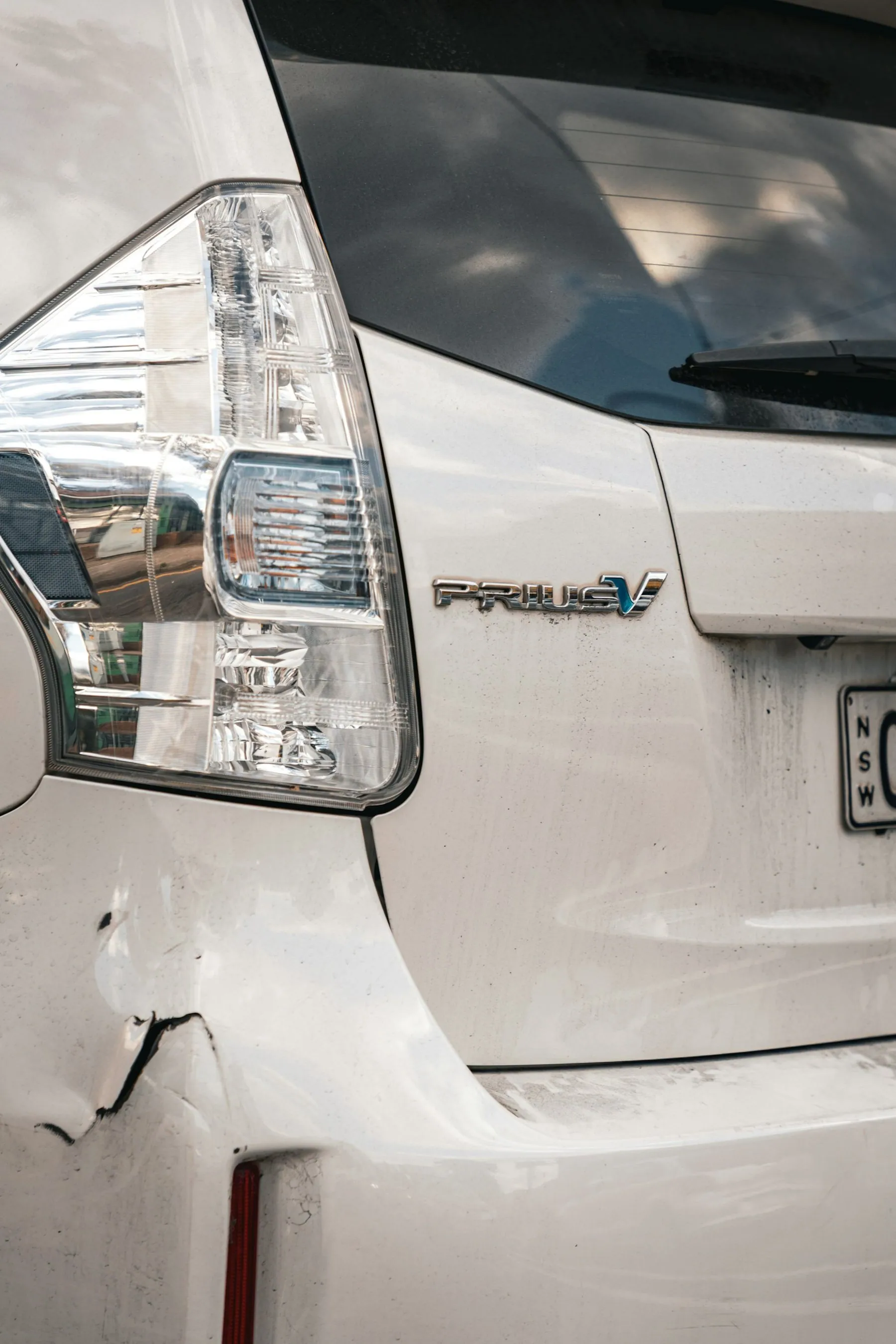
The return inspection
Repeat the handover procedure in reverse, with one addition: get a member of staff into the video. A recording showing the inspecting employee walking round the car with you, at a recognisable location, on a date you stated aloud, is close to unarguable.
- Film a slow, continuous walk-round, narrating what you see, including the roof and all four wheels.
- Photograph the odometer and the fuel gauge in one frame with the ignition on.
- Photograph the car parked in the return bay with something identifying the location — the branch sign, the terminal, the car park level number.
- Ask the inspector to confirm the car is accepted without damage, and get that on the paperwork or in the video.
- Get a return receipt or a closed rental agreement showing the final charges. Photograph it.
- Get the deposit position in writing — released, or withheld with a stated reason and amount.
Do not leave without something in writing about the deposit. "It will go back automatically" is not a statement you can produce later. Ask for the return document showing a nil balance, or a written note of what is being held and why. A company that will not put it on paper is telling you what to expect.
Out-of-hours drop-offs
This is where post-rental charges are born. Nobody inspects the car with you, the company's record of its condition is created without you present, and the first you hear about a mark is an email with a photograph you cannot date.
If you can avoid an out-of-hours return, avoid it. Where you cannot, the video is the only evidence you will have: film the car in the bay, all four sides and the roof, the odometer and fuel gauge, and the key going into the drop box, saying the date, time and location out loud. Send the file to yourself immediately so it carries a server timestamp rather than only a phone one.
Check the charge, too. Avis Thailand publishes that a return outside station business hours attracts an additional full day's rental — which is worth knowing before you plan a 05:00 drop for a dawn flight. Budget Thailand's prepaid voucher terms, by contrast, allow four hours' free late return within office hours. These are company-specific rules, not a national standard, so read yours.
When the deposit actually comes back
This depends on what the deposit was.
A credit-card pre-authorisation is not money the rental company holds; it is an instruction to your issuer to block funds. The company releases it, but the block disappears only when your issuer processes that release, and issuers differ enormously — some clear it in a couple of days, some take a full billing cycle. The rental desk cannot speed that up; phone your card issuer instead. Credit card holds on Thai car rentals explains the mechanics.
A cash deposit should come back at the counter, in cash, at the moment you hand over the keys. If it does not, do not leave without a written receipt stating the amount held and the reason. Cash is the form of security with the least protection and the fewest routes to recovery, which is the main argument against it — see rental deposits in Thailand explained.
Do not close down the evidence too early. Keep the contract, the handover video, the return video, the fuel receipt and the return document until the hold has cleared and one full card statement has come and gone. Back them up somewhere that is not your phone — a cloud folder or an email to yourself. Charges in Thailand routinely arrive weeks after the rental ended.
If a charge appears after you have gone home
It happens, and not always dishonestly — a toll picked up by a camera, a traffic fine served on the registered keeper, a genuine piece of damage found on a proper inspection. Work through it in order rather than reacting.
Ask what it is for. Request an itemised explanation with photographs, the date and time they were taken, and a repair quotation or invoice. A charge with no supporting document is not a charge you have to accept.
Compare it against your own record. This is the moment the handover and return videos earn their keep. If the mark is visible in your collection video, send that segment with a timestamp and ask for the charge to be withdrawn.
Check whether it is a fine rather than damage. Speed camera and toll notices are served on the vehicle's registered keeper, which is the rental company, and are then passed to you with an administration fee. That is legitimate; the fee should be disclosed in the contract. Traffic fines in Thailand and speed cameras in Thailand explain how tickets find you.
Escalate in the right order. The company first, in writing, with a deadline; then your card issuer, the consumer authorities or the tourist police. Disputing a rental charge in Thailand sets out who has authority over what, and the rental damage claim playbook gives the sequence for a damage demand.
One-way and off-site returns
If you are dropping at a different branch, ask in advance whether it inspects on arrival or forwards the car elsewhere to be checked. A car inspected two days later, somewhere you never visited, is exactly what your return video exists for. The same applies to off-site operators: film the car in the bay before you get on the shuttle. One-way car rental in Thailand covers the drop-off side.
The whole transaction, from booking to handing back the keys, is set out in renting a car in Thailand, and the collection half of this article is in the car rental handover inspection with a printable version at the rental handover checklist.
Frequently asked questions
How long does a Thai rental deposit take to come back?
A cash deposit should be handed back at the counter. A card pre-authorisation is released by the rental company but cleared by your card issuer, which commonly takes several days and sometimes a full billing cycle. If it is slow, contact your issuer rather than the rental desk.
What happens if I return a hire car late in Thailand?
It depends on the company. Avis Thailand publishes that a return after the agreed time or outside station hours attracts an additional full day's rental; Budget's prepaid voucher terms allow four hours' grace within office hours. Check yours before you plan a tight return.
Is an out-of-hours drop-off safe?
It is the most common origin of a post-rental charge, because nobody inspects the car with you. If you must do it, film everything, include the location and the key going into the box, and send the file to yourself immediately.
The rental company charged my card weeks later. What do I do?
Ask for an itemised explanation with dated photographs and a repair invoice, compare it against your own handover video, and put your response in writing. If it is not resolved, your card issuer and the consumer authorities are the next steps — see disputing a rental charge in Thailand.
Do I have to be present when the car is inspected?
You have no right to insist, but you should arrange it wherever possible, and it is the single strongest reason to return during staffed hours. An inspection you attended, and filmed, rarely produces a surprise afterwards.
Should I clean the car before returning it?
A quick wash is worth it if the car is genuinely filthy, partly because some contracts include a cleaning charge and partly because dirt hides scratches — including scratches you did not cause but will be asked about. Do not have it valeted; it will not save you money.
What if I find damage on the car that I did not cause?
Report it as soon as you find it rather than at the return, so that there is a dated message from you predating the inspection. Then check your collection photographs — a mark you did not notice at the counter is very often already in the video.